





The Problem with Pavement
Think about a typical city street during a storm. Water sheets across asphalt and concrete, picking up oil, litter, and other pollutants. This cocktail of runoff rushes into storm drains, which were engineered for a different era. In older cities, these
drains often combine with raw sewage in a single pipe. During a heavy deluge, these combined systems are easily overwhelmed, leading to overflows that discharge polluted water directly into local rivers and lakes. This is the legacy of “gray infrastructure”—a century-old system of pipes, drains, and tunnels designed to fight water. The problem is that in the face of more frequent and intense storms driven by climate change, this fight is one that cities are increasingly losing, resulting in flash floods, basement backups, and ecological damage.
Turning Streets into Sponges
Enter green infrastructure. Instead of whisking water away, the goal is to manage it where it falls. The core idea is to mimic nature’s own water cycle by using soil, plants, and permeable materials to absorb, slow, and filter rainwater. Imagine the city acting less like a waterproof shell and more like a giant sponge. This approach, sometimes called Low Impact Development (LID), treats stormwater not as a waste product to be disposed of, but as a resource to be managed. By decentralizing stormwater control, cities can reduce the strain on their aging sewer systems, prevent flooding, and recharge local groundwater supplies, all while making the urban landscape more resilient.
The Green Infrastructure Toolkit
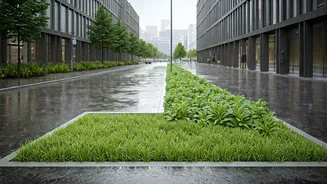
So what do these “greener streets” actually look like? You may have already walked past them without realizing. One of the most common features is the bioswale—essentially, a vegetated, shallow ditch designed to slow water down and allow it to soak into the ground. They often look like long, narrow gardens running alongside sidewalks or in street medians. Then there are rain gardens, which are bowl-shaped gardens in public spaces or private yards that collect runoff from roofs and pavement. In more heavily trafficked areas, cities are experimenting with permeable pavement. This special type of concrete or asphalt allows water to pass through its porous surface into a stone layer below, filtering it before it returns to the soil. Other tools include green roofs that absorb rain, and planter boxes that intercept water before it hits the sidewalk.
From Portland to Philadelphia
This isn’t just a theoretical concept; it's a nationwide movement. Portland, Oregon, has been a pioneer for decades, with thousands of green street facilities integrated into its neighborhoods. Their work has shown that these systems can effectively manage the vast majority of the city's annual rainfall. On the East Coast, Philadelphia is making huge investments through its ambitious “Green City, Clean Waters” plan, a 25-year initiative to transform the city's landscape to manage stormwater and protect its rivers. Chicago is famous for its Green Alleys program, which replaces traditional alley pavement with permeable surfaces to reduce flooding in dense urban blocks. From Seattle to Milwaukee, cities are finding that green infrastructure is a more cost-effective and adaptable solution than building bigger pipes.
Benefits Beyond the Rainy Day
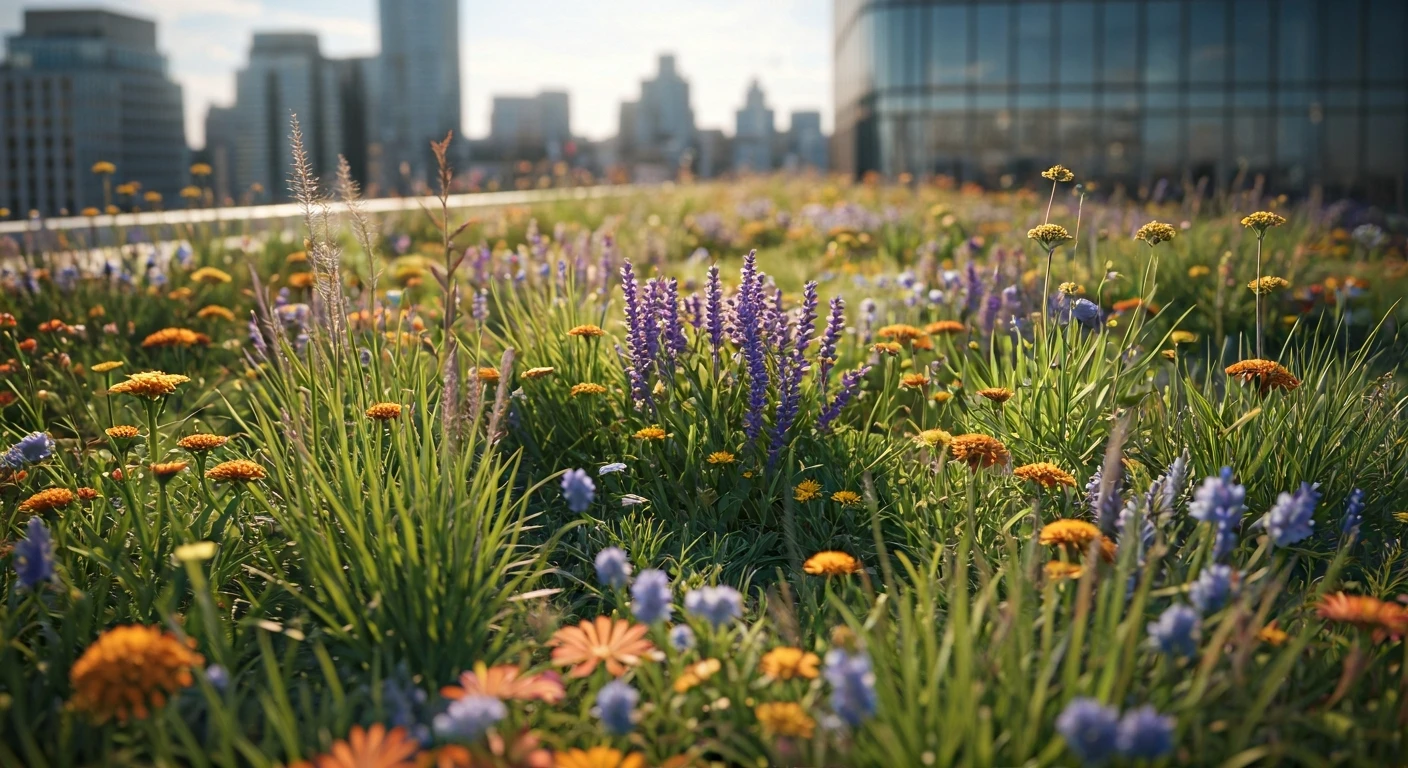
The advantages of green infrastructure go far beyond flood control. These projects are powerful tools for urban renewal. The addition of trees and plants helps combat the urban heat island effect, cooling down neighborhoods on hot summer days. They create habitats for pollinators and birds, increasing local biodiversity. They beautify streets, which has been shown to increase property values and encourage pedestrian activity. By making neighborhoods greener and more pleasant, these projects improve public health and community well-being. They turn utilitarian public works projects into multi-benefit community assets that clean the air, cool the streets, and connect people with nature.