


So, What Is Biophilic Design?
At its core, biophilic design is the practice of connecting people with nature within our built environments. It’s more than just adding a potted plant to a sterile office, though that’s a start. The concept, popularized by biologist E.O. Wilson, is based
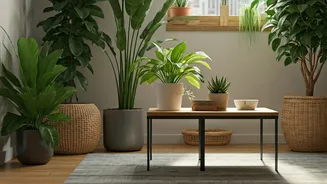
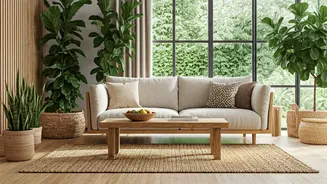
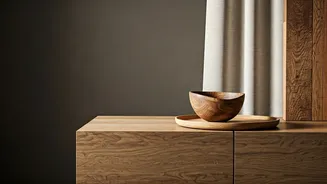
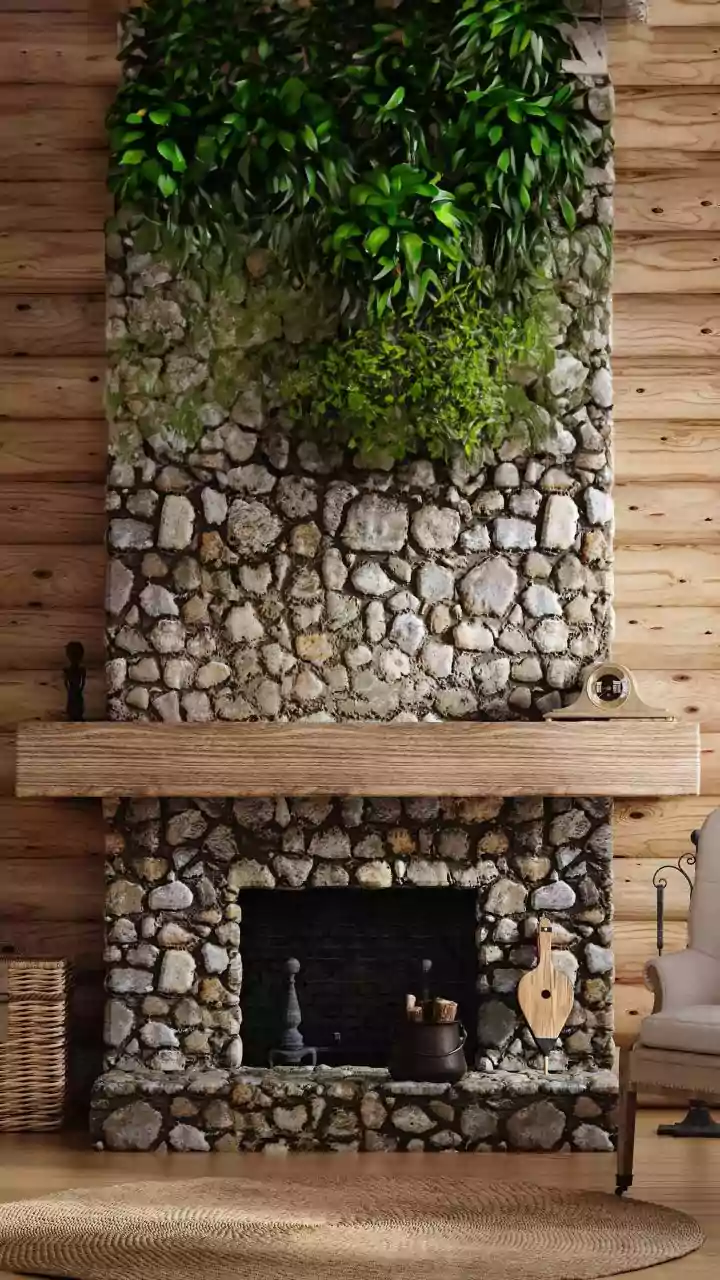
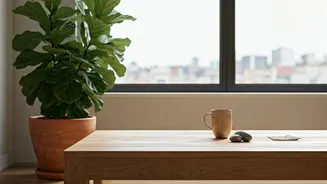
on the idea that humans have an inherent urge to affiliate with other forms of life—a pull toward the natural world that’s hardwired into our DNA from millennia spent outdoors. In practice, this translates to maximizing natural light, incorporating organic materials like wood and stone, improving airflow, using natural color palettes, and creating direct and indirect connections to living things. Think large windows overlooking a garden, an indoor wall of thriving ferns, a reclaimed wood table, or even just the sound of a small water fountain. The goal is to create spaces that don't just look good, but feel good on a primal level, reducing stress and improving our overall well-being.
Why Your Pet Cares About Your Decor
It’s easy to assume our pets are living the dream—endless naps, free food, no rent. But the domesticated world can be profoundly unnatural for an animal. A cat’s ancestors didn’t stare at drywall all day, and a dog’s instincts weren’t developed for navigating slippery laminate flooring under fluorescent lights. This disconnect can lead to stress, anxiety, and boredom, which often manifest as behavioral issues we mistakenly blame on the pet. This is where biophilic design enters the chat. By incorporating natural elements, we re-introduce vital sensory inputs that have been stripped away by modern living. A bird chirping outside a window isn’t just background noise; for a cat, it’s stimulating entertainment. The texture of a jute rug or a wool blanket provides a more satisfying tactile experience than polyester. These aren't just aesthetic upgrades; they are environmental enrichments that cater to an animal's ingrained biological needs.
Simple Ways to Create a Pet-Centric Oasis
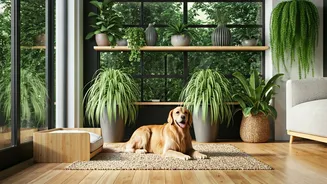
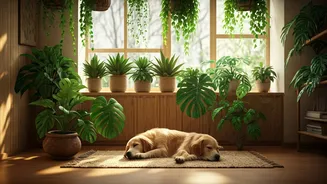
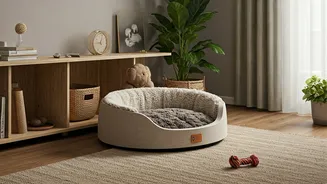
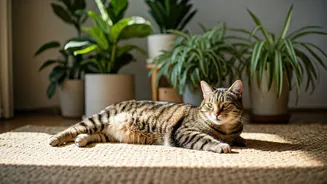
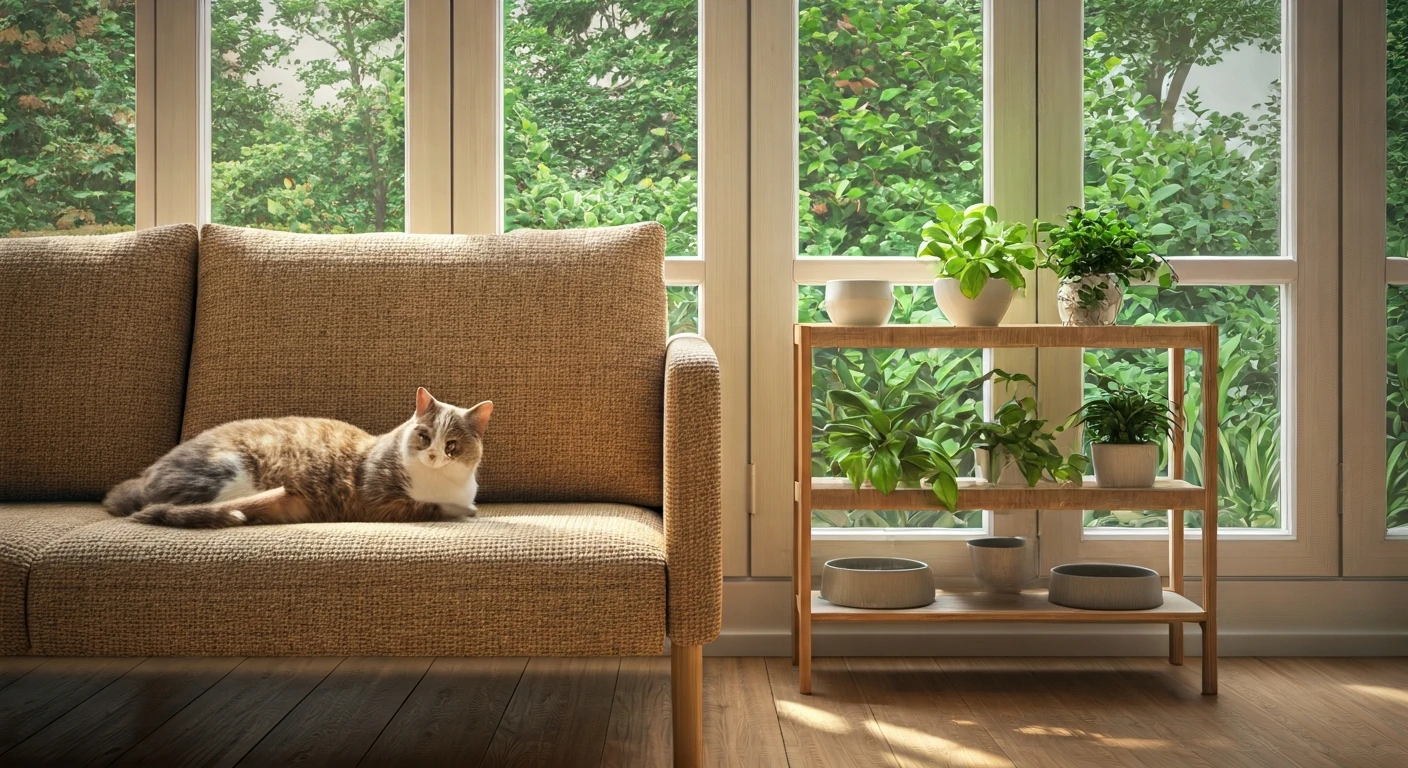
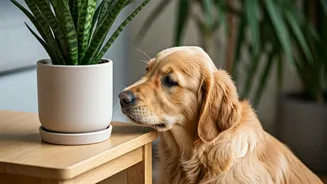
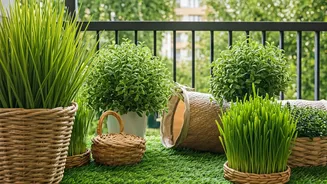
You don't need a gut renovation to start. Integrating biophilic principles can be simple and affordable. Focus on what your pet would naturally seek out: a safe perch, a sunny spot, interesting smells, and varied textures. A great first step is creating a dedicated “perch” or “prospect” spot. For cats, this means verticality—a tall cat tree near a window gives them a safe, elevated view of the world, satisfying their instinct to survey their territory. For dogs, a comfortable bed placed in a sun-drenched corner of the living room, where they can watch the household activity from a slight distance, provides a similar sense of security. Next, consider plants. While you must be vigilant about choosing pet-safe varieties, greenery like spider plants, cat grass, and certain palms can improve air quality and provide a multisensory experience. A small patch of cat grass offers a safe and satisfying chew for felines, bringing a tiny piece of the meadow indoors.
Engage All the Senses
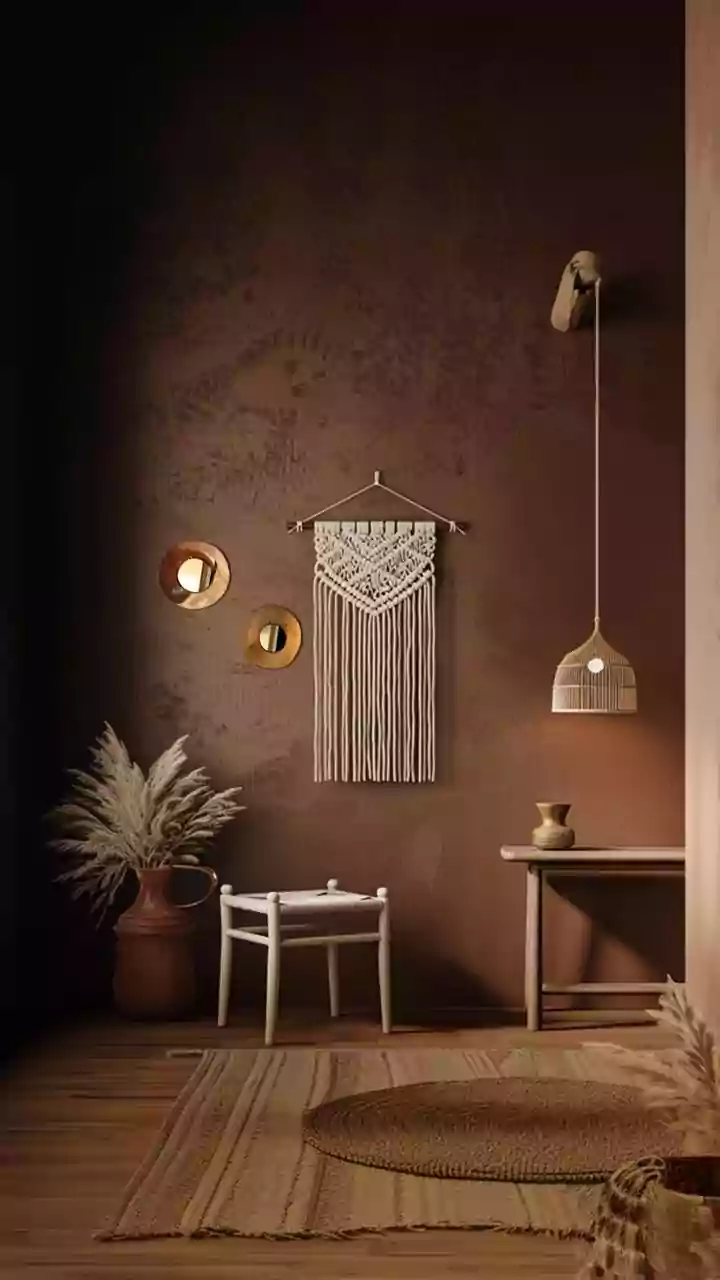
Beyond sight, think about touch, sound, and smell. Swap out synthetic pet beds and blankets for those made from natural fibers like wool, cotton, or linen. They’re not only more sustainable but also offer more complex and interesting textures. A scratching post made from real wood or sisal rope is far more appealing to a cat than a carpet-covered one that feels no different from the floor. Consider sound and water. While a dramatic indoor waterfall might be out of reach, a small, tabletop water fountain can provide the calming sound of trickling water, which can mask jarring street noise. It also offers a source of fresh, moving water that many cats and dogs are instinctively drawn to, encouraging better hydration. Even simple choices, like opening a window to let in fresh air and the sounds of the neighborhood, can transform a static environment into a dynamic and engaging one for your pet.