


The Great Thaw
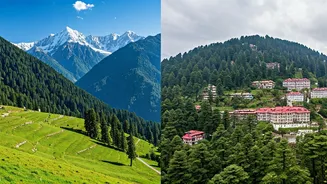
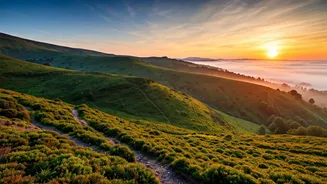
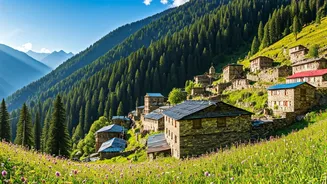
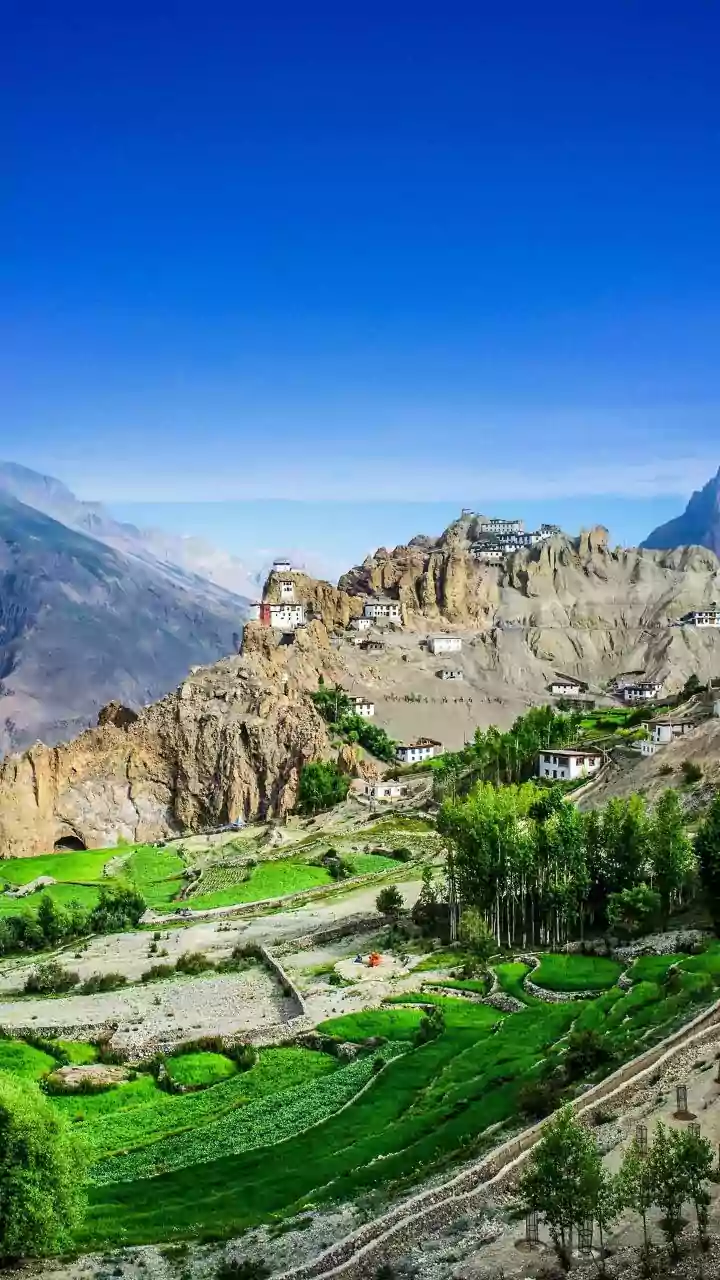
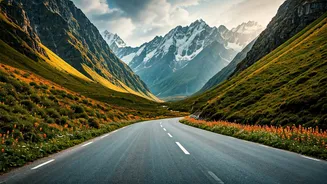
For much of the year, life in Himachal Pradesh, a stunningly beautiful state nestled in the western Himalayas, is dictated by the mountains. Winter blankets the region, closing roads and isolating remote villages. But June marks a turning point. It's
not just the official start of summer; it's a collective exhale, a region-wide celebration of warmth, mobility, and life itself. The weather becomes idyllic—warm sunny days and cool nights—drawing both international travelers and plains-dwelling Indians seeking respite from the subcontinent's scorching heat. More importantly, for the local Himachali people, the accessibility of the season allows for the renewal of cultural and communal life that was put on hold during the long, cold months. This convergence of climate, tourism, and tradition sets the stage for a month-long cultural takeover.
Shimla’s Grand Summer Festival
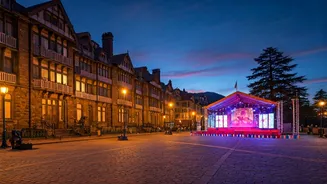
The most visible centerpiece of this cultural awakening is the Shimla Summer Festival. Held in the state's capital, a city that once served as the summer seat of the British Raj, the festival is a fascinating blend of colonial legacy and modern Indian verve. The historic Ridge, an expansive open space with panoramic mountain views, transforms into a bustling hub of activity. While it began in the 1960s, it carries the spirit of the town's Victorian past. Visitors can expect everything from performances by Bollywood stars and local folk musicians to dog shows, food stalls offering regional delicacies, and art exhibitions. It's a highly organized, accessible event that serves as a perfect introduction to Himachali public life, showcasing the state's ability to seamlessly merge its historical identity with contemporary entertainment.
Ancient Rhythms in the Kullu Valley
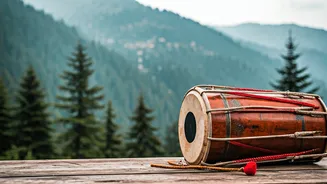
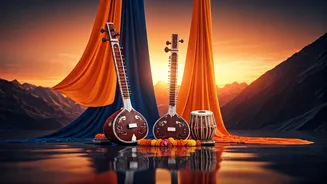
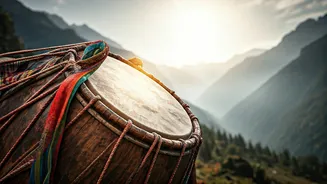
Venture deeper into the state, away from the colonial architecture of Shimla, and the cultural expressions become more ancient and deeply rooted in local faith. In the lush Kullu Valley, near the popular town of Manali, June hosts the Hadimba Devi Fair, or Dhugri Mela. This festival is not for show; it's a profound display of devotion. Centered around the 16th-century wooden Hadimba Temple, the fair honors the goddess Hadimba, a powerful figure from the Hindu epic, the Mahabharata. The festival's most striking feature is the procession of village deities, known as *devtas*. These deities, represented by ornate silver and gold masks carried on palanquins, are brought from surrounding villages to pay homage to Hadimba. The air fills with the sounds of traditional drums and trumpets as the gods 'dance' and 'interact,' carried on the shoulders of their followers in a hypnotic, swaying procession. It’s a powerful, raw spectacle of faith and community.
A Tapestry of Local Fairs
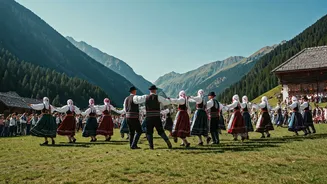
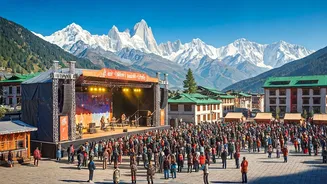
Beyond these headline events, the true cultural takeover of Himachal lies in the hundreds of smaller, local fairs, or *melas*, that sprout in villages across the state. These are the lifeblood of Himachali culture. From the Ganga Dussehra in the historic town of Chamba to countless unnamed village gatherings, these fairs are essential for trade, socializing, and arranging marriages. They are a riot of color and sound. Villagers, dressed in their finest traditional attire—women in vibrant woven shawls (*pattu*) and men in distinctive woolen caps—gather to trade livestock, sell handicrafts, and share news. The Nati, the region's graceful folk dance, is performed with infectious joy, often continuing for hours. These smaller events offer a glimpse into a way of life where community bonds are reaffirmed through annual celebration, proving that in Himachal, culture isn't just an event to attend; it's the very fabric of life.