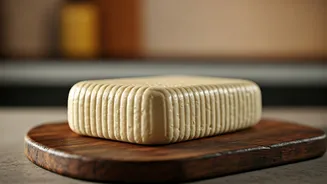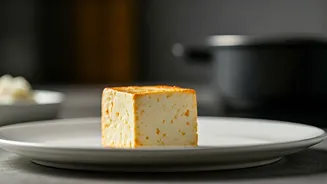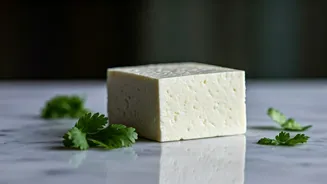




The Golden Rule: The Hot Water Soak
Talk to any seasoned home cook, and you’ll hear this tip again and again: the single most effective way to guarantee soft paneer is to soak it. This simple, non-negotiable step rehydrates the cheese, transforming it from a potentially rubbery block into
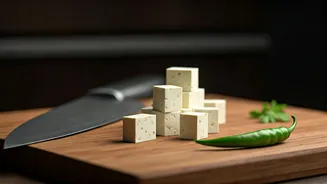
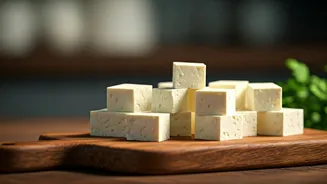
a tender, succulent morsel. The method is incredibly straightforward. Simply cube your store-bought paneer and place the pieces in a bowl. Cover them with hot (not boiling) water and add a generous pinch of salt. Let the cubes soak for 15 to 20 minutes before you plan to add them to your dish. You will notice an immediate difference in texture. The paneer becomes softer, more pliable, and loses that squeaky quality. Why does this work? Paneer is a fresh, unaged cheese made by curdling milk. The process can squeeze out moisture, and packaging and refrigeration can dry it out further. The hot water soak essentially puts that moisture back in, plumping up the cheese curds from the inside out and making it pillowy soft.
Timing Is Everything: Don't Overcook It
The second cardinal sin of paneer cooking is leaving it in the pan for too long. Unlike meat, paneer doesn't need to be 'cooked through' in the traditional sense. It's already a finished product. Its purpose in a curry or stir-fry is to heat up and absorb the flavors of the sauce. Overcooking is what forces the moisture back out, causing it to seize up and become tough. The best practice is to add your pre-soaked paneer cubes during the last few minutes of cooking. For a simmering curry like a tikka masala, this means stirring them in just three to five minutes before you turn off the heat. This is enough time for the paneer to become hot and mingle with the spices without compromising its delicate, soft texture. Think of it less as cooking and more as gentle warming. If you must pan-fry it first for color and texture, do it quickly over medium-high heat until just golden, and then immediately proceed with the hot water soak before adding it to your main dish.
To Fry or Not To Fry?
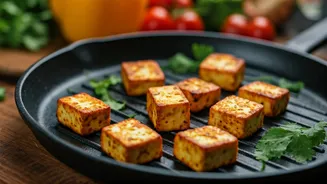
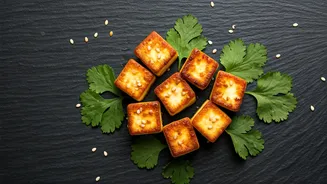
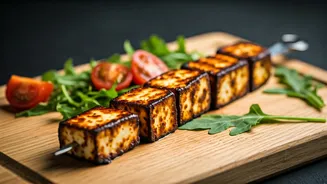
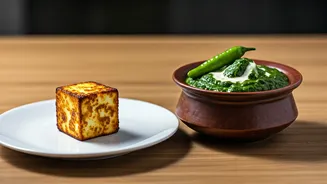
Many recipes call for pan-frying paneer cubes before adding them to a gravy. This step adds a wonderful textural contrast—a slightly crisp, golden-brown exterior that gives way to a soft interior. However, it’s also a major culprit behind dry paneer if done incorrectly. The key is to fry it quickly and efficiently. Use a neutral oil or ghee in a non-stick skillet over medium-high heat. Don't overcrowd the pan, as this will steam the paneer instead of searing it. Fry the cubes for just a minute or two per side, until they are lightly golden. Then, immediately remove them from the pan and, you guessed it, place them directly into a bowl of hot, salted water. This technique gives you the best of both worlds: the delicious, savory crust from frying and the guaranteed tenderness from soaking. The soak after frying rehydrates any moisture lost in the hot pan, ensuring the final product is perfect.
Consider the Source: Store-Bought vs. Homemade
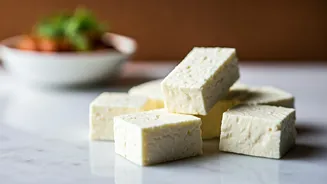
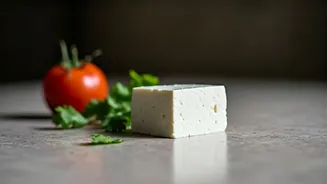
While the soaking technique works wonders on all types of paneer, the starting quality of your cheese matters. Most store-bought paneer available in the U.S. is vacuum-sealed and quite firm, making it ideal for cubing but also prone to dryness. These are the varieties that benefit most from a diligent soak. If you ever have the chance, try using homemade paneer. The process is simpler than you might think—it just requires milk, an acid like lemon juice or vinegar, and cheesecloth. Freshly made paneer is inherently softer, creamier, and more flavorful. While it's more delicate and may crumble a bit more easily, it rarely has the squeaky, rubbery texture of its store-bought counterparts. For dishes where you want an exceptionally creamy texture, making your own can elevate the meal from great to unforgettable. But for a reliable weeknight curry, a good quality store-bought block and a 20-minute hot water bath is your ticket to success.