







The Most Important Weather You've Never Tracked
When Americans think of a “monsoon,” we usually picture a vague, cinematic downpour. But for India, a nation of 1.4 billion people, the annual summer monsoon is the lifeblood of its economy and food supply. Running from roughly June to September, this
weather system delivers over 70% of the country's annual rainfall. It’s not just about filling reservoirs; it’s the primary irrigation for nearly half of India’s agricultural land, which lacks access to other watering systems. A strong, timely monsoon means bountiful harvests, thriving rural economies, and stable food prices. A weak, erratic, or delayed monsoon, however, can spell disaster. It can lead to crop failure, water shortages, and inflationary pressure that doesn't stay within India’s borders. For global food markets, the Indian monsoon forecast is as closely watched as a Federal Reserve meeting.
From India's Farms to Your Pantry
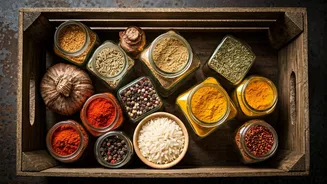
So, why does this matter in Des Moines or Denver? Because the U.S. is a major importer of specific food items where India is the undisputed global champion. Think about the foundational ingredients of so many cuisines. India is the world's largest producer of spices like turmeric, cumin, and ginger, and a dominant force in black pepper. It’s also the world's biggest exporter of rice, particularly the long-grain, aromatic basmati rice that fills the shelves at stores from Whole Foods to Costco. Beyond that, the country is a massive producer of sugar, tea, and pulses like lentils and chickpeas. When monsoon rains falter, the yields of these crops plummet. A 10% deficit in monsoon rainfall can correlate to a significant drop in food grain production. This isn't a small-scale farming issue; it's a global supply shock in the making.
Following the Money: How Prices Rise
The journey from a dry field in Punjab to a higher price tag at your local market follows a clear path. First, lower yields create scarcity within India itself. To ensure its own population can afford staple foods, the Indian government often steps in with protectionist measures. We’ve seen this playbook before. In 2023, facing domestic price hikes, India banned exports of non-basmati white rice, sending shockwaves through global markets and causing prices to spike nearly 20% in a few months. Similar export curbs or taxes can be placed on sugar, onions, and other essentials. When the world’s biggest supplier suddenly turns off the tap, the remaining global supply becomes far more expensive. U.S. importers who buy these commodities in bulk have to compete in a tighter, pricier market. That higher cost is inevitably passed down the supply chain—from the importer to the distributor, to the grocery store, and finally, to you.
What to Watch on the Shelves
You won’t see a sticker on your spice jar that says, “Price increased due to weak monsoon.” The impact is more subtle. The most immediate and noticeable changes will be in the rice aisle, particularly for basmati varieties. Spices are another key category. While you might not notice a 50-cent increase on a jar of turmeric, these costs add up. The impact also bleeds into prepared foods. That frozen chicken tikka masala, your favorite brand of curry paste, the lentil soup at the deli counter, and even some health supplements containing turmeric or other botanicals—all rely on these raw ingredients. Restaurants, especially Indian and other South Asian eateries, are on the front lines. They absorb rising costs for as long as they can, but eventually, the price of your takeout order will reflect the reality of the global commodity market. It’s a powerful reminder that in our interconnected world, the price of dinner is often set by forces thousands of miles away.