



It's a Free, Air-Conditioned Third Place
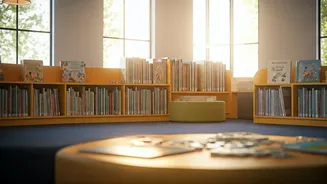
Let’s start with the basics. Summer is hot. Your electricity bill is, too. The library is a blissfully cool oasis that costs nothing to enter. It’s a classic “third place”—not home, not work or school—where you and your kids can simply exist without the pressure
to buy something. On those sweltering July afternoons when everyone is going stir-crazy, the library offers a change of scenery and a reset button. You can browse, read, use the Wi-Fi, or just sit quietly in a comfy chair. For a frazzled parent, that is a five-star luxury experience. It’s a destination with no agenda, which is the most relaxing kind of summer outing.
The Entertainment is Endless (and Not Just Books)
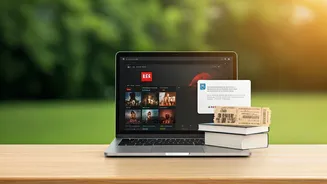
The stereotype of a dusty, silent repository for books is decades out of date. Modern libraries are multimedia wonderlands. Through apps like Libby and Hoopla, your library card grants you free access to a massive catalog of e-books, audiobooks, digital magazines, and comics. It’s like a subscription to a dozen different services, but for free. For a family road trip, you can download a dozen audiobooks to please every taste. For a rainy day, you can stream an indie film or a documentary on Kanopy. Many libraries also have vast collections of DVDs, CDs, and even video games for various consoles. It’s a guilt-free way to manage screen time by curating high-quality content.
It Offers Structure Without a Schedule
The chaos of summer often comes from a lack of routine. The library provides a gentle framework. Weekly story time for toddlers, a teen anime club, a Lego-building hour for elementary kids—these are drop-in events that give the week a soft rhythm without the rigid commitment (or cost) of a formal class. The classic Summer Reading Challenge is the ultimate example. It gamifies reading, often with small, delightful prizes, encouraging kids to keep their minds active and prevent the “summer slide.” It’s education disguised as fun, a mission every parent can get behind. It gives kids a goal to work toward and gives parents an easy answer to the dreaded “I’m bored.”
You Can Borrow Way More Than Books
Many libraries are expanding into a “Library of Things,” and this is where the hack becomes truly next-level. Depending on your system, you might be able to check out a telescope for a starry night, a sewing machine for a new hobby, a GoPro for your vacation, or a set of gardening tools for a weekend project. Some libraries even have kitchen equipment like cake pans and Instant Pots. This is a game-changer for trying new things without the financial investment or storage commitment. It’s the physical manifestation of the sharing economy, and it teaches a valuable lesson about community resources over individual consumerism.
It Unlocks Your City for Free
Perhaps the most underrated perk of a library card is its power to open up the rest of your community. A huge number of library systems partner with local cultural institutions to offer free or deeply discounted admission passes. You could get a family pass to the local science museum, the children’s museum, the zoo, or a nearby historical site, all just by checking it out with your card. These programs can save you hundreds of dollars over the course of a summer, turning what would be a major, budget-conscious excursion into a spontaneous, free afternoon of fun and learning. Check your library’s website under “museum passes” or “cultural passes”—you will likely be stunned by what’s available.