
Watermelon Rinds: Your New Favorite Pickle
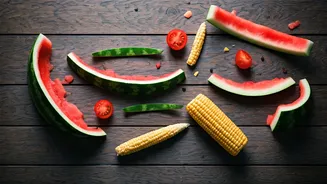
That thick, pale green rind you usually send straight to the compost bin is a culinary powerhouse in disguise. It has a crisp, cucumber-like texture that makes it perfect for pickling. By removing the tough outer green skin and cubing the white part of
the rind, you have the base for a classic Southern treat: watermelon rind pickles. Simmered in a brine of vinegar, sugar, and spices like cinnamon and cloves, the rind transforms into a sweet, tangy, and surprisingly complex condiment. They’re fantastic alongside grilled meats, chopped into a chicken salad for a surprising crunch, or simply served with a cheese board. It’s a nostalgic recipe that makes the most of the entire fruit, proving that the best part might just be the one you’ve been throwing away.
Stone Fruit Pits: The Secret to Almond Flavor
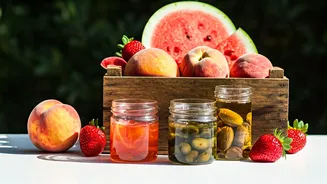
The pits from cherries, peaches, and apricots hold a secret: they are packed with a flavor compound called benzaldehyde, which gives almonds their characteristic taste. Instead of tossing them, you can use them to create a beautifully fragrant infusion. After thoroughly cleaning and drying the pits (do not crush or break them, as the inner kernel can contain toxic compounds), you can gently toast them in a dry pan to enhance their aroma. Then, add the whole pits to a jar of heavy cream or a simple syrup. Let it steep in the refrigerator for a day or two, then strain. The resulting liquid will have a delicate, marzipan-like essence, perfect for making panna cotta, ice cream, or adding a sophisticated twist to your morning coffee. It’s an old-world trick for getting no-cost almond extract flavor.
Strawberry Tops: Infuse Everything
When you hull a flat of strawberries, you’re left with a pile of leafy green tops that still have a bit of fruit attached. These are flavor gold. Collect the tops in a jar and cover them with water for a refreshing, subtly sweet strawberry-infused water that beats any store-bought version. For something with more punch, pack them into a jar and top with white wine vinegar or apple cider vinegar. Let it sit for about a week, and you'll have a bright pink, fruity vinegar that’s incredible in salad dressings. You can also simmer the tops with a bit of sugar and water to create a “scrap syrup” for cocktails, lemonade, or drizzling over pancakes. It’s a simple, zero-effort way to capture every last drop of that iconic berry flavor.
Citrus Peels: Make a Bartender's Secret Ingredient
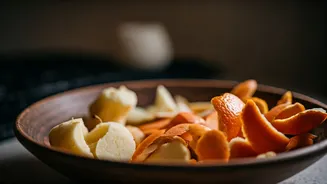
Summer means lemonade, margaritas, and gin and tonics—all of which leave you with spent citrus halves. Before you toss those lemon, lime, or grapefruit peels, use them to make oleo-saccharum. The name sounds fancy, but the process is simple: muddle the peels with sugar and let them sit for a few hours. The sugar will pull all the essential oils out of the peels, creating a rich, intensely fragrant citrus syrup. This oleo-saccharum is the secret weapon behind many high-end cocktails, adding a depth of flavor that simple juice can’t match. A spoonful can elevate a simple glass of iced tea or form the base of an unforgettable whiskey sour. You can also dehydrate the peels to make citrus powder for seasoning or candy them for a sweet snack.
Pineapple Cores and Skins: Brew a Refreshing Drink
The tough, fibrous core and spiky skin of a pineapple make up a significant portion of the fruit, but they are far from useless. In Latin America, they are the key ingredients for tepache, a lightly fermented and effervescent drink. Simply combine the pineapple core and skins in a large pitcher with water, piloncillo (or brown sugar), and a cinnamon stick. Cover the pitcher with a cloth and let it sit at room temperature for two to three days. The natural yeasts on the pineapple skin will work their magic, creating a fizzy, cider-like beverage that is incredibly refreshing on a hot day. Strain it, chill it, and serve it over ice for a probiotic-rich, low-waste summer cooler.