


Why All the Buzz?
If you’ve seen a sudden surge of breathtaking photos featuring turquoise lagoons and palm-fringed canals from India, you’re not imagining it. Following a recent diplomatic spat that saw Indian travelers boycotting the Maldives, social media and celebrities
ignited a massive 'Explore Indian Islands' campaign. At the center of it are two jewels of the Arabian Sea: the remote Lakshadweep archipelago and the verdant mainland state of Kerala. Both offer stunning beauty that rivals more famous global destinations, but they cater to very different types of travelers and demand a bit more planning than your average all-inclusive resort vacation. They are less 'plug-and-play' and more 'choose your own adventure,' which is a huge part of their charm.
Lakshadweep: The Unspoiled Atolls
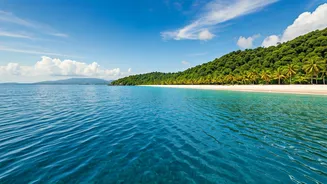
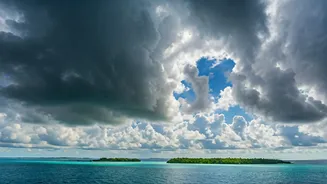
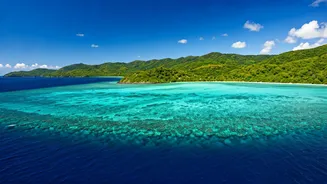
Imagine 36 coral atolls so remote and protected that they make the Maldives look like a bustling metropolis. That's Lakshadweep. Only a handful of these islands are open to tourists, preserving a sense of untouched paradise. The main draw is what you’d expect from a world-class tropical haven: crystalline waters perfect for diving and snorkeling, vibrant coral reefs teeming with marine life, and powdery white sand beaches without the crowds. Islands like Agatti, Bangaram, and Kadmat are the primary hubs for tourism, offering simple, eco-conscious resorts that prioritize nature over nightlife. This is the place for digital detoxes, romantic escapes, and for travelers who want to feel like they’ve found one of the planet's last secret spots.
The Lakshadweep Cautions: Plan Ahead
Getting to this paradise requires navigating a fair bit of red tape. Access is tightly controlled to protect the fragile ecosystem and local culture. All tourists, including Indian citizens, need a special permit to enter. For foreigners, this process can be more complex and often requires booking a package through an authorized tour operator. Flights are limited, primarily operating from Kochi in Kerala, and so is accommodation. Don't expect sprawling water villas with private butlers; think modest beach bungalows and government-run lodges. Furthermore, alcohol is prohibited on all islands except Bangaram. This isn't a flaw; it's a feature. Lakshadweep is for the patient, eco-conscious traveler, not the spontaneous party-seeker.
Kerala: 'God's Own Country'
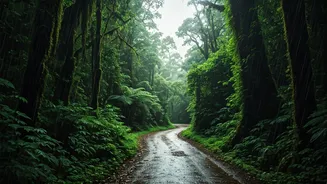
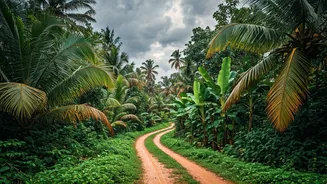
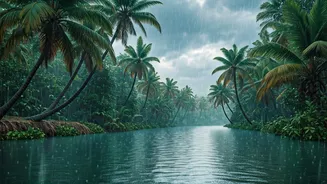
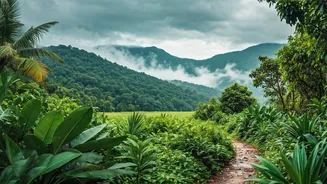
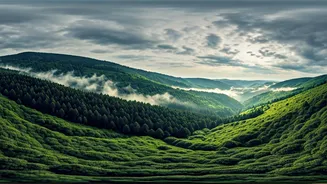
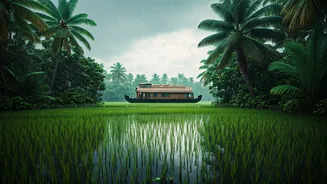
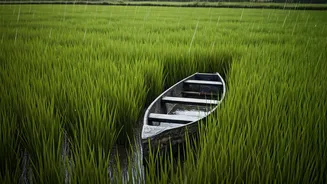
If Lakshadweep is about pristine isolation, Kerala is about lush, immersive culture. Located on the mainland, it’s far more accessible and offers a kaleidoscope of experiences. The most iconic is a slow journey through the backwaters—a serene network of lakes, canals, and lagoons—on a traditional houseboat, or 'kettuvallam.' Beyond the water, Kerala’s appeal lies in its rolling hills covered in tea and spice plantations in places like Munnar and Thekkady, its rich tradition of Kathakali dance, and its reputation as the birthplace of Ayurveda, with wellness retreats offering ancient healing therapies. The food is a highlight in itself, a fragrant blend of coconut, seafood, and spices. It's a destination that engages all the senses.
The Kerala Cautions: Navigate Wisely
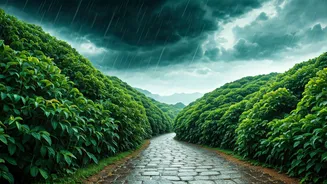
As a more established tourist destination, Kerala is easier to navigate than Lakshadweep, but it has its own set of considerations. The biggest is timing. The monsoon season, from roughly June to September, brings heavy rains that can be beautiful but can also disrupt travel plans and outdoor activities. While the state has excellent infrastructure compared to other parts of India, some popular spots like Munnar and Alleppey (the hub for backwater trips) can get crowded, especially during peak season (December to February). For a more authentic experience, consider visiting during the shoulder seasons or exploring less-traveled parts of the state. As with any travel, it pays to be mindful of local customs and dress modestly, particularly when visiting religious sites.