






The New Non-Negotiable: Climate Stability
For generations, travel planning followed a simple formula. You picked a destination, found a time that worked, and hunted for a deal. The weather was a secondary thought—a packing consideration, not a deal-breaker. That logic has been completely upended.
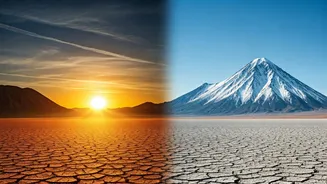
In recent years, travelers have been burned—literally and figuratively. They’ve booked idyllic summer trips to Europe only to be trapped by 110-degree heat domes, or planned serene Canadian getaways clouded by wildfire smoke from hundreds of miles away. The Caribbean vacation, once a reliable winter escape, now comes with the heightened anxiety of an ever-stronger hurricane season. This isn’t just about avoiding a rainy day. It's about avoiding conditions that are not just unpleasant, but dangerous and vacation-ruining. The idyllic postcard image of a destination is being replaced by the sobering reality of climate volatility. As a result, weather has been promoted from a minor detail to the single most important filter for many American travelers. Before they ask “how much?” they ask “how hot, how smoky, how stormy will it be?”
From Forecasts to 'Climate-Casting'
This shift has created a demand for a new kind of travel intelligence. A ten-day forecast is no longer sufficient for planning a trip six months from now. Instead, savvy travelers are becoming amateur climatologists, a practice you might call 'climate-casting.' They are digging into historical data to understand not just average temperatures, but the probability of extreme events. This move from short-term forecasting to long-term climate analysis is the engine of the weather-first trend.
Naturally, technology is rushing to fill the void. A new cottage industry of apps and websites has emerged to help travelers make these sophisticated calculations. Platforms like Amble and Triply-climate allow users to search for destinations based on desired weather parameters—say, “75 degrees and sunny in October.” Even established players are getting in the game. Google Flights and Expedia have integrated tools that provide travelers with historical temperature and weather pattern data, implicitly acknowledging that this information is now critical to the decision-making process.
The Great 'Shoulder Season' Migration
One of the biggest consequences of this weather-first mindset is the redefinition of “peak season.” Summer in the Mediterranean? For many, it’s now a hard pass. Instead, travelers are flocking to these destinations in the “shoulder seasons” of April, May, September, and October. These months once offered a slight discount for those willing to risk less-than-perfect weather; now, they offer the best chance of avoiding extreme heat, making them the new, unofficial peak.
Travel operators and tourism boards are adapting. They are rebranding their shoulder seasons as the *ideal* time to visit, highlighting pleasant temperatures and fewer crowds. This migration is shifting the economic calendar for entire regions. Destinations that once banked on a frantic two-month summer rush are now finding more sustainable, year-round interest. It’s a win for travelers seeking comfort and for destinations seeking relief from the pressures of over-tourism and extreme heat.
How to Plan Your Next Weather-Proof Trip
So, how do you navigate this new world? First, embrace flexibility. If your heart is set on a specific place, be open about when you go. Use climate-data tools to identify the month with the highest probability of good weather. Second, consider new destinations. If Southern Europe is too hot, perhaps the Baltics or Scandinavia in July offer the pleasant summer you’re looking for. Third, look for travel insurance and booking policies that offer protection. Some hotels and travel companies are beginning to offer “weather guarantees” or more flexible cancellation policies in response to this growing uncertainty.
Finally, talk about it. When planning with family or friends, put the weather conversation front and center. Establishing a comfortable temperature range and tolerance for risk before you start looking at flights can save you from booking a trip that one person will inevitably find miserable. In this new climate reality, aligning on weather is as important as aligning on a budget.