


Why June Is the Magic Month
Planting perennials and climbers in June might seem late to some, but for jasmine, the timing is brilliant. By now, the threat of a late frost has passed in nearly every U.S. climate zone, and the soil has had months to warm up. Warm soil is crucial because
it encourages rapid root development, allowing the plant to establish itself quickly and securely before the peak heat of summer sets in. Furthermore, the long, sunny days of June provide ample energy for photosynthesis, fueling vigorous vine growth. Planting now gives your jasmine a running start, ensuring it has the entire summer and fall to weave its way up your trellis or wall, building the strength it needs to survive its first winter and return with an explosion of growth and blooms the following year. You're not just planting a vine; you're giving it the best possible launchpad for a long, fragrant life.
Choosing Your Perfect Jasmine
The word "jasmine" is used for a variety of fragrant vines, and not all are created equal. It’s essential to pick one suited to your climate and needs.
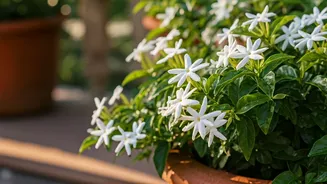
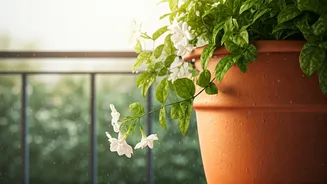
Star Jasmine (Trachelospermum jasminoides): Technically not a true jasmine, this is the most popular and reliable choice for many American gardeners. This evergreen vine boasts glossy dark leaves and a profusion of pinwheel-shaped, intensely fragrant flowers from late spring into summer. It’s hardy in USDA Zones 8-10 and can handle a bit of shade, though it flowers best in full sun. It’s a well-behaved but vigorous climber, perfect for fences, arbors, and pergolas.
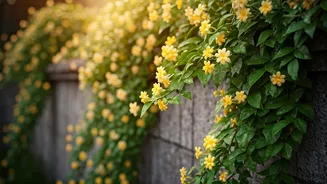
Carolina Jessamine (Gelsemium sempervirens): For those in slightly cooler climates (Zones 7-9), this native vine is a fantastic, low-maintenance option. It produces cheerful, trumpet-shaped yellow flowers in late winter or early spring, providing an early-season burst of color. While its fragrance is lighter and spicier than Star Jasmine, its semi-evergreen foliage and resilience make it a workhorse. Be aware: all parts of this plant are toxic if ingested, so it's not ideal for gardens with curious pets or small children.
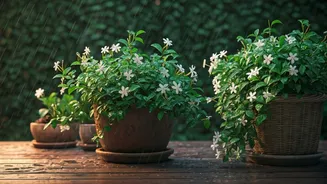
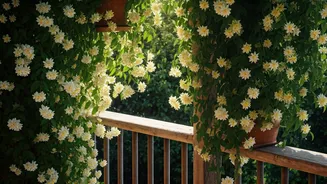
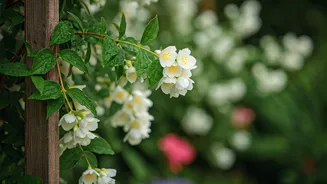
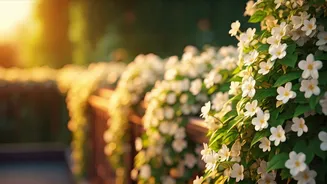
Common White Jasmine (Jasminum officinale): Also known as Poet’s Jasmine, this is a true jasmine, beloved for its delicate, fern-like foliage and powerfully sweet scent. It’s a deciduous vine that thrives in Zones 7-10, producing clusters of white flowers from late spring through fall. It’s a fast-growing, rambling vine that benefits from a sturdy support and regular pruning to keep it in check.
Planting for Success: A Simple Guide
Once you've brought your chosen jasmine home, setting it up for success is straightforward.
1. Pick the Right Spot: Most jasmines need at least six hours of direct sunlight per day to produce abundant flowers. Choose a location with well-draining soil near a structure it can climb, like a trellis, fence, arbor, or even just a few wires run up a wall.
2. Prepare the Hole: Dig a hole that is twice as wide as the nursery pot but just as deep. You want the top of the root ball to sit level with the surrounding soil. Amending the backfill soil with a shovelful of compost will provide a gentle nutrient boost and improve drainage.
3. Plant with Care: Gently remove the vine from its pot, teasing out any circling roots at the bottom to encourage them to spread. Place it in the center of the hole, and backfill with your prepared soil, lightly tamping it down to remove air pockets.
4. Water Thoroughly: Give the newly planted vine a deep, slow watering to help the soil settle around the roots. This initial soaking is the most important drink it will get.
Training and Ongoing Care
Jasmine climbers aren’t born knowing where to go; they need a little guidance. In the beginning, you may need to gently weave the young, flexible stems through your trellis or use soft plant ties to attach them to the support structure. Once a few main stems are heading in the right direction, the vine will largely take care of itself, sending out new shoots that twine around whatever they can grab. For the first year, focus on consistent watering, especially during dry spells, to help the root system become deeply established. A layer of mulch around the base will help retain moisture and keep weeds down. Most established jasmines are fairly drought-tolerant and don’t require heavy feeding. A light application of a balanced, all-purpose fertilizer in the spring is usually all they need to thrive and fill your garden with their signature scent.