




1. Your Weather-Beaten Wiper Blades
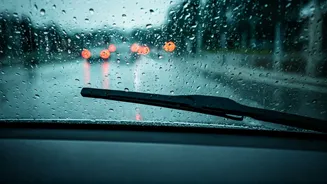
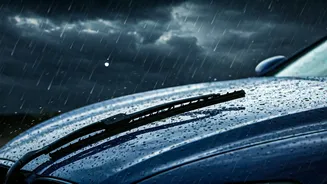
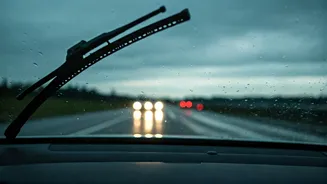
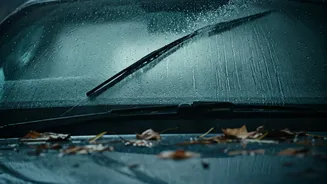
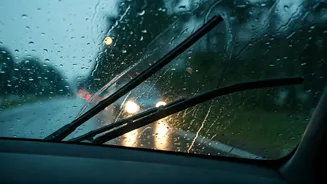
This seems obvious, but it’s the first line of defense you’ll wish you had checked. Intense sun and dry heat bake the rubber on wiper blades, causing them to crack, stiffen, and lose their flexibility. When the first downpour hits, old blades don't clear
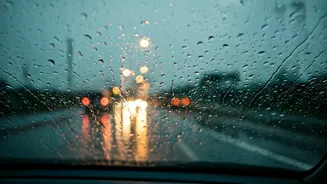
water; they smear it, creating a dangerous, blurry mess that can completely obscure your vision. Instead of a clean sweep, you get chattering, streaking, and an ineffective shield against blinding rain. Before the season starts, lift your wipers off the windshield and run your finger along the rubber edge. If it feels brittle, shows visible cracks, or leaves black residue on your fingers, it’s time for a new pair. They are inexpensive and one of the easiest DIY car maintenance tasks you can perform.
2. The Clogged Drains You Never Knew Existed
Here's the secret starting point for so many electrical gremlins and musty smells. Your car is designed with a series of drains to channel water away from sensitive areas. The most common culprits are the plenum drains (located at the base of the windshield under the plastic cowl) and sunroof drains. Over months, they get clogged with leaves, pine needles, and dirt. When the monsoon arrives, this blocked drainage system causes water to backup and spill into the passenger cabin, often soaking carpets, ruining electronics under the dashboard, and leading to mold and mildew. A simple inspection can save you thousands. Open your hood and clear any debris from the windshield cowl. If you have a sunroof, carefully pour a small amount of water into the drain channels to ensure it exits freely underneath the car.
3. Your Tire Treads and Pressure
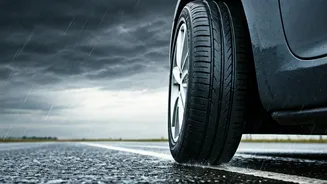
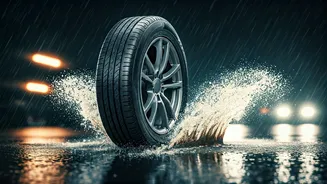
In a monsoon, the most dangerous part of the road is the water sitting on top of it. Hydroplaning—where your tires lose contact with the pavement and glide uncontrollably on a thin layer of water—is a terrifying and common cause of wet-weather accidents. Your only defense is good tire tread, which acts like a series of channels to squeegee water out from under the tire. To check your tread depth, use the classic penny test: place a penny with Lincoln’s head upside down in the tread groove. If you can see the top of his head, your tires are dangerously worn and need replacement. Also, check your tire pressure. Underinflated tires can't maintain their shape and are more prone to hydroplaning. Properly inflated tires with deep treads are your best insurance policy for staying connected to the road.
4. The Aging Weather Seals
Just like wiper blades, the rubber seals around your doors, windows, trunk, and sunroof take a beating from the sun. As they age, they become dry, cracked, and compressed, losing their ability to create a watertight barrier. During a heavy monsoon storm, water can be forced past these failing seals, leading to damp carpets, foggy windows, and a perpetually musty smell inside your car. Even a small leak can go unnoticed, seeping into floor pans and causing rust to form from the inside out. Take a few minutes to visually inspect all the main seals on your vehicle. Look for any obvious cracks, tears, or sections that are flattened or peeling away from the metal. A flexible, pliable seal is a good seal.
5. Your Battery and Electrical Connections
Water and electricity are a famously bad mix. The extreme humidity of monsoon season can wreak havoc on your car's electrical system, even without direct water contact. Moisture in the air can accelerate corrosion on battery terminals and other electrical connectors. This white or greenish buildup acts as an insulator, preventing a clean flow of electricity. The result? Your car might struggle to start, or you could experience flickering lights and other baffling electrical issues. Pop the hood and take a look at your battery terminals. If you see any corrosion, you can clean it off with a wire brush and a mixture of baking soda and water (with the battery disconnected, of course). Ensuring these connections are clean and tight helps guarantee your car will have the power it needs, rain or shine.