



A Road Trip on a Platter
Let’s be clear: “multi-state plate” isn’t a formal culinary term you’ll find in a French dictionary. Instead, think of it as a philosophy—a style of eating that’s gaining traction in restaurants and food halls across the country. It’s the sampler platter,
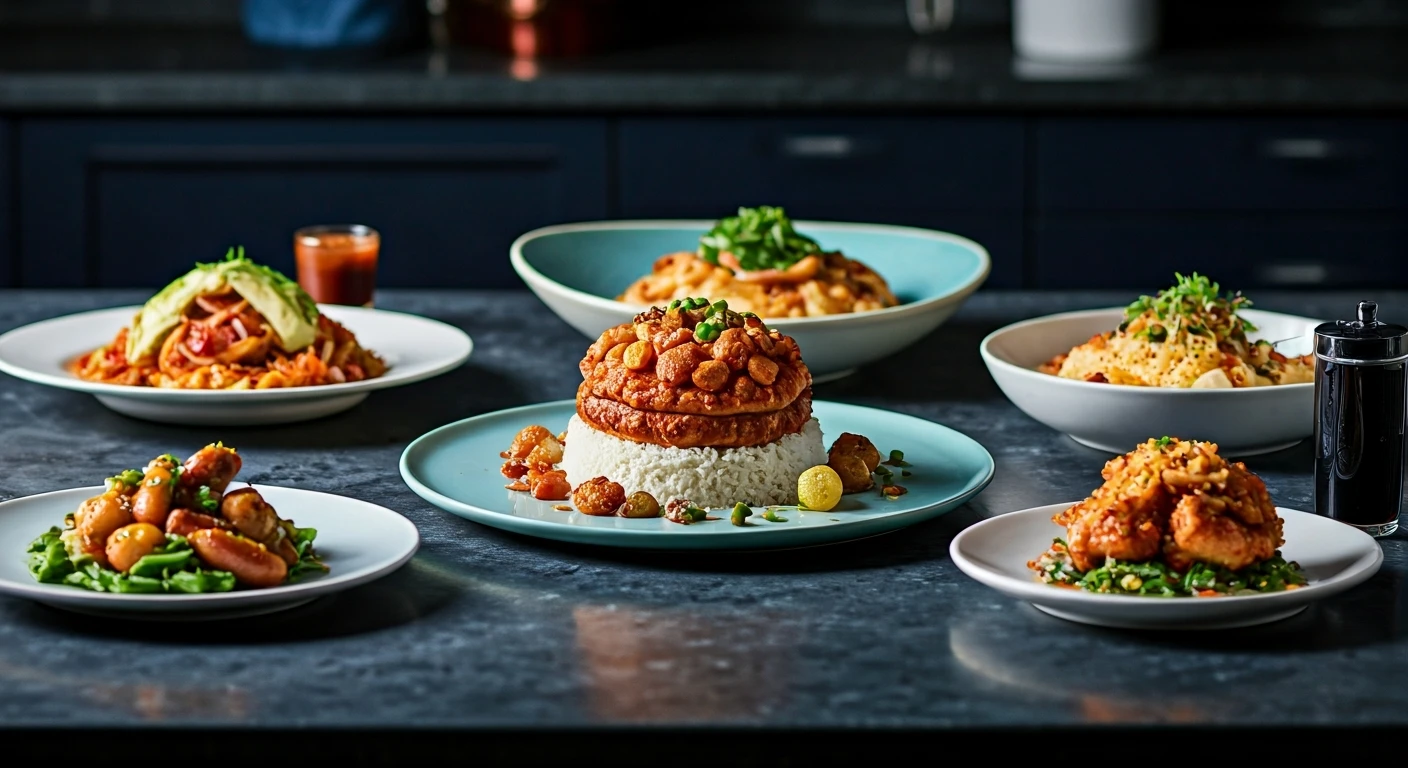
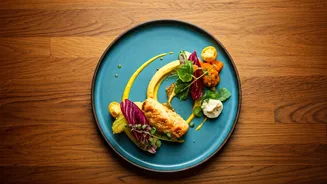
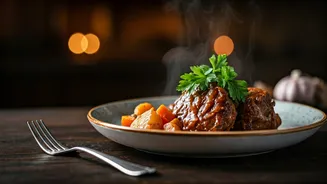
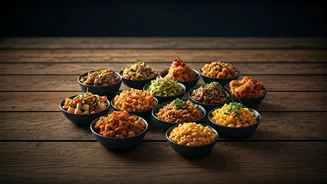
the tasting flight, the combo meal, all grown up and given a passport to travel across U.S. state lines. At its core, it’s an offering that deliberately showcases distinct culinary traditions from different American regions on a single menu, and often, on a single plate. Imagine a barbecue joint that doesn't force you to choose a regional religion. Instead, it offers a holy trinity of tangy, vinegar-based North Carolina pulled pork, peppery, smoky Texas brisket, and sweet, tomato-glazed Kansas City ribs, all nestled together. That’s the magic of the multi-state approach. It transforms a meal from a single destination into a culinary road trip.
The Ultimate Cure for Menu Anxiety
We’ve all been there. You’re dining with friends, and the pressure is on. Everyone else seems to know exactly what they want, but you’re caught in a spiral of indecision. Order the safe bet, and you might miss out on a revelation. Order the adventurous option, and you risk disappointment. This is where the multi-state concept shines. It’s built for the curious, the indecisive, and the FOMO-afflicted (Fear Of Missing Out). By offering smaller portions of several distinct dishes, it lowers the stakes and raises the potential for discovery. You can compare the briny freshness of a New England clam chowder with the tomato-based heartiness of a Manhattan version without committing to a full bowl of either. It’s a low-risk, high-reward dining strategy. This approach acknowledges a fundamental truth of modern eating: we want variety, we crave new experiences, and we love to share. These plates are inherently shareable, sparking conversation and comparison.
A Delicious Lesson in American Culture
Beyond simply being a clever way to eat, the multi-state plate is a tangible, edible lesson in American history and geography. Our nation’s culinary landscape was shaped by immigration, agriculture, climate, and local ingenuity. Each regional specialty tells a story. A spoonful of Louisiana gumbo speaks of French, Spanish, African, and Choctaw influences simmering together in one pot. A bite of a Wisconsin bratwurst carries the legacy of German immigrants, while New Mexico’s signature green chile reflects its unique position at a crossroads of Native American and Spanish cultures. When a chef thoughtfully curates a plate with dishes from different regions, they’re doing more than just feeding you. They are acting as a culinary storyteller, connecting you to the diverse tapestry of American identity. You’re not just tasting food; you’re tasting place, history, and community. It’s a powerful reminder that American cuisine is not a monolith but a vibrant, ever-evolving collection of hyper-local traditions.
What a Culinary Tour Looks Like
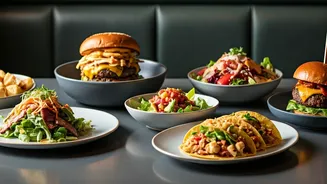
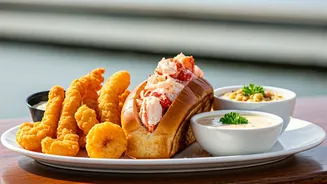
So what might this look like in the wild? At a modern American bistro, it could be a “Taste of the Coasts” seafood platter featuring a Maryland crab cake, a Pacific Northwest salmon rillette, and a Gulf shrimp cocktail. At a forward-thinking diner, perhaps it’s a slider trio: one with a classic beef patty from the Midwest, one with fried chicken inspired by the South, and one with a plant-based patty straight from California. The most common and accessible example remains the barbecue platter. Many of the best new-school smokehouses have abandoned regional dogmatism in favor of a “greatest hits” approach. They recognize that a diner in Chicago might want to taste the best of what the entire country has to offer. This trend isn’t just for restaurants. Ambitious home cooks can embrace the philosophy, too, building a Super Bowl spread or a summer cookout menu that takes guests on a journey from sea to shining sea.