



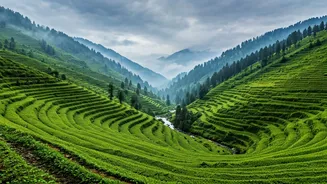


The Soul of the Riverfront
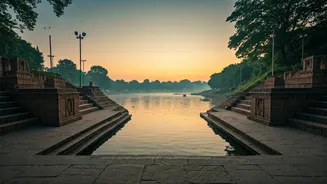
For many Americans, the word ‘ghat’ might be unfamiliar. Picture a series of stone steps descending into a sacred river, not for swimming, but for ceremony, contemplation, and connection to a rhythm of life that stretches back centuries. Found throughout
India, most famously along the Ganges in cities like Varanasi and Rishikesh, ghats are the beating heart of the riverfront. They are public spaces alive with the murmur of prayers, the scent of incense, and the gentle lapping of water. Unlike the predictable energy of a beach resort—defined by lounge chairs and tiki bars—the atmosphere here is one of participation in something ancient and ongoing. It’s an immersive experience, where the main attraction isn’t an activity you *do*, but a feeling you absorb. Couples are finding that sitting together on these steps at dawn, watching the city wake up, offers a form of intimacy that a candlelit dinner at a bustling resort simply cannot replicate.
From Party to Peace
The shift away from crowded, high-energy destinations reflects a deeper cultural change, accelerated by a collective global burnout. The pre-pandemic ideal of a vacation was often about maximizing excitement: more parties, more sightseeing, more everything. Today, the ultimate luxury is quiet. It’s the freedom from decision fatigue and the chance to mentally and spiritually reset. A beach vacation, with its underlying social pressures and commercialized environment, can often feel like an extension of the noise we’re trying to escape. In contrast, destinations centered around wellness and tranquility offer a genuine sanctuary. For couples, this search for peace becomes a shared goal. The experience isn't about escaping *from* each other into separate activities, but escaping *with* each other into a shared state of calm. The goal is no longer just to post a stunning photo, but to return home feeling genuinely restored.
The Search for Deeper Connection
Travel has always been a way for couples to connect, but the *way* they connect is evolving. The traditional beach holiday often emphasizes passive relaxation and individual pleasure. You read your book, they listen to their podcast, and you meet for a drink later. A trip centered on a place like a ghat fosters a different kind of bond. It’s active, shared discovery. It invites conversation about bigger things—life, spirituality, purpose. The environment itself is a prompt for reflection. Navigating a new culture, witnessing unfamiliar rituals, and stepping outside one’s comfort zone together builds a unique partnership narrative. This type of travel replaces fleeting fun with lasting memories built on mutual growth and understanding. It’s the difference between a vacation that distracts you from your life and one that enriches it.
A New Definition of Romance
Ultimately, the appeal of the ‘lush ghat’ over the ‘crowded beach’ is about a redefinition of romance itself. The cliché of romance is performative and often expensive—the champagne, the roses, the infinity pool. But what many couples are craving is something more authentic: shared presence. It’s the romance of quiet companionship, of watching the world go by without the need to speak, of experiencing something profound together that needs no filter or caption. This trend isn’t strictly about India, either. The ‘ghat’ is a symbol for any destination that offers depth over distraction. It could be a misty morning by a lake in the Adirondacks, a quiet cabin in the Blue Ridge Mountains, or a walk through an ancient European village. It’s a move toward travel that is less about where you are and more about how you feel while you’re there—together.