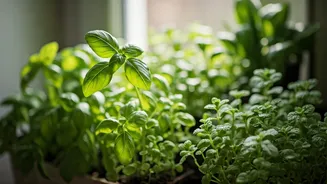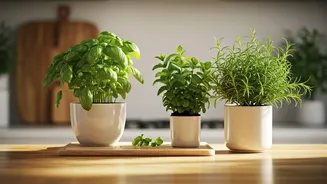



The Low-Light Dilemma
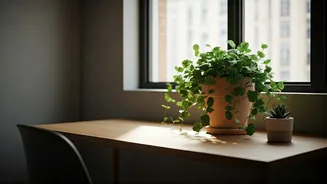
Anyone who has tried to grow more than a snake plant in a city apartment knows the struggle. You dream of harvesting your own basil for pasta or watching a fiddle-leaf fig thrive, but your reality is a north-facing window that gets, at best, a few hours
of indirect, grayish light. The result? Sad, etiolated (a fancy word for stretched and pale) plants that seem to be desperately reaching for a sun they’ll never find. Even a “sunny” windowsill is often a lie; buildings, trees, and the angle of the sun in winter conspire to block the consistent, powerful light that most food-producing and flowering plants crave. For decades, this light deficiency was the fundamental barrier that kept most urban gardening dreams confined to the hardiest, most shade-tolerant species. You could keep a plant alive, but helping one truly thrive was another story.
Sunlight in a Box
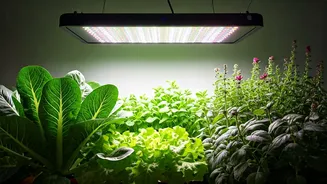
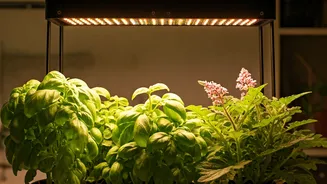
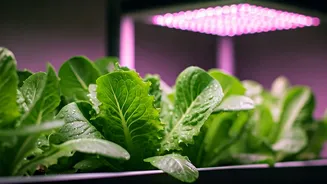
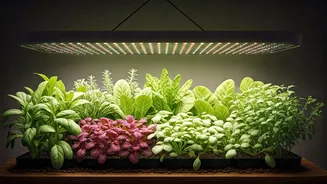
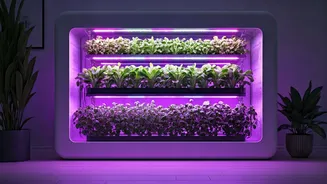
Enter the full-spectrum LED. This isn't your grandpa’s buzzing, heat-blasting fluorescent shop light or those eerie, purple-pink “blurple” lights that make your living room look like a sci-fi movie set. Full-spectrum LED technology is the game-changer because it’s designed to mimic the entire range of light that the sun provides—from blue and green to red and far-red wavelengths. Plants didn't evolve to use just one or two colors of light; they use different parts of the spectrum for different growth processes. Blue light, for example, encourages strong, leafy vegetative growth, while red light is crucial for flowering and fruiting. By providing a balanced diet of light that looks and feels like natural daylight (most appear as a clean, white light), these fixtures give plants exactly what they need to photosynthesize efficiently, indoors. It's less of a supplement and more of a complete replacement for the sun, turning any bookshelf, countertop, or dark corner into a viable plot of land.
How to Read the Label
This is the real “hack.” Just grabbing any lightbulb labeled “full-spectrum” isn’t enough. To avoid wasting money on a glorified desk lamp, you need to know two key terms. The first is PPFD (Photosynthetic Photon Flux Density), which measures the number of usable light particles hitting the plant’s surface. Think of it as the light’s intensity. Leafy greens and herbs need a PPFD of around 200-400, while fruiting plants like tomatoes or peppers need 600-900. A reputable manufacturer will provide these numbers or a chart showing the PPFD at different distances. The second is Color Temperature, measured in Kelvin (K). This tells you what the light looks like to the human eye. A light in the 5000-6500K range will appear as a bright, neutral white light, similar to daylight. This is not only great for plants but also means your indoor garden won't give you a headache or clash with your decor. Ignore vague terms like “watts” or “lumens,” which measure brightness for human eyes, not plant usage. Focus on PPFD and Kelvin, and you’ll be choosing a light like a pro.
Putting Your Light to Work
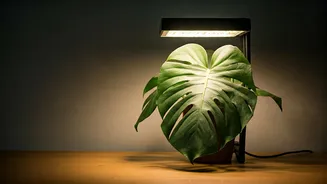
Once you have the right light, using it effectively is simple. The golden rule is consistency. Most edible plants need 12-16 hours of light per day. The easiest way to achieve this is with a simple outlet timer, a “set it and forget it” tool that will run you about ten dollars. This removes human error and ensures your plants get a reliable daily dose of light. The second rule is distance. Light intensity drops off dramatically the farther it gets from the source. For most LED fixtures, keeping the light 6-12 inches away from the top of your plants is a good starting point. As your plants grow taller, you’ll need to raise the light. Many fixtures come with adjustable hanging kits, but for a single pot, a gooseneck-style lamp can be a flexible and easy-to-position option. Don't worry about leaving it on 24/7; plants need a period of darkness to rest and respire, just like we need sleep.