




So, What Exactly Is Walking Yoga?
Walking yoga is less a formal style and more a mindful practice that fuses three powerful wellness tools: walking, yoga, and meditation. It’s not about contorting yourself into a pretzel while strolling through the park. Instead, it’s a fluid, meditative
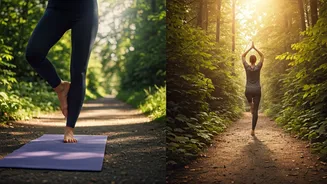
experience that integrates conscious breathing, mindful movement, and simple, standing yoga postures into a walk. Think of it as taking your yoga practice off the mat and into the world. The focus shifts from achieving the perfect pose to connecting with your breath, your body, and your surroundings. By synchronizing steps with inhales and exhales, the simple act of walking becomes a moving meditation, calming the nervous system and sharpening your awareness of the present moment.
The Antidote to 'Gymtimidation'
The traditional gym environment can be a breeding ground for anxiety. The mirrors, the performance-oriented culture, and the feeling of being watched can trigger what many call “gymtimidation.” Walking yoga directly counters these stressors. There are no mirrors, only the natural landscape. There is no complex equipment, only your body and the ground beneath your feet. The goal isn’t to lift heavier or run faster than the person next to you; the goal is simply to be present. This practice removes the element of external comparison and turns the focus inward. It champions feeling good over looking good. The combination of gentle physical activity, fresh air, and mindfulness has been shown to lower cortisol (the stress hormone) and increase feelings of well-being, making it a powerful tool for anyone who finds conventional fitness settings overwhelming.
The Core Components of the Practice
Walking yoga is built on a few simple, accessible pillars. First is pranayama, or breath control. This might involve inhaling for four steps and exhaling for four steps, creating a steady, calming rhythm. The second component is mindful walking. Instead of rushing from point A to B, you pay attention to the sensation of your feet hitting the earth, the way your arms swing, and the shifting of your weight. The final element is the integration of simple yoga asanas, or poses. You might pause your walk to stand in Mountain Pose (Tadasana), feeling rooted and tall. You could find a tree for support in a modified Tree Pose (Vrksasana), or gently stretch your hamstrings with a standing forward bend. These aren't interruptions to the workout; they are part of the mindful flow, allowing you to stretch and reconnect before continuing your journey.
How to Start Your First Walk
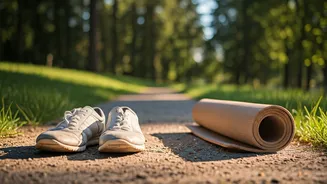
Getting started is simple and requires no special gear beyond comfortable shoes. Find a quiet, safe place like a park, a trail, or even a peaceful neighborhood block. Before you start moving, stand for a moment. Take three deep, conscious breaths, inhaling through your nose and exhaling slowly through your mouth. Begin to walk at a natural pace. Try to sync your breath with your steps—perhaps inhaling for three steps and exhaling for three. After five minutes of this rhythmic walking, find a spot to pause. Try a simple standing stretch, like reaching your arms overhead. Continue your walk, alternating between mindful striding and brief pauses for simple postures. Let your intuition guide you. There’s no right or wrong way to do it. The only objective is to move in a way that feels restorative and joyful for you.