


The Land of the Rain Shadow
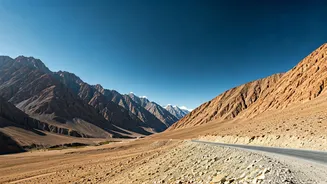
Ever heard of a rain shadow? It's a place that’s dry because a massive mountain range blocks all the wet weather from reaching it. That’s Ladakh in a nutshell. While the rest of the Indian subcontinent gets its annual soaking from June to September, the towering
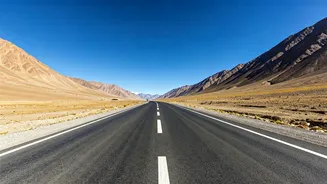
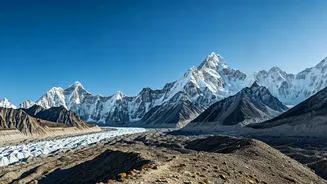
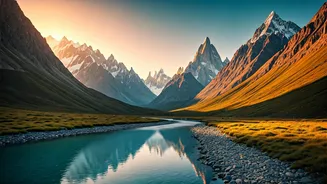
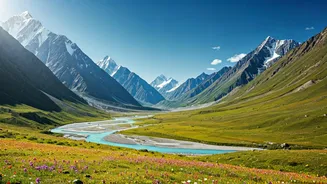
Himalayas act as a colossal barrier, leaving Ladakh arid, sunny, and perfect for travel. This geographical quirk makes it one of the planet's most unique destinations—a cold desert perched over 10,000 feet above sea level. Instead of canceled plans and muddy trails, you get brilliant blue skies set against a backdrop of barren, multi-hued mountains. It’s not just an escape from the rain; it's an entry into a completely different ecosystem, a slice of Tibet preserved in India.
Otherworldly Valleys and Lakes
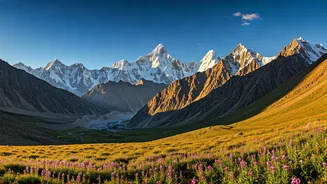
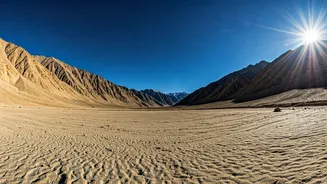
Ladakh’s landscapes are the stuff of sci-fi films. The journey itself is part of the adventure, involving drives over some of the world's highest motorable passes. Cross the Khardung La pass and you descend into the Nubra Valley, a surreal high-altitude desert where sand dunes meet snow-capped peaks and Bactrian camels (the two-humped kind) roam freely. The valley’s Diskit Monastery, with its giant Maitreya Buddha statue overlooking the plains, is a sight to behold. Then there's Pangong Tso, a mesmerizing saltwater lake that stretches for over 80 miles into Tibet. Its waters shift from turquoise to deep indigo throughout the day, creating a hypnotic effect against the stark, mineral-rich mountains that surround it. Camping near its shores under a blanket of stars is an unforgettable experience.
A Living Buddhist Kingdom
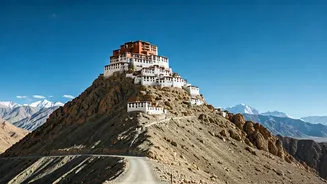
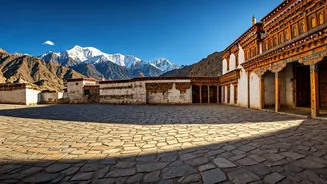
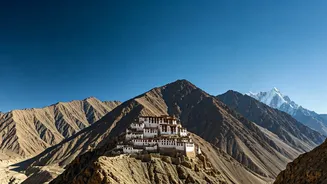
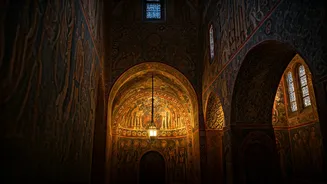
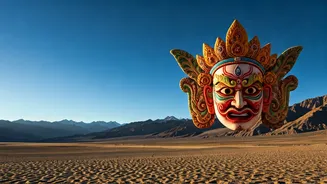
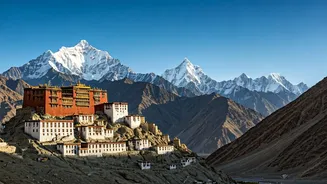
Ladakh's culture is as dramatic as its scenery. Often called 'Little Tibet,' it is one of the last places on earth where traditional Tibetan Buddhist culture remains vibrant and accessible. The landscape is dotted with ancient monasteries, or 'gompas,' clinging precariously to cliffs and hilltops. Places like Thiksey Monastery, a stunning complex resembling the Potala Palace in Lhasa, and Hemis, the region’s largest monastery, aren't just historical relics; they are living, breathing centers of faith. You can hear the low hum of monks chanting, see young novices in training, and witness colorful festivals with masked dances that have been performed for centuries. The endless strings of prayer flags fluttering in the wind and the ubiquitous 'stupas' (dome-shaped Buddhist shrines) contribute to a profound sense of peace and spirituality.
Adventure at a Higher Altitude
For the adventurous soul, Ladakh is a world-class playground. The thin, crisp air and rugged terrain are perfect for trekking, with routes ranging from moderate day hikes to multi-week expeditions through remote valleys. The 'Chadar Trek' on the frozen Zanskar River in winter is legendary, but summer offers countless trails with breathtaking views. Beyond hiking, you can go white-water rafting on the Zanskar and Indus rivers, with rapids cutting through dramatic gorges. Mountain biking down high passes provides an adrenaline rush unlike any other. Even just driving the winding mountain roads feels like an expedition. The challenge here isn't just physical; it’s the altitude, which adds a unique dimension to every activity and rewards you with a feeling of true accomplishment.
How to Do It Right
Getting to Ladakh and enjoying it safely requires some planning. The easiest way is to fly directly into Leh, the region's main town. But here's the most important rule: you must acclimatize. Leh sits at about 11,500 feet, and jumping straight into activity is a recipe for altitude sickness. Plan to do absolutely nothing for the first 24 to 48 hours. Drink tons of water, avoid alcohol, and let your body adjust to the thin air. The best time to visit is from June to September, when the weather is ideal and the mountain passes are open. You can hire a local driver and car in Leh to explore the valleys and monasteries, which is the most common and convenient way to get around. Pack layers—the sun is intense, but temperatures drop quickly once it sets.