



From Opulence to Hibernation
For decades, the world’s best hotels competed on extravagance. They offered Michelin-starred dining, infinity pools with skyline views, and concierges who could secure impossible reservations. While those perks haven't vanished, a significant pivot is underway.
The new frontier of five-star service isn't about stimulation; it's about sedation. High-end hospitality is doubling down on rest, transforming the humble hotel room into a high-tech sanctuary engineered for deep, restorative sleep. This goes far beyond a comfortable mattress and a chocolate on the pillow. We're talking about a fundamental shift where the primary goal of a stay is not just to see a new city, but to emerge from your room feeling fundamentally recharged. The hotel isn't just a base for exploration anymore; for many guests, the hotel *is* the destination, and sleep is the main event.
The New Amenities of Sleep
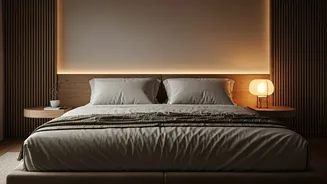
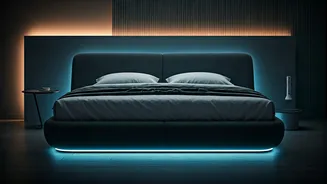
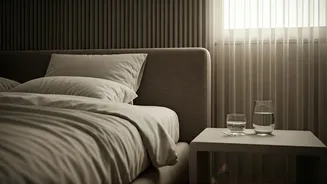
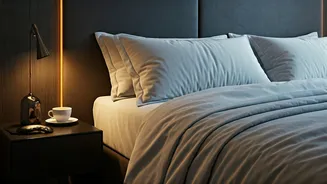
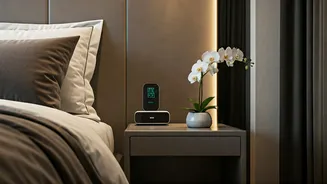
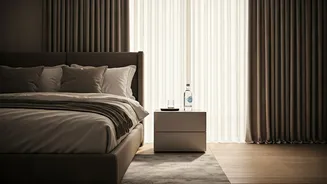
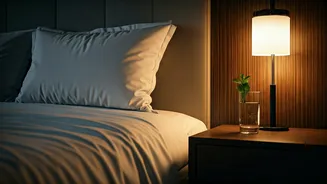
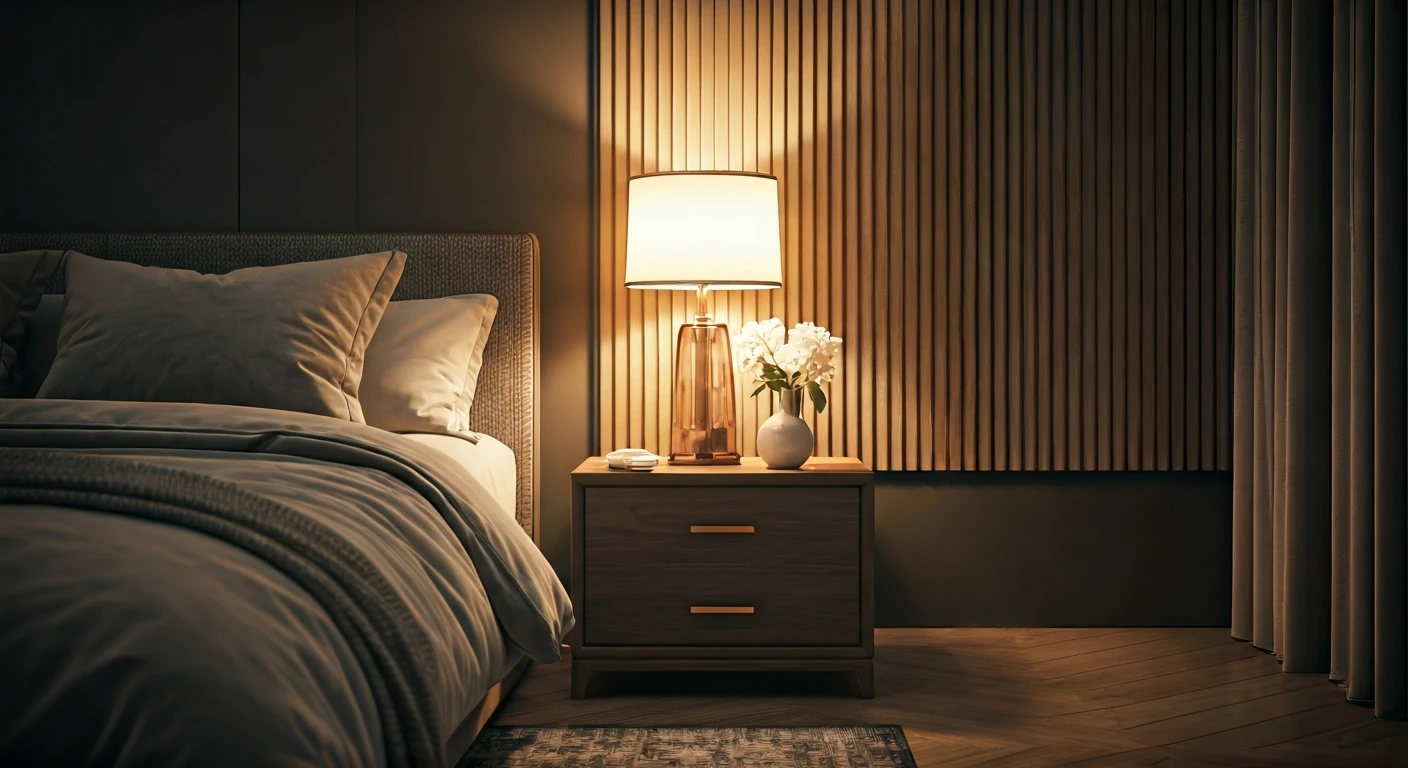
So, what does a sleep-centric hotel experience actually look like? At hotels like the Park Hyatt New York and the Equinox Hotel in Hudson Yards, it’s a suite of services that sound like they’re from a sci-fi novel. Guests can consult with on-demand sleep coaches who analyze their habits. Rooms are often fully soundproofed and feature blackout blinds that create a pitch-black, cave-like environment. The amenities arms race has moved to the bedroom. High-end properties are offering extensive "pillow menus" with options for every type of sleeper. Many are installing dynamic circadian lighting systems that mimic the natural progression of sunlight to help regulate your body clock. The centerpiece is often the bed itself. Brands are partnering with companies like Bryte, which produces an AI-powered mattress that adjusts its firmness and temperature throughout the night in response to your sleep cycles. Others offer curated bedtime rituals, from aromatherapy diffusers with calming lavender scents to in-room guided meditations and CBD-infused teas.
Why We're Suddenly So Tired
This trend didn't emerge in a vacuum. It’s a direct response to a collectively exhausted society. The pressures of "hustle culture," the relentless connectivity of our digital lives, and the lingering mental toll of the pandemic have left millions of Americans chronically sleep-deprived and stressed. According to the CDC, more than a third of American adults are not getting enough sleep on a regular basis. This has fueled the rise of the multi-billion-dollar "sleep economy," a market encompassing everything from weighted blankets and white noise machines to sleep-tracking apps and supplements. Luxury hotels, always attuned to the desires of their clientele, recognized that what their high-achieving, high-stress guests craved most wasn't another bottle of expensive wine, but a guaranteed eight hours of uninterrupted rest. A vacation is no longer just an escape from work; it's a strategic intervention to recover from it.
Is Rest the Ultimate Status Symbol?
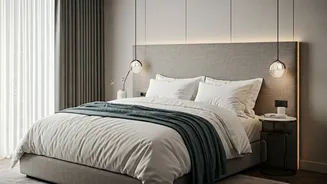
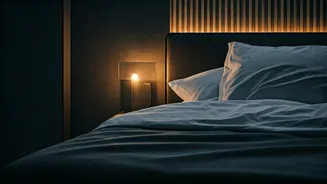
In a world that never stops, the ability to truly disconnect has become the ultimate luxury. Checking into a hotel with a dedicated "sleep program" is more than just a wellness choice; it's a status symbol. It signals that you have the resources and the foresight to invest in your own recovery. Where travelers once posted photos of exotic excursions or lavish meals, the new aspirational content might be a snapshot of a serene, minimalist hotel room designed for tranquility. This movement redefines what it means to "get away from it all." It suggests that the most valuable part of a trip isn't what you do, but what you *don't* do: no frantic sightseeing, no late-night obligations, no pressure to be productive. The sole objective is to rest, and hotels are now building their entire brand promise around facilitating that goal. It’s a quiet revolution in travel, where the most memorable part of your stay might just be a perfect night's sleep.