


The Slow Death of the Dinner Plan
For decades, the pinnacle of dining out was the reservation. It was a mark of status, a sign that you were organized and in-the-know enough to secure a table at a place worth planning for. The process was a formal dance: call the restaurant, hope for a reasonable
time, and lock it into your calendar like a dentist's appointment. But in the post-pandemic, hyper-digital world, that rigidity feels increasingly out of touch. The friction of planning—the group chat debates, the cancellation fees, the pressure to make a pre-planned evening 'worth it'—has started to outweigh the appeal. We’ve grown accustomed to on-demand everything, from movies to transportation, and our patience for the old, structured way of eating out is wearing thin. Spontaneity is the new luxury, and a rigid 8:15 p.m. seating just doesn’t fit into a life that values flexibility above all.
Enter the Digital Food Rave
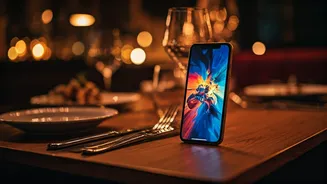
So, if not a meticulous plan, then what? The answer is scrolling through your phone. The 'food rave' isn’t a formal review; it’s a visceral, enthusiastic, and often amateur endorsement that feels more authentic than a critic's star rating. It’s a 30-second TikTok of a cheese pull that speaks a thousand words. It’s an Instagram story showing a line snaking around the block for a limited-edition croissant. This is discovery, not planning. The new tastemakers aren't critics with established credentials but everyday people whose genuine excitement is contagious. They give you the crucial information—what to order, the vibe, the price point—without the pretense. This shift has democratized food hype. A food truck with a phenomenal birria taco or a hole-in-the-wall bakery with a perfect scone can achieve overnight fame, completely bypassing the traditional media machine. The goal is no longer to get into the most exclusive restaurant, but to find the most raved-about bite.
The Economics of a Vibe
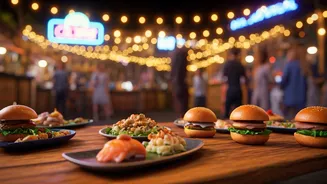
This isn't just a cultural shift; it's an economic one. As prices for everything rise, the value proposition of a formal, multi-course meal has come under scrutiny. Younger diners, in particular, are making careful calculations about their discretionary spending. A $200 tasting menu for two is a major commitment. In contrast, spending $15 on a viral smash burger or a perfectly crafted espresso drink feels like an accessible indulgence. It delivers a dopamine hit and a shareable social media moment for a fraction of the cost and commitment. This is the new 'bang for your buck.' It’s less about the total cost and more about the perceived return on investment—in flavor, in experience, and in cultural currency. A rave-worthy dish offers a story and a social token. A stuffy, overpriced meal just offers a bill.
How Restaurants Are Adapting
Smart restaurant owners aren't mourning the decline of the reservation book; they're leaning into the rave. Many are realizing that a single, viral video can be more powerful than a full-page ad. They’re designing spaces and dishes with a phone camera in mind—not just for aesthetics, but to encourage user-generated marketing. Some are scrapping reservations altogether in favor of a more casual, walk-in-friendly model that thrives on buzz and a constant flow of new faces. Others are using pop-ups and collaborations to generate excitement and test new concepts without the overhead of a permanent space. The focus is shifting from exclusivity and gatekeeping to accessibility and shareability. The restaurateurs who understand that they are in the business of creating experiences people want to rave about are the ones who will thrive in this new landscape.