




More Than Just a Walk
The numbers don't lie. Pet ownership has soared, with nearly 70% of U.S. households now home to at least one pet. The pandemic accelerated this trend, and as Americans rediscovered the great outdoors, they decided their best friends shouldn't be left
behind. This isn't just about exercise; it's about what experts call 'pet humanization'—treating our animals as full-fledged family members who deserve enrichment, adventure, and quality time. A hike offers mental stimulation for a dog that a walk around the block can’t match, with new smells, sights, and sounds. For owners, it’s a chance to de-stress and deepen the bond with their companion, creating memories far from the pressures of a busy life.
Know Where to Go
Before you and your furry friend lace up your boots (and paws), it's crucial to know the rules of the trail, which can vary dramatically. Many hikers are surprised to learn that most U.S. National Parks have strict limitations, often confining pets to paved roads, parking lots, and specific campgrounds. For true off-leash freedom and trail access, your best bets are often National Forests and Bureau of Land Management (BLM) areas, which typically offer thousands of miles of dog-friendly terrain. State and local parks are a mixed bag; some are exceptionally welcoming, while others have blanket prohibitions. Always check the specific park or forest website for their most current pet policy before you even get in the car.
Gear Up Your Good Boy (or Girl)
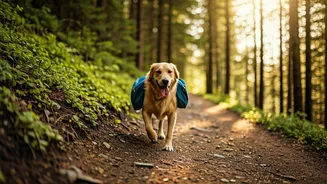
A successful hike is a safe hike, and that means packing for two. Your dog’s needs on the trail go beyond a simple leash. Think of it as their own mini daypack. Must-haves include: * **Water and a Bowl:** Dogs can't sweat to cool down and are susceptible to dehydration. Bring more water than you think you’ll need and a collapsible, lightweight bowl for easy drinking. * **Leash and Harness:** Even if your dog has perfect recall, most trails require them to be leashed. A sturdy, 6-foot leash and a comfortable harness that doesn't restrict movement are ideal. * **Waste Bags:** This is non-negotiable. 'Leave No Trace' means packing out everything, including pet waste. Tie it to the outside of your pack—don’t leave it on the trailside to 'pick up later.' * **Paw Protection:** Hot pavement, sharp rocks, and thorny brush can wreak havoc on paws. Consider dog booties for rough terrain or a protective wax balm. A small pet-first-aid kit is also a wise addition.
Mastering Trailside Manners
Being a responsible pet owner on the trail ensures these spaces remain open to dogs for years to come. The National Park Service promotes a simple acronym: B.A.R.K. * **B**ag your pet’s waste. * **A**lways leash your pet. * **R**espect wildlife (keep a safe distance and prevent your dog from chasing). * **K**now where you can go (stick to designated pet-friendly trails). Beyond that, general trail etiquette applies. When encountering other hikers, keep your dog close on a short leash and step aside to let them pass, especially on narrow trails. Announce your presence when approaching from behind, and never assume everyone is comfortable with dogs, even friendly ones.
Finding Your Perfect Adventure
The beauty of dog-friendly hiking is that there’s a trail for every team. Apps like AllTrails and BringFido are invaluable resources, allowing you to filter searches specifically for 'dog-friendly' trails and read recent user reports. When starting out, look for trails with moderate elevation gain and length. Access to water, like a creek or lake, is a huge bonus, providing a natural way for your pup to cool off. Shaded forest trails are perfect for summer, while wide-open fire roads can be great for winter hikes when you want to soak up the sun. The goal is to build confidence and stamina—for both of you—one happy trail at a time.