
The Great Greige Fade-Out
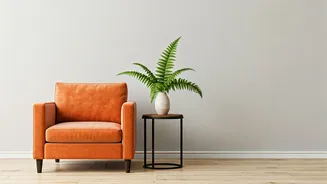
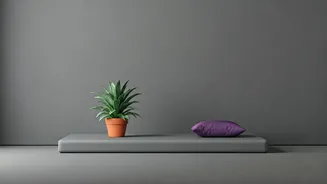
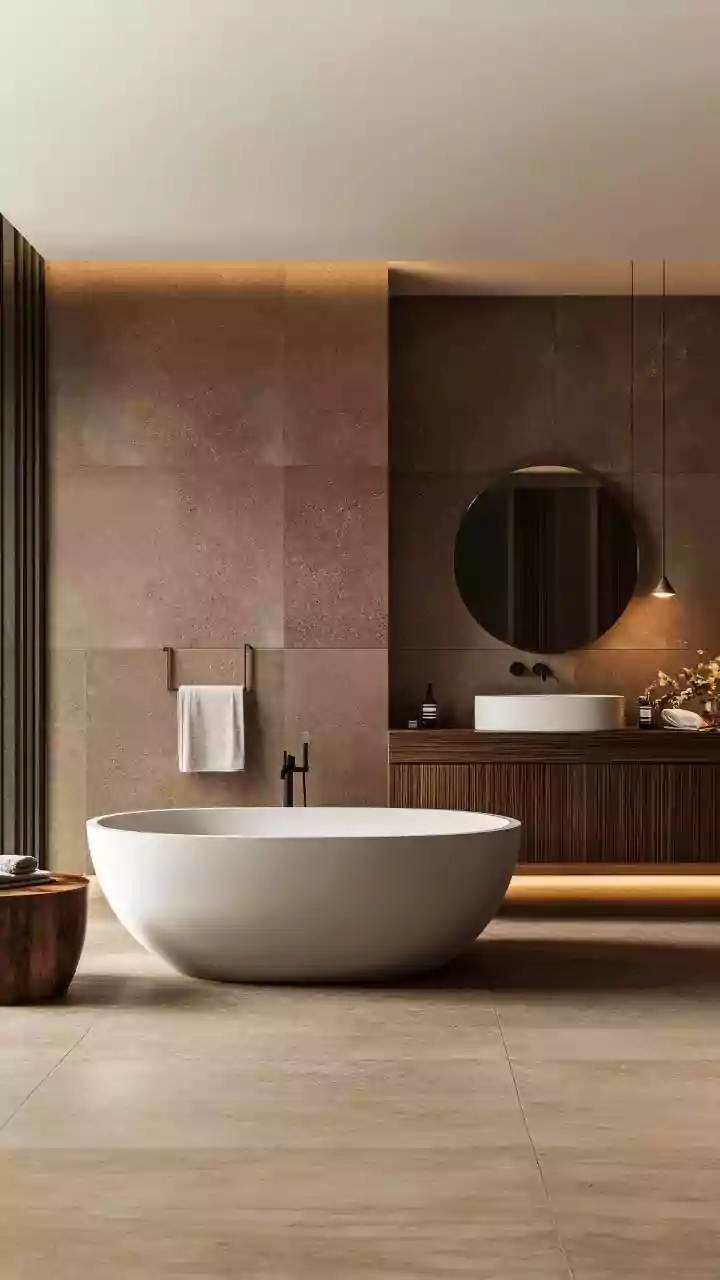
Remember the all-gray living room? The beige-on-beige bedroom? For the better part of a decade, the pinnacle of interior design aspiration was a space that looked like it had been run through a tasteful, low-saturation Instagram filter. Driven by the modern
farmhouse craze and the ubiquity of Scandinavian minimalism, a specific aesthetic took hold: clean lines, neutral palettes, and a conspicuous lack of personal clutter. Every throw pillow was karate-chopped, every coffee table book was artfully stacked, and every surface was impeccably clear. This polished blandness had its appeal. It felt calm, clean, and controllably chic. It was a safe bet, easy to replicate, and guaranteed to look sophisticated in photos. But for many, the pressure to maintain this pristine environment began to feel less like a comfort and more like a chore. Homes started to look like showrooms or rental properties, scrubbed of the happy, messy evidence of the lives being lived within them. The pursuit of perfection left little room for personality, quirkiness, or spontaneous joy.
An Appetite for Dopamine Decor
So, what changed? In short, we did. The collective experience of spending more time at home than ever before shifted our priorities. Our spaces became our sanctuaries, offices, and gyms, and we started craving environments that didn't just look good, but felt good. Enter “dopamine decor,” the design equivalent of wearing your brightest, happiest outfit. It’s a trend focused on using color, texture, and shape to actively boost your mood. This isn't just about painting a wall yellow. It’s a psychological rebellion against aesthetic sameness. After years of staring at the same four (probably beige) walls, people are eager to express themselves and surround themselves with things that bring a smile to their face. It’s a departure from designing for a hypothetical future buyer or for social media approval, and a return to designing for the person who actually lives there: you. The rise of TikTok and a Gen Z sensibility that prizes authenticity over curation has only accelerated this shift, celebrating unique, even “weird,” personal style.
What 'Playful' Actually Looks Like
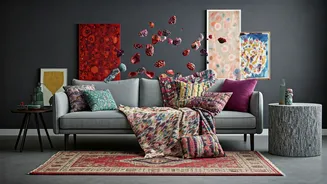
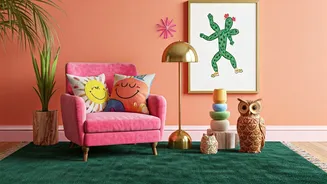
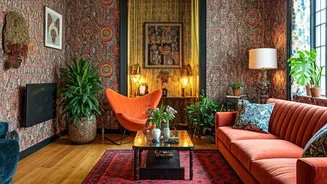
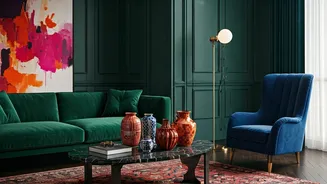
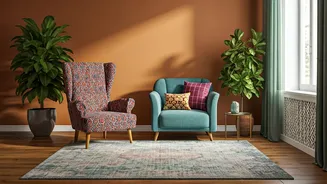
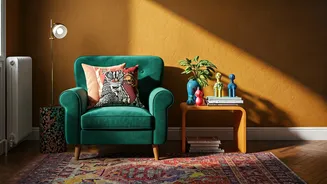
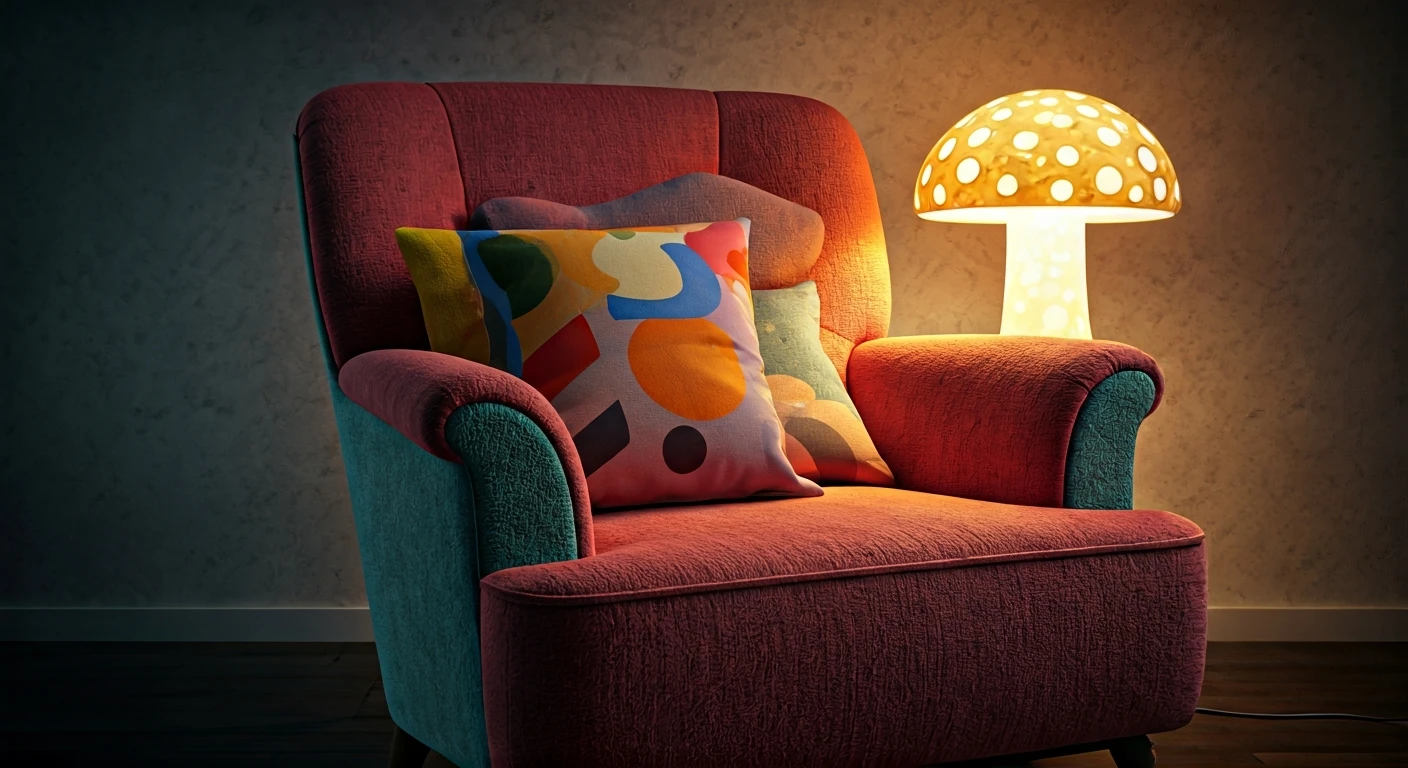
Playful decor is less a strict set of rules and more a joyful mindset. It’s about embracing the unexpected and finding delight in the details. Instead of sharp, rigid lines, you’ll see soft, biomorphic curves—think wavy mirrors, cloud-like sofas, and kidney-bean-shaped coffee tables. Color is back in a big way, but not just as a single accent wall. We’re seeing bold, saturated color-blocking, cheerful pastels, and rich jewel tones used with confidence. Pattern and nostalgia also play a huge role. Checkered rugs, gingham textiles, and scalloped edges are everywhere, evoking a sense of retro fun. Motifs that feel slightly whimsical, like mushrooms, smiley faces, and shell shapes, are popping up on everything from lamps to coasters. The key is a curated-but-not-sterile mix. It’s about layering textures, combining vintage finds with modern pieces, and proudly displaying art and objects that tell a personal story, even if they don't perfectly “match.”
How to Start Playing at Home
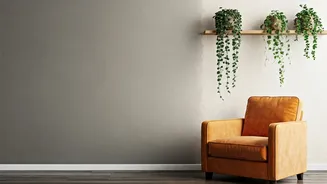
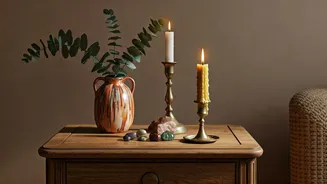
Jumping from minimalist neutral to full-blown maximalism can feel intimidating. The good news is you don’t have to get rid of everything and start over. The spirit of playful decor is about adding, not just replacing. Start small with accessories that pack a punch. Swap out your standard beige throw pillows for ones with a bold geometric pattern or a quirky texture like boucle or velvet. Introduce a single piece of furniture in a vibrant color, like a cobalt blue armchair or a mustard yellow side table. Lighting is another easy place to experiment; a funky, sculptural table lamp can change the entire mood of a corner. Hang art that you genuinely love, not just what you think is “supposed” to go over a sofa. Even something as simple as a set of colorful tapered candles or a vase in an unexpected shape can inject a dose of personality and fun.