






1. Master the Power Outage Plan
Monsoon storms are notorious for causing power outages. When your refrigerator and freezer lose power, you’re on the clock. A full freezer will keep its temperature for about 48 hours if the door remains closed (24 hours if it’s half-full). A refrigerator will only
keep food safe for about four hours. Your best defense is preparation. Keep appliance thermometers in both your fridge and freezer to ensure they are at or below 40°F and 0°F, respectively. When the power goes out, note the time. Avoid opening the doors. Once power is restored, use the thermometer to check the temperatures. According to the USDA, any perishable food (like meat, poultry, fish, eggs, and leftovers) that has been above 40°F for two hours or more should be discarded.
2. Fight Back Against Humidity
The defining feature of monsoon season is the spike in humidity, which is a major catalyst for mold and bacterial growth. Dry goods that are normally fine on the counter can spoil faster. Breads, pastries, and even some fruits are particularly vulnerable. Store bread in the refrigerator or freezer to prevent it from quickly developing mold. Keep dry goods like flour, crackers, and cereals in airtight containers to lock out moisture. Regularly wipe down your pantry shelves and countertops with a cleaning solution to prevent mold spores from taking hold in the damp, warm environment of your kitchen.
3. Handle Fresh Produce with Extra Care
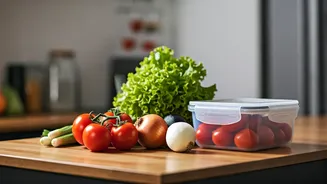
Locally sourced produce is wonderful, but heavy rains can increase the risk of fruits and vegetables being contaminated with bacteria from runoff. Always wash fresh produce thoroughly under running water, even if you plan to peel it, as bacteria can transfer from the knife to the flesh. For items with firm skins like melons or cucumbers, use a clean vegetable brush. Pay close attention to leafy greens, which can trap contaminated soil. Soaking them in a clean bowl of water can help dislodge dirt, followed by a final rinse. Proper washing is your first and best line of defense against pathogens that thrive in wet conditions.
4. Keep Your Water Supply Safe
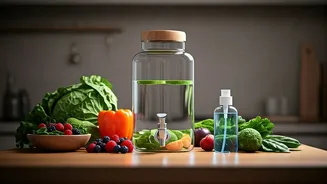
Heavy rainfall can lead to flooding, which has the potential to contaminate municipal water supplies or private wells. If your area is under a "boil water" advisory, take it seriously for all consumption, including drinking, cooking, making ice, and brushing your teeth. To be safe, bring water to a rolling boil for at least one full minute. If you rely on a private well, it’s wise to have your water tested for coliform bacteria annually, and especially after any significant flooding events near the wellhead. Keeping a supply of bottled water on hand is a smart, simple prep for any storm season.
5. Re-Think Food Storage and Leftovers
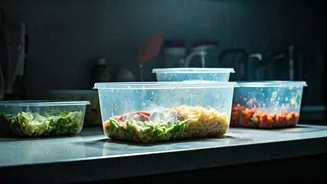
Heat and humidity mean the "danger zone" for food (between 40°F and 140°F) is easier to reach and maintain. Bacteria can double in number in as little as 20 minutes in these conditions. Be extra vigilant about not leaving perishable food out on the counter. Cool leftovers quickly by dividing large amounts into shallow containers before refrigerating; this helps them cool down faster and more evenly. When reheating leftovers, ensure they reach an internal temperature of 165°F to kill any bacteria that may have developed during storage. During monsoon season, the old two-hour rule for leaving food out should be considered a hard maximum, and if it’s over 90°F, the USDA shortens that window to just one hour.
6. Grill Smart, Not Sorry
Grilling is a summer staple, but monsoon weather adds a few wrinkles. If you’re cooking outside between downpours, keep raw and cooked meats separate on different plates with different utensils to avoid cross-contamination, a risk that’s heightened when you’re rushing to beat the rain. Always use a food thermometer to ensure meats are cooked to a safe internal temperature—145°F for whole cuts of beef, pork, and fish; 160°F for ground meats; and 165°F for all poultry. Don’t just eyeball it, especially in the shifting light of a stormy evening. Once food is cooked, bring it inside immediately rather than letting it sit out in the warm, humid air.