





1. Understand the Real Risk
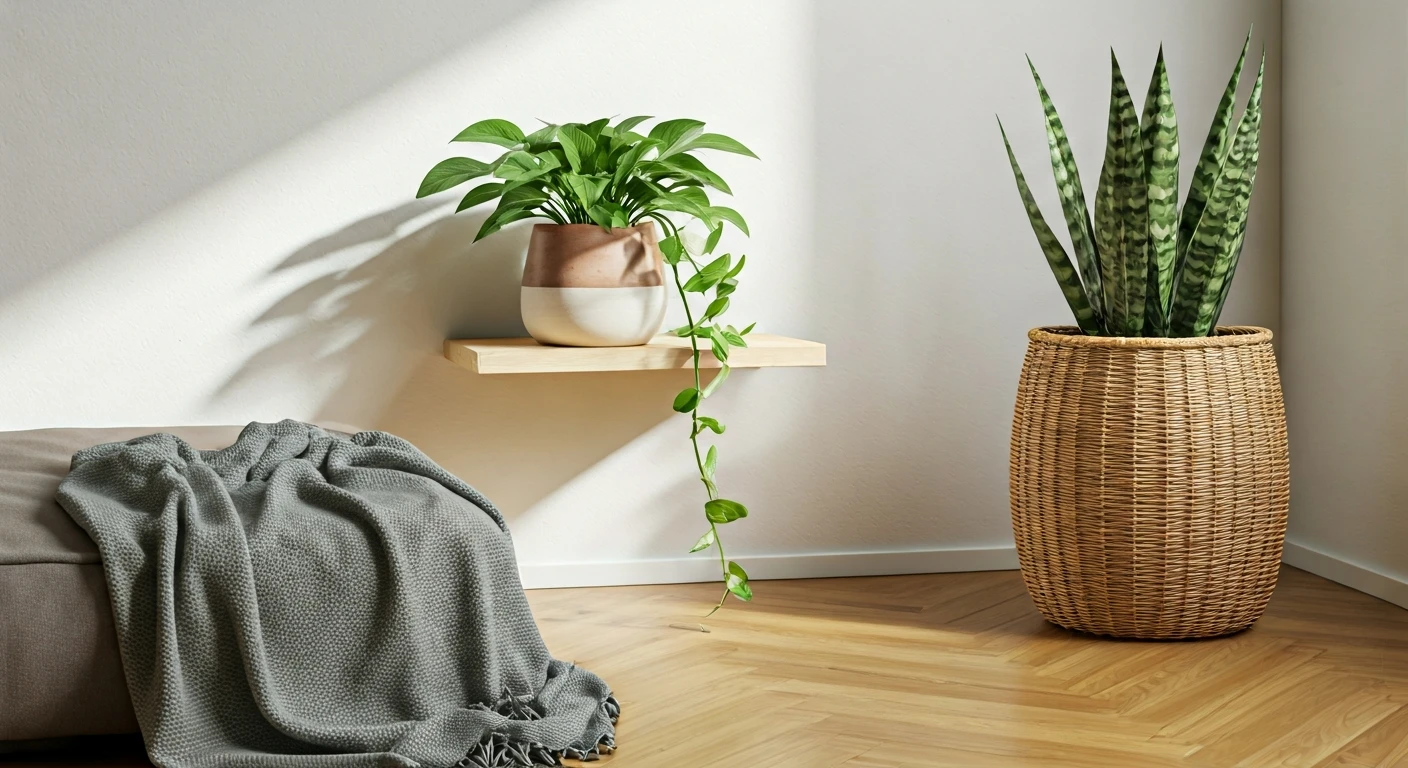
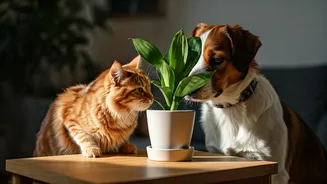
It’s not just an old wives' tale; many common houseplants are genuinely toxic to cats and dogs. The danger isn't always dramatic, but it's real. Some plants, like the popular Snake Plant or Pothos, contain compounds that cause oral irritation, intense
burning, and vomiting if chewed. Others are far more sinister. Lilies (all parts of the plant, including the pollen and water in the vase) are extremely toxic to cats and can cause swift, irreversible kidney failure. Similarly, the Sago Palm is highly poisonous to dogs, potentially leading to liver failure and death. The first step in creating a safe environment is acknowledging that your beautiful Monstera or Dieffenbachia could pose a significant threat to your four-legged family member.
2. Conduct a Pet-Safety Plant Audit
Before you buy another pot, take stock of what you already own. Go through your home and identify every single plant. If you’re not sure what something is, use a plant identification app or take a photo to your local nursery. Once you have a list, it's time to cross-reference it for toxicity. The ASPCA’s website maintains an exhaustive and searchable database of plants that are toxic and non-toxic to dogs, cats, and horses. It’s the gold standard for pet parents. Be ruthless in this step. If a plant is identified as toxic, the safest course of action is to remove it from your home entirely. Gifting it to a pet-free friend is a great option.
3. Curate a Collection of Safe, Stylish Greens
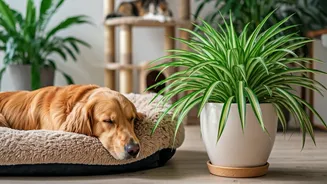
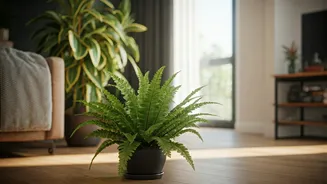
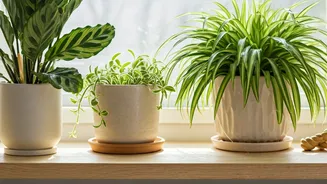
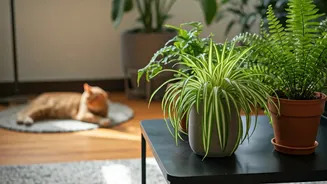
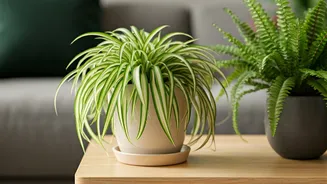
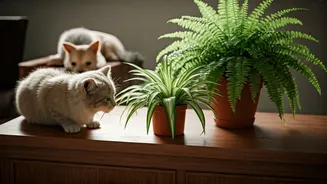
The good news is that you don't have to give up on your urban jungle dreams. There is a vast and beautiful world of pet-safe houseplants to explore. Many of the most popular and aesthetically pleasing plants are completely harmless. Consider the elegant fronds of a Boston Fern, the vibrant patterns of a Calathea (also known as a Prayer Plant), or the quirky, cascading leaves of a Spider Plant. The Ponytail Palm, Money Tree, and African Violet are also excellent, non-toxic choices that add texture and life to any space. Focusing your collection on these safe alternatives means you can enjoy the beauty of nature indoors without the constant worry.
4. Get Creative with Placement and Barriers
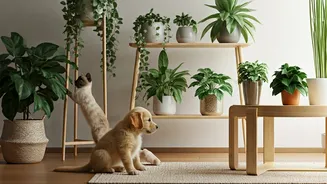
Even with non-toxic plants, you may want to discourage your pets from turning them into a personal salad bar. This is where strategic placement comes in. Think vertically. Use hanging planters to keep vines and leaves well out of reach of curious paws. Install high shelving dedicated solely to your plant collection, creating a visual centerpiece that is safely above the fray. If you have a particularly persistent pet, you might consider clustering your plants in a room where the door can be closed when you're not around to supervise. For larger floor plants, decorative cloches or wire plant protectors can create a physical barrier that looks intentional and stylish while keeping your pet at bay.
5. Know the Warning Signs and When to Act
Accidents can still happen. Whether your pet nibbles a plant at a friend's house or gets into something you missed, it’s crucial to know the signs of plant toxicity. Symptoms can range from mild to severe and include drooling, vomiting, diarrhea, difficulty swallowing, lethargy, and in serious cases, seizures or collapse. If you suspect your pet has ingested a toxic plant, don't wait. Immediately call your veterinarian or the ASPCA Animal Poison Control Center at (888) 426-4435. (A consultation fee may apply.) Be prepared to tell them what kind of plant your pet ate, how much they consumed, and what symptoms they are exhibiting. Acting quickly can make all the difference.