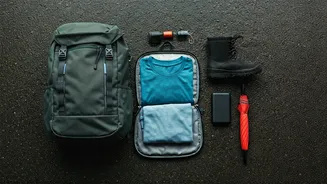



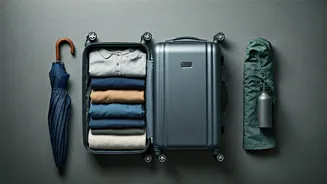
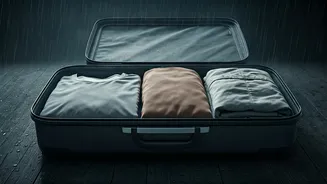
1. It's All About the Fabric
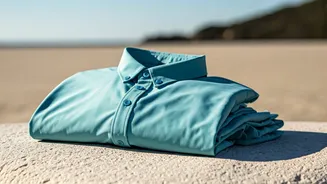
The single biggest upgrade to monsoon packing is a shift in fabric philosophy. For decades, the answer was 'anything but cotton,' but the new rule is more specific: embrace merino wool and high-tech synthetics. Unlike cotton, which absorbs moisture and takes
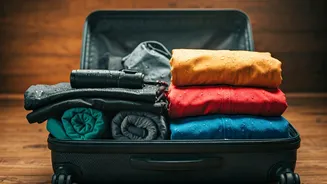
forever to dry, merino wool is a natural miracle worker. It wicks moisture away from your skin, stays warm even when damp, and is naturally odor-resistant. This means you can wear a merino shirt for multiple days in high humidity without it developing that dreaded travel funk. Modern polyesters and nylons blended with spandex are also excellent choices. They are lightweight, pack down to almost nothing, and can often dry in a few hours when hung in a hotel room, even without direct sun. Ditching cotton isn't just a suggestion anymore; it's the foundation of a smart, comfortable trip.
2. Rethink Your Rain Shell
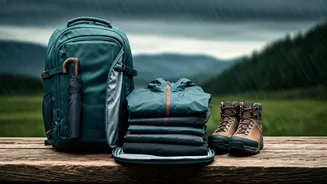
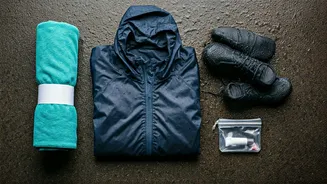
The days of the clammy, suffocating poncho or the heavy-duty raincoat are over. Modern rain shells are marvels of material science, designed to be both waterproof and breathable. Look for jackets with membrane technology like Gore-Tex, eVent, or a brand’s proprietary equivalent. The key is 'breathability.' A cheap plastic jacket will keep rain out, but it will also trap all your body heat and sweat, leaving you soaked from the inside. A good shell allows that moisture vapor to escape while blocking water droplets from coming in. These jackets are also incredibly lightweight and packable, often compressing into their own pocket. You get full storm protection without sacrificing comfort or valuable luggage space.
3. Your Footwear Will Make or Break You
Wet feet are the fastest way to ruin a travel day. The smartest approach to monsoon footwear is a two-pronged attack. First, invest in a pair of high-quality, water-friendly sandals with secure straps and excellent grip—think brands like Chaco, Keen, or Teva. These are perfect for walking through downpours, navigating flooded streets, or visiting temples where you need to remove your shoes frequently. They protect your feet, provide support, and dry quickly. Second, for longer treks or cooler evenings, pack a pair of non-waterproof, quick-drying trail runners made with mesh uppers. Waterproof hiking boots sound like a good idea, but once water gets inside (and it eventually will), they become water-logged buckets that take days to dry and can lead to blisters and foot rot. A breathable mesh shoe, paired with merino wool socks, will get wet but will also dry out far more quickly.
4. The Dry Bag is Non-Negotiable
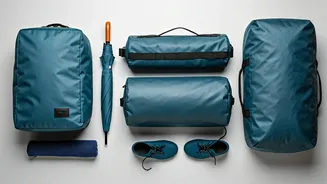
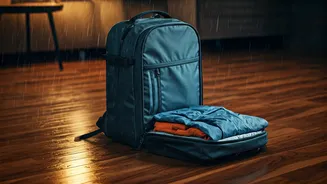
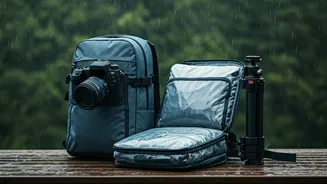
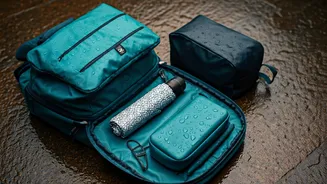
Your backpack might be 'water-resistant,' but that means very little in a torrential tropical downpour. A dry bag is the single most important piece of gear for protecting your valuables. These simple roll-top bags are completely waterproof, ensuring your passport, phone, camera, and extra cash stay bone dry, no matter what. You don’t need a massive one; a small 5- to 10-liter bag is usually sufficient to hold your essential electronics and documents. You can toss this small bag inside your main backpack for total peace of mind. Some travelers even use a few smaller dry bags to compartmentalize their pack, separating wet clothes from dry ones and protecting their gear all at once. They are inexpensive, lightweight, and provide absolute security against the elements.
5. Adopt a Minimalist, Anti-Mildew Mindset
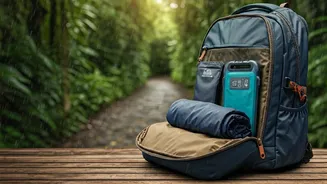
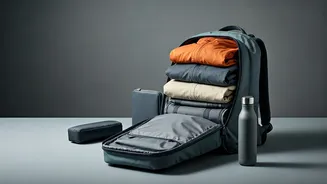
The final piece of the smart packing puzzle is a mental shift. In a humid environment, everything you own is fighting a battle against mildew. The solution is to pack less, but better. Choose versatile pieces that can be layered and worn for multiple days thanks to their quick-dry, anti-microbial properties. Instead of five cotton t-shirts, pack two made of merino wool. Instead of bulky jeans, opt for one pair of synthetic, quick-dry travel pants. This minimalist approach not only lightens your load but also makes laundry less of a chore. A smaller, well-curated wardrobe of high-performance items is easier to manage, keep dry, and keep fresh. Bring a few resealable compression bags to isolate any damp clothing from the rest of your pack until you can properly dry it.