






First, Where is Maharashtra?
Before we talk about the weather, let's get our bearings. Think of Maharashtra as India’s answer to California or Texas—a massive, economically vital state on the country’s west coast. It’s home to over 125 million people and, crucially for context, the city
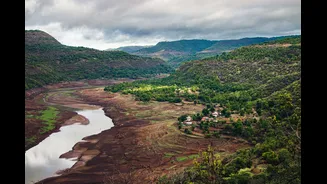
of Mumbai. Known to many Americans as Bombay, Mumbai is India’s financial capital, the heart of the Bollywood film industry, and a sprawling coastal megacity. The state itself is geographically diverse, featuring a long coastline, a high-altitude plateau, and a critical mountain range called the Western Ghats that runs parallel to the coast. It’s in these mountains, and the cities at their feet, where the monsoon’s drama truly unfolds.
The Monsoon: More Than Just Rain
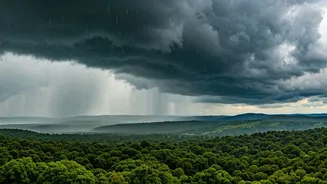
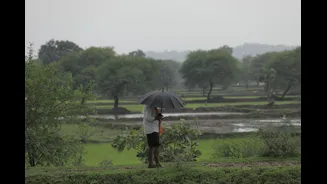
In the U.S., we think of rain in terms of inches and hours. In India, the monsoon is an entire season, a defining meteorological event that lasts from roughly June to September. It’s not a steady drizzle; it’s a system of torrential downpours, sustained high winds, and oceanic surges that brings the subcontinent about 80% of its annual rainfall. For an agricultural nation, its arrival is celebrated as a life-giving force. But for modern infrastructure, it’s a yearly stress test. The “rain movement” in the headline refers to the tracking of these massive rain bands as they move inland from the Arabian Sea, gathering strength and dumping staggering amounts of water in short periods.
The Weekend Escape Paradox
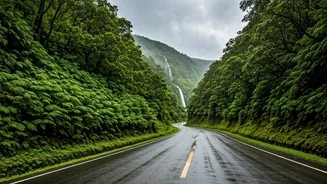
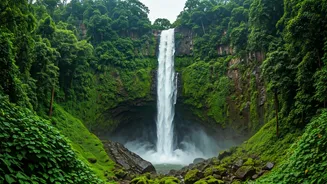
For residents of packed cities like Mumbai and Pune, the weekend offers a chance to escape to the nearby Western Ghats. Hill stations like Lonavala, Khandala, and Malshej Ghat become prime destinations. During the monsoon, this region transforms into a surreal, emerald-green landscape, with thousands of temporary waterfalls cascading down mountainsides. It’s a photographer’s dream and a powerful lure for city dwellers. This is the paradox: the very season that makes these destinations spectacularly beautiful also makes them incredibly dangerous. The same rains that create the waterfalls saturate the soil, leading to frequent and often deadly landslides that can sweep away roads and vehicles in an instant. Rivers can swell into raging torrents, flooding low-lying areas and cutting off access.
Heeding the Color-Coded Warnings
Local authorities and the Indian Meteorological Department (IMD) don’t take this lightly. They issue constant, color-coded alerts—green (all clear), yellow (be aware), orange (be prepared), and red (take action). A red alert for a district in the Ghats is a serious warning, often signaling the potential for extremely heavy rainfall that could trigger landslides and flash floods. For weekend travelers, ignoring these warnings is a life-threatening gamble. It’s not uncommon for major expressways to be shut down, train services to be cancelled, and thousands of tourists to become stranded. The local wisdom is to “watch the movement”—to track the forecasts, respect the alerts, and understand that the mountains become unpredictable when the monsoon is in full fury.
What This Means for American Travelers
If you’re planning a trip to Western India, the monsoon season shouldn’t necessarily be a deal-breaker, but it must be a deal-shaper. Planning a hiking trip in the Western Ghats in July is a fundamentally different—and riskier—proposition than in January. While locals have a lifetime of experience navigating the season, foreign tourists often don't. A spontaneous weekend trip inspired by beautiful social media posts can lead to a dangerous reality. Travel plans need to be flexible, built with buffer days, and centered away from high-risk landslide zones during peak downpours. The allure of the monsoon is real, but so are its dangers. The key is to understand that you’re not just dealing with rain; you’re dealing with a powerful natural system that commands respect.