

Understanding the Monsoon's Power
For many Americans, "monsoon" might just sound like a heavy downpour. In India, it’s a defining force of nature that dictates the rhythm of life for months. The monsoon isn't just rain; it's a massive seasonal weather system that sweeps across the subcontinent,
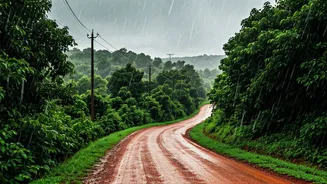
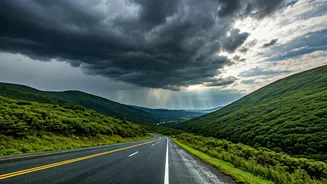
replenishing water supplies but also bringing significant risks. In Maharashtra, this translates to days of relentless, torrential rain, especially along the coast and in the mountainous Western Ghats. The intensity can be staggering, with rainfall measured in inches per hour, not per day. This isn't a storm you can just wait out under an awning for 20 minutes. It's a persistent, powerful phenomenon that can dramatically alter the landscape and your travel plans in an instant.
Region-Specific Risks: Coast vs. Hills
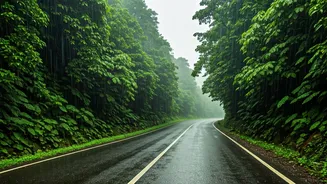
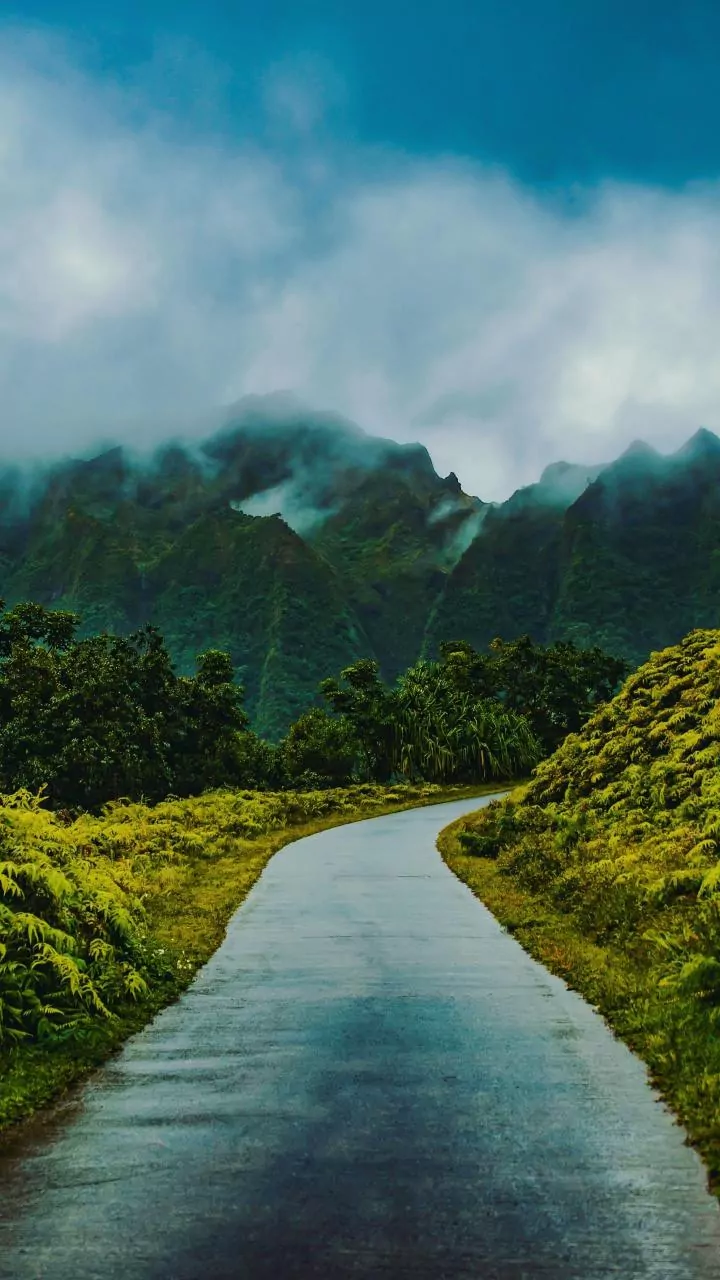
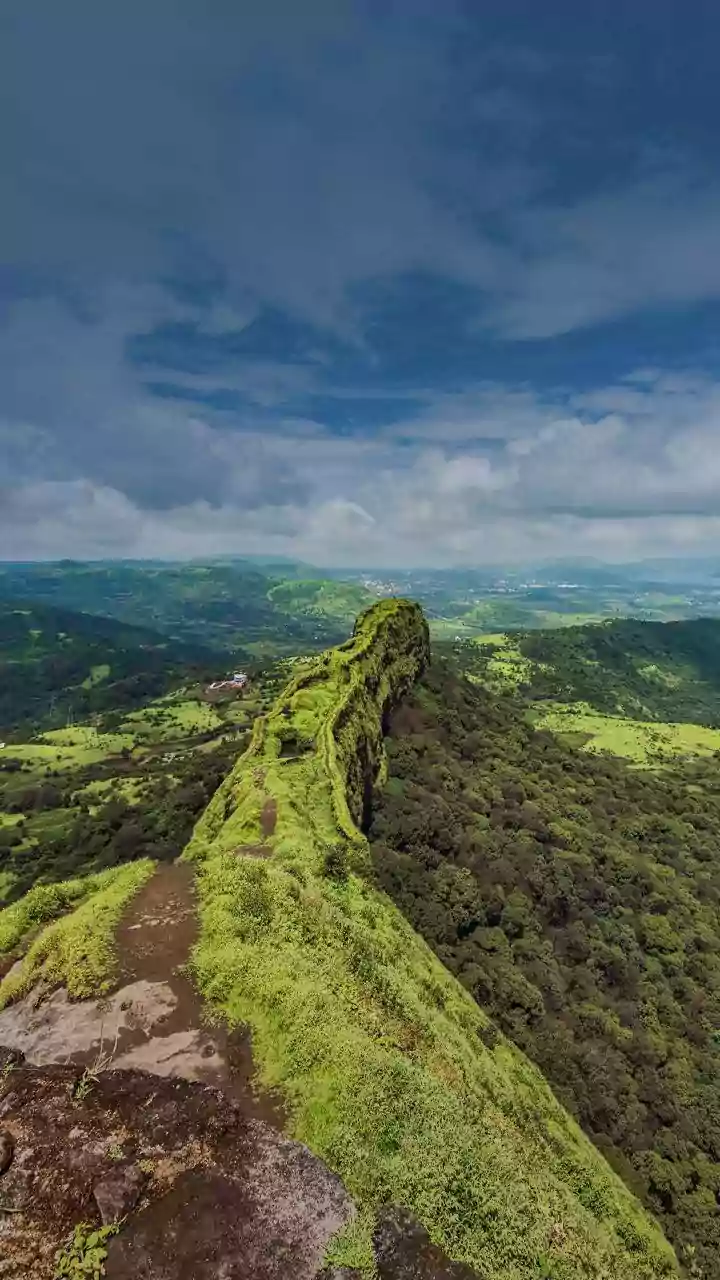
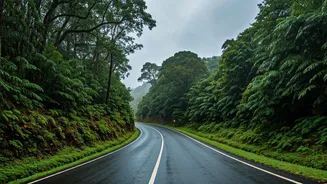
Maharashtra’s geography is diverse, and so are its weather hazards. In a sprawling metropolis like Mumbai, the primary danger is urban flooding. The city’s colonial-era drainage systems are quickly overwhelmed, leading to widespread waterlogging that can shut down roads, halt the famous local train network, and even flood airport runways. A two-hour commute can become an all-day ordeal, and low-lying neighborhoods can become completely inaccessible. Head inland to the scenic Western Ghats—a popular area for trekking and visiting hill stations like Lonavala or Mahabaleshwar—and the risk shifts to landslides. Saturated soil on steep slopes can give way without warning, blocking highways for days and cutting off entire towns. These are not minor inconveniences; they are serious safety concerns that require real-time information.
Your Pre-Trip Weather Toolkit
Fortunately, you don’t have to travel blind. Before you go, arm yourself with the right digital tools. The first stop should be the official source: the Indian Meteorological Department (IMD). Its website and mobile app, 'Mausam,' provide district-level warnings, color-coded for severity (green, yellow, orange, red). These are the alerts that local authorities use to make decisions. Beyond the official app, popular international weather apps that offer hyperlocal forecasting are also valuable for hour-by-hour predictions. Set up alerts for all your key locations—Mumbai, Pune, Aurangabad—before you even board your flight. Also, follow social media accounts of local municipal corporations and police departments (like the Mumbai Police), as they often provide the most immediate, on-the-ground updates on road closures and public transport disruptions.
On-the-Ground Smarts and Flexibility
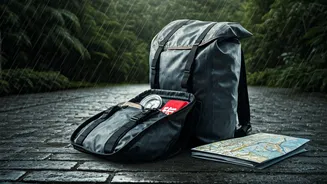
Once you’re in Maharashtra, your best resource is local knowledge. Talk to your hotel concierge, your taxi driver, or your tour guide. They have a lifetime of experience navigating the monsoon and can tell you which roads are prone to flooding or when it’s simply a bad idea to travel. The most crucial travel skill during this season is flexibility. Build buffer days into your itinerary. A train journey might get delayed, a flight could be canceled, or a road to your next destination might be closed. Having a free day or two allows you to adapt without stress. Pack smart: bring quick-drying clothes, waterproof footwear (not leather), a reliable umbrella, and waterproof bags or cases for your passport, phone, and electronics. Assuming your backpack is waterproof isn't enough; protect your valuables inside it.