


Beyond the Buffet Line
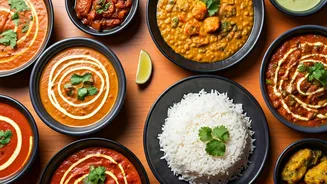
If your experience with Indian cuisine is limited to chicken tikka masala and a basket of naan, you’re not alone. For years, a simplified, anglicized version of North Indian and Punjabi food has dominated the American and global perception of a subcontinent’s
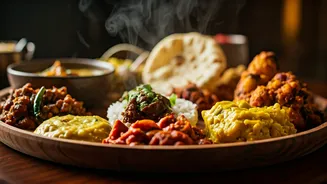
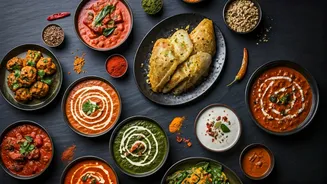
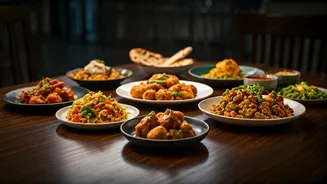
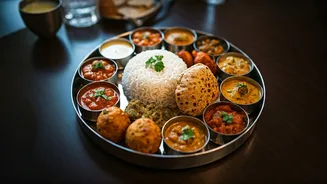
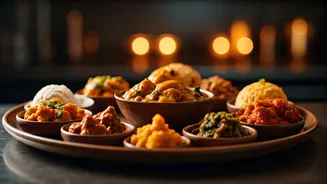
worth of cooking. But that’s rapidly changing. The new wave of interest isn’t just about finding the next spicy curry; it’s about a global recognition of India's staggering culinary diversity. Chefs and food influencers are finally distinguishing between the coastal, coconut-rich flavors of Kerala, the subtle, fish-forward cuisine of Bengal, the fiery pork dishes of Goa, and the rustic, millet-based breads of Rajasthan. This isn't just a trend; it's a long-overdue correction, moving past a monolithic idea of 'Indian food' and toward an appreciation of dozens of distinct, sophisticated regional traditions, each with its own history, techniques, and flavor profiles.
The New Pantry Staples
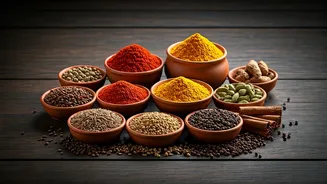
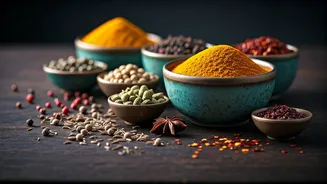
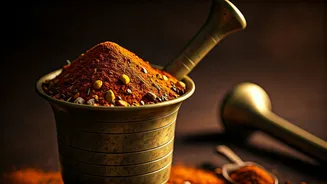
The most visible sign of India's influence is on our grocery shelves. Turmeric, once relegated to the back of the spice cabinet, is now the star of golden milk lattes and anti-inflammatory wellness shots. But the borrowing goes much deeper. Ghee, the clarified butter that is a cornerstone of Indian cooking, is being celebrated by chefs for its high smoke point and nutty, complex flavor, replacing olive oil and butter in high-end restaurant kitchens. Ashwagandha, an adaptogenic herb central to Ayurvedic medicine, is a buzzy ingredient in supplements and health drinks. Spices once considered 'exotic,' like smoky black cardamom, pungent asafoetida (hing), and bittersweet fenugreek, are becoming secret weapons for adding complexity and depth to everything from roasted vegetables to grilled meats. This isn't about appropriation; it's about adoption, as global cooks learn to use these ingredients with the nuance they deserve.
It’s All in the Technique
Perhaps the most significant borrowing is happening at the level of technique. Western culinary schools have traditionally focused on French methods, but a new generation of chefs is realizing the genius of Indian home cooking. Take the *tadka* (also known as *tarka* or *chaunk*). This simple but transformative technique involves blooming spices in hot fat (like ghee or oil) before adding them to a dish at the end. It’s a flavor explosion that adds aroma, texture, and a final layer of complexity that can’t be achieved by just stirring spices into a pot. Similarly, the ancient Indian traditions of fermentation are finding new fans. The tangy, gut-friendly sourdough starter used for dosas and idlis is being studied by bakers and health enthusiasts alike for its flavor and digestive benefits. These aren’t just recipes; they're time-tested culinary technologies.
A Philosophy of Eating
Beyond spices and techniques, the world is borrowing an entire philosophy. As Americans grow tired of restrictive diets and calorie-counting, the ancient Indian science of Ayurveda offers a compelling alternative: food as medicine. The Ayurvedic approach focuses on eating for your body type, balancing the six tastes (sweet, sour, salty, bitter, pungent, and astringent), and using food to promote holistic well-being. This resonates powerfully in a wellness-obsessed culture. The idea that what you eat should not only be delicious but also make you feel good, energized, and balanced is a profoundly Indian concept that is now at the heart of the global wellness movement. It’s a shift from eating to fuel up to eating to thrive, a principle that has been central to Indian kitchens for millennia.