






More Than Just a Hashtag
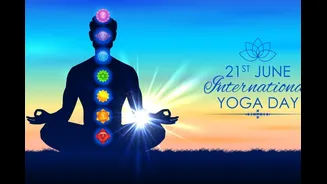
Before you dismiss it as another manufactured holiday, it’s worth knowing what International Day of Yoga actually is. Established by the United Nations in 2014, the day—celebrated on June 21st, the summer solstice in the Northern Hemisphere—is meant to
raise awareness of the many benefits of practicing yoga. The goal isn't just about perfecting a warrior pose; it's about promoting a holistic approach to health and well-being. In the U.S., this global recognition landed on fertile ground. It gave a name and a date to a movement that was already well underway, providing a focal point for studios, teachers, and practitioners to celebrate a practice that had become deeply woven into the American wellness tapestry.
From Niche Practice to National Pastime
It wasn't always this way. For decades, yoga in America was a niche pursuit, often associated with counter-culture movements or seen as a purely spiritual discipline. But over the past twenty years, it has exploded into the mainstream. Today, more than 35 million Americans practice yoga, and it has become a multi-billion dollar industry complete with celebrity teachers, high-end apparel, and destination retreats. This shift is about more than fitness. As daily life became more stressful and digitally saturated, Americans began seeking out tools for mental clarity and stress reduction. Yoga, with its emphasis on connecting breath with movement and cultivating present-moment awareness, offered a perfect antidote. It became a go-to solution for managing anxiety, improving flexibility, and finding a moment of peace in a chaotic world.
Finding Community on the Mat
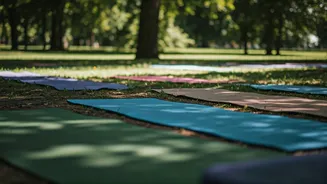
A huge part of the “excitement” is the communal aspect. While yoga can be a deeply personal practice, the energy of a group class is undeniable. On Yoga Day, this feeling is magnified a thousand times over. The iconic images of thousands of people practicing in sync in New York's Times Square are a perfect example. These large-scale events transform public spaces into temporary sanctuaries, creating a powerful sense of shared purpose and connection. But the community isn't just in massive gatherings. It's in the local studio where you know the instructor by name, the free park yoga class that brings neighbors together, and the online communities that have made the practice accessible to people who can't get to a physical studio. This sense of belonging is a core reason why the celebration feels so vibrant; it’s a day to feel part of something bigger than yourself.
It’s Your Breath, Your Practice
Perhaps the most profound reason for the excitement is yoga's incredible adaptability. There’s no single “right” way to do it. The world of yoga now includes everything from intense, sweat-dripping power vinyasa to gentle, restorative classes focused on relaxation. There’s chair yoga for seniors, goat yoga for laughs, and trauma-informed yoga for healing. This inclusivity means that almost anyone, regardless of age, fitness level, or physical ability, can find a version of the practice that works for them. Yoga Day celebrates this diversity. It’s an open invitation. You don’t need expensive pants or the ability to twist into a pretzel. All you really need is the willingness to breathe and pay attention. The day serves as a reminder that the real practice isn’t about achieving a perfect pose, but about the simple act of showing up for yourself.