




Flipping the Travel Script
The classic vacation formula is deeply ingrained in our culture. You decide you want to see the Rocky Mountains, explore New Orleans, or walk the streets of a European capital. The destination is the anchor, the entire reason for the trip. The hotel is a logistical
necessity—a clean, safe, and hopefully convenient home base from which to launch your daily excursions. You might search for a good deal, a central location, or a free breakfast, but the property itself is secondary to the place. The hotel-first approach discards this entirely. It starts with an entirely different question: not “Where do I want to go?” but “How do I want to feel?” The hotel becomes the destination. It’s the main event, the experience you’re traveling for. The surrounding city or landscape is simply a bonus, an optional backdrop to the world you’ve chosen to inhabit for a few days. This isn’t about finding a functional place to store your luggage; it’s about booking the vacation’s central character before you even know the plot.
Defining the ‘Vibe-First’ Traveller
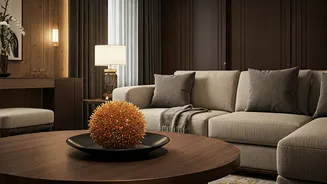
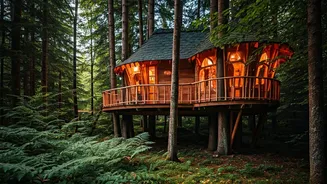
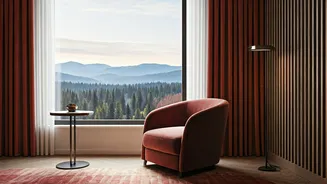
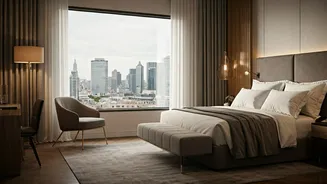
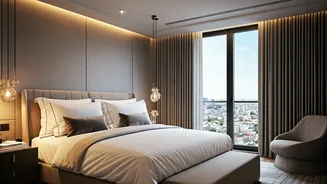
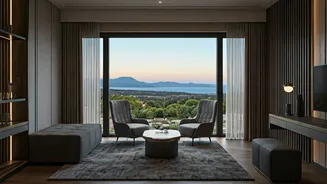
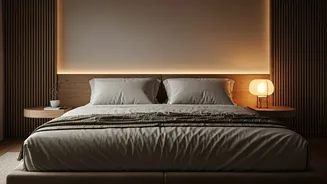
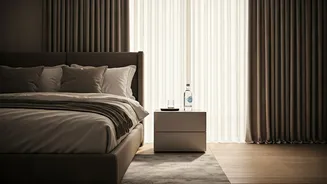
So, who is this person choosing a hotel in the middle of nowhere based on a few stunning photos? Meet the vibe-first traveler. This isn't just a millennial or Gen Z trope, but a mindset focused on aesthetics, atmosphere, and a curated sense of self. For them, a vacation is less about ticking off a checklist of monuments and museums and more about immersing themselves in a specific mood. They’re seeking a particular energy: the serene, minimalist calm of a desert retreat; the quirky, creative buzz of a hyper-stylized urban boutique; the rustic-chic comfort of a renovated farmhouse. The hotel’s design, its lighting, its textures, its soundtrack, and even its scent are all part of the appeal. Social media platforms like Instagram and TikTok have certainly fueled this, turning architecturally significant and beautifully designed hotels into bucket-list items in their own right. When the hotel is as photogenic and experiential as the destination, why shouldn't it come first?
The Rise of the Destination Hotel
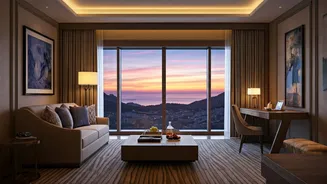
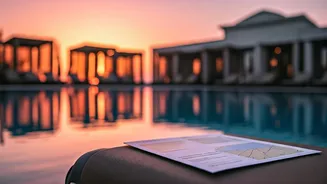
This trend couldn't exist without a new breed of hotel designed to be more than just a place to sleep. These are “destination hotels,” properties that offer a complete, self-contained world. Think of remote wellness sanctuaries that offer yoga, meditation, and farm-to-table dining, making a trip into town feel entirely unnecessary. Or consider historic buildings transformed into boutique hotels where every room is a design statement, and the lobby bar is the coolest spot in town. These properties aren’t just providing a service; they’re selling an identity. They might feature an award-winning restaurant, an architecturally significant swimming pool, an art gallery, a private cinema, or workshops with local artisans. The experience is so rich and immersive that leaving feels like a disruption. By offering a comprehensive narrative, they give travelers a compelling reason to build their entire trip around staying there. The hotel is no longer just lodging; it’s the main attraction.
Is This Approach Right for You?
The hotel-first method isn’t for everyone. If your primary goal is to see the Louvre, hike the Grand Canyon, or eat your way through Nashville's hot chicken scene, then a destination-first plan still makes the most sense. But if you're feeling burnt out and your travel goal is more about recharge and reset than it is about exploration, this might be your perfect strategy. Ask yourself: Do you find more joy in a beautifully designed space than in a crowded tourist spot? When you scroll through travel content, are you saving pictures of hotel interiors or city skylines? Is the idea of spending a whole day reading by a stunning pool, followed by a fantastic dinner without ever leaving the property, your idea of heaven? If you answered yes, you might be a vibe-first traveler at heart. It’s a shift from consuming a place to inhabiting a feeling—and for many, that’s a vacation in itself.