
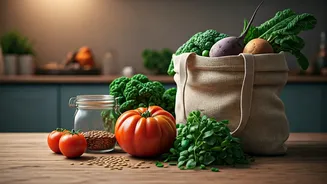
From Farm-to-Table to Farm-to-Tale
For years, the gold standard in conscientious dining was the “farm-to-table” model. Seeing a menu mention “Blue Ridge Farms” or “Coastal Organics” was enough to signal freshness and quality. It was a simple equation: local equals better. But as consumer
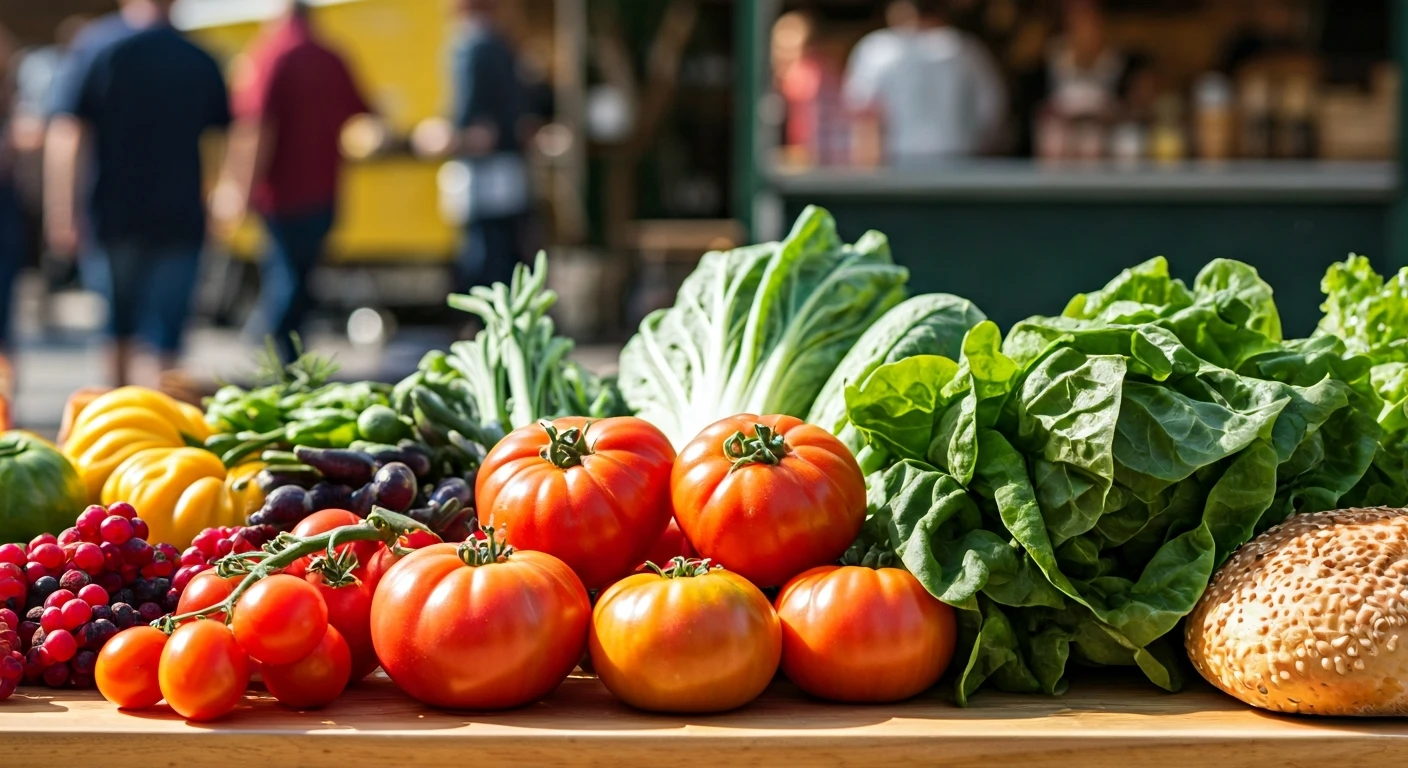
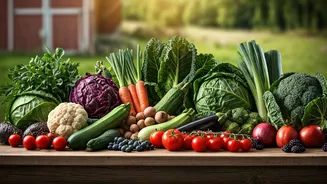
awareness around climate change has deepened, that simple equation is evolving. It’s no longer enough to just name the farm; restaurants are now telling its story. This is the shift from farm-to-table to “farm-to-tale.” Instead of a simple location credit, menus are starting to feature short, compelling narratives. You might read about the specific regenerative farming practices used to grow your salad greens, or learn the story of a family that has been fishing the same waters for generations. This isn't just marketing fluff. It’s a strategic move to build a deeper, more emotional connection between the diner, the dish, and the planet. By transforming an abstract concept like “sustainability” into a human story, chefs are making it tangible and, crucially, more desirable.
The Psychology of a Good Story
So, why does a story about a farmer named Dave and his heirloom tomatoes make us feel better about our order? It taps into fundamental human psychology. We are wired for narrative. A list of data points about carbon footprints or water usage can feel cold and abstract, often leading to feelings of guilt or anxiety. A story, on the other hand, fosters empathy and trust.
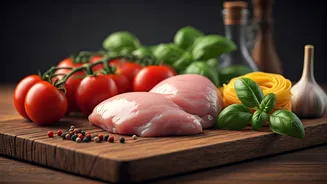
When a menu explains that its chicken comes from a farm where the birds roam freely on pastures that sequester carbon, it reframes the dish. It’s no longer just a consumption choice but a participatory act. You’re not just eating chicken; you’re supporting a specific, positive agricultural system. This narrative shortcut allows diners to feel confident in their choice without needing a degree in environmental science. The story acts as a proxy for virtue, assuring us that someone has done the ethical and environmental homework for us. It transforms the act of choosing a sustainable option from a sacrifice into a discovery.
Turning Climate Data into Dinner
One of the biggest challenges for the climate-conscious food movement is communication. Terms like “regenerative agriculture,” “carbon sequestration,” and “low food miles” are important, but they don’t exactly make your mouth water. Storytelling is the bridge that connects this complex data to the simple pleasure of a great meal.
Consider the difference. A menu item described as “Low-Carbon Beef” might appeal to a niche audience but could alienate others. Now, imagine it’s described as “Creekstone Ranch Beef, raised on native grasses that restore the prairie ecosystem.” The second version communicates the same environmental benefit but does so through a positive, evocative image. It sells an ideal, not just a statistic. Chefs and restaurateurs are realizing that their menus are powerful educational tools. By embedding these micro-stories, they can gently guide diners toward more sustainable options by making them the most interesting and appealing choices on the page.
More Than a Fine-Dining Fad
While this trend may have roots in high-end restaurants like Blue Hill at Stone Barns, where chef Dan Barber has long championed farm-forward narratives, it’s rapidly trickling down to more accessible establishments. Neighborhood cafes now proudly display photos of the baker who makes their sourdough, and fast-casual chains highlight the single-origin story of their coffee beans. Even consumer-packaged goods are getting in on the act, with brands like Patagonia Provisions and Applegate building their entire identity around transparent sourcing and storytelling.
This democratization of the food story is what makes it so powerful. It signals a broader cultural shift where consumers increasingly expect to know where their food comes from—not just the city or state, but the values and practices behind it. It puts a face to the food system, reminding us that every ingredient begins with a person, a piece of land, and a story.