

The End of the Hard Edge
For decades, the standard-issue interior was defined by its sharp, clean lines. From the stark minimalism of the 2010s to the industrial chic that preceded it, our homes have been dominated by right angles, flat planes, and rectangular doorways. It was a look
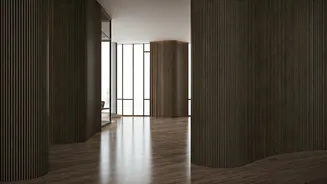
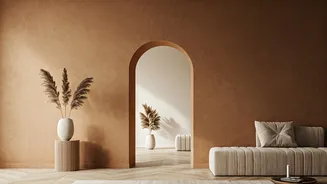
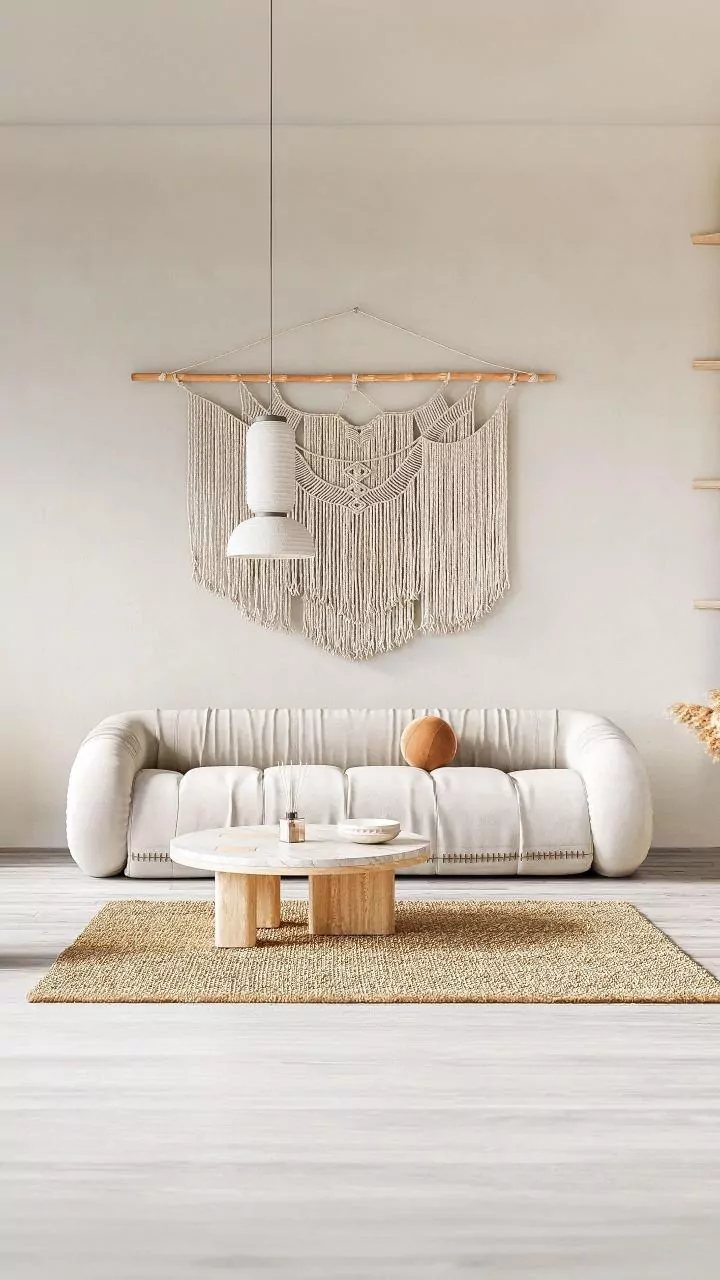
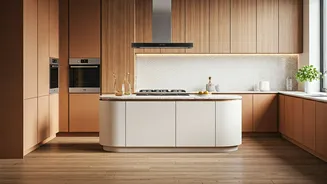
that communicated efficiency, order, and a certain kind of modern sophistication. But that crisp, geometric uniformity is now facing a powerful and popular challenger: the curve. Arched doorways, once relegated to Spanish-style villas or Roman ruins, are staging a major comeback in all types of American homes. Designers and homeowners are increasingly rounding off corners, installing serpentine walls, and choosing furniture that favors soft, organic shapes over rigid geometry. This isn't just a minor tweak; it's a fundamental shift in how we perceive and shape our personal environments.
A Psychological Search for Softness
So, why the sudden turn away from the straight and narrow? The answer is more psychological than architectural. After a period of global uncertainty and spending more time at home than ever before, there's a collective craving for spaces that feel like a hug. Sharp angles, while clean, can be subconsciously perceived as abrupt or even hostile. In contrast, curves are inherently gentle, welcoming, and fluid. They guide the eye smoothly from one space to another, creating a sense of ease and flow. An arched doorway doesn't just function as an opening; it frames the view into the next room like a picturesque landscape. This shift reflects a broader cultural movement towards 'soft living'—prioritizing comfort, reducing stress, and creating personal sanctuaries that nurture our well-being. Our homes are becoming less like sterile galleries and more like cozy, protective nests.
Back to Nature, Indoors
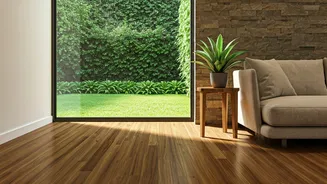
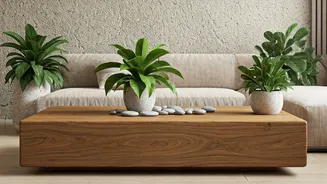
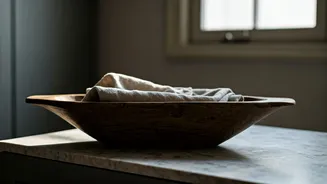
This trend is also deeply intertwined with the rise of biophilic design—the practice of connecting our built environments with the natural world. Look outside: nature rarely operates in perfect right angles. It’s full of rolling hills, meandering rivers, and the gentle curve of a leaf. By bringing these organic forms inside, we tap into an innate human preference for natural patterns. A curved wall can mimic the horizon, while an arched passageway feels like stepping into a sun-dappled grotto. These shapes help blur the line between indoors and outdoors, fostering a sense of tranquility and grounding that stark, man-made lines often struggle to achieve. It’s no coincidence that this trend is gaining steam alongside a renewed interest in houseplants, natural materials like wood and stone, and large windows that flood spaces with light.
More Than a Passing Fad
While design trends come and go, the move toward curves feels more permanent. It taps into a timeless architectural language. Arches are one of the oldest and strongest forms in building history, symbolizing everything from passage and opportunity to strength and grace. Today's revival isn't just a nostalgic nod to Art Deco glamour or Romanesque grandeur; it's a reinterpretation for modern life. Architects and designers are using curves to solve contemporary problems—softening open-plan layouts, creating intimate nooks in large spaces, and adding character to cookie-cutter new builds. The 'soft-apocalypse' of the sharp corner signals a move toward more human-centric, emotionally resonant design that prioritizes how a space feels, not just how it looks on Instagram (though it happens to look great there, too).