
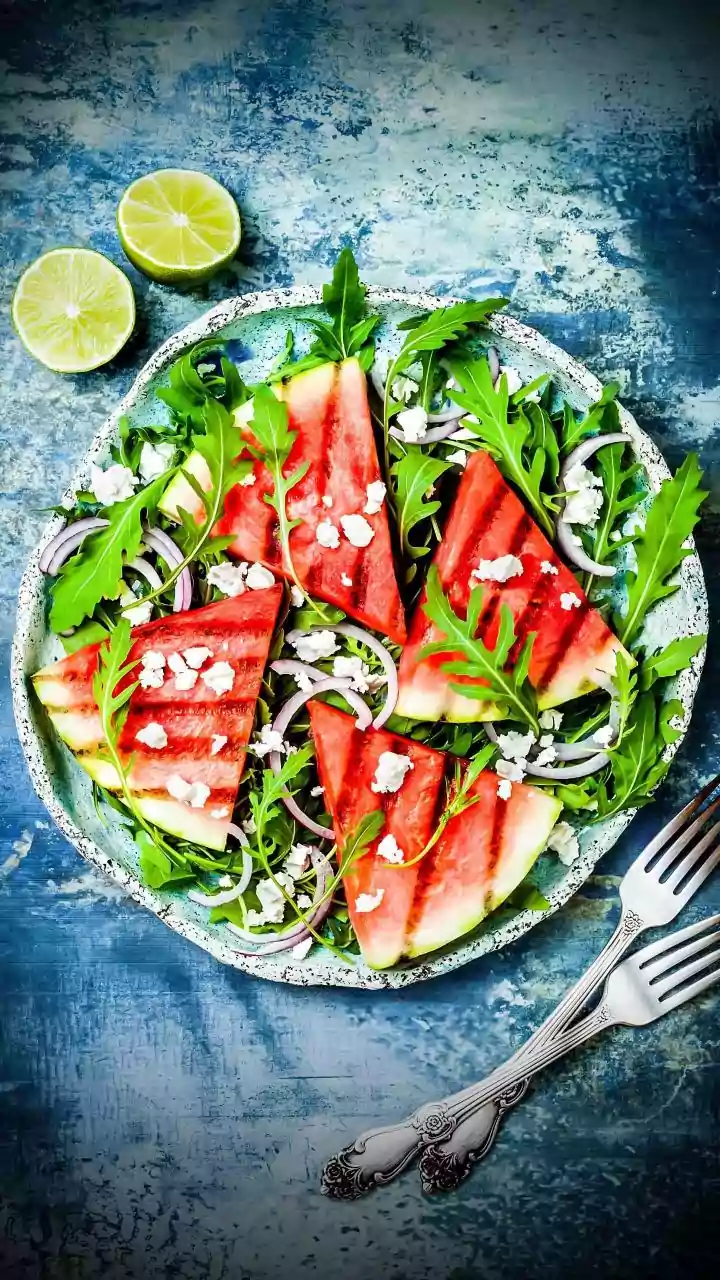

Watermelon Rinds: From Compost to Condiment
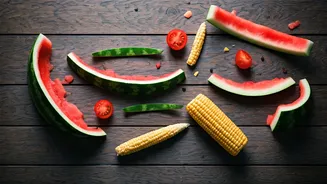
The thick, white part of a watermelon rind is often discarded, but it’s completely edible and incredibly versatile. Its neutral flavor and firm, crisp texture make it a perfect candidate for pickling. By simmering the rinds in a brine of vinegar, sugar,
water, and spices like cinnamon sticks and cloves, you can create a sweet and tangy relish that’s fantastic on pulled pork sandwiches or alongside grilled chicken. For a simpler approach, dice the rind and toss it into a stir-fry, where it will absorb flavor like a sponge and add a satisfying crunch similar to water chestnuts. It's a classic Southern tradition that’s finding a new, national audience.
Corn Cobs: The Secret to Liquid Gold
After you’ve shorn the sweet kernels from a dozen cobs for a summer salad, you’re left with a pile of what looks like trash. But those cobs are packed with milky, starchy flavor. Simmer them in a pot of water with a bay leaf and some peppercorns to create a surprisingly rich corn stock. This golden broth adds a deep, sweet corn flavor to risotto, chowders, and polenta that you simply can't get from water alone. Some cooks even go a step further, using the stock to make a delicate corn cob jelly, a sweet and savory spread that’s perfect on a biscuit or with a sharp cheddar cheese.
Veggie Tops and Herb Stems: Pesto’s New Best Friends
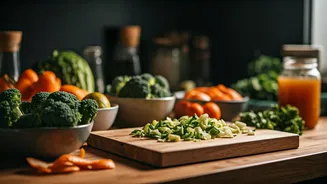
Those leafy green tops on your farmers' market carrots and radishes? They’re not just decoration. While slightly more bitter than basil, these greens can be transformed into a vibrant, peppery pesto. Simply blend them with garlic, nuts (like walnuts or pecans), Parmesan cheese, and olive oil for a zero-waste sauce that’s delicious on pasta, sandwiches, or swirled into a vegetable dip. The same logic applies to the woody stems of herbs like parsley and cilantro. Instead of tossing them, finely chop them and add them to marinades, vinaigrettes, or chimichurri, where their concentrated flavor can truly shine.
Stale Bread: The Unsung Hero of Summer Salads
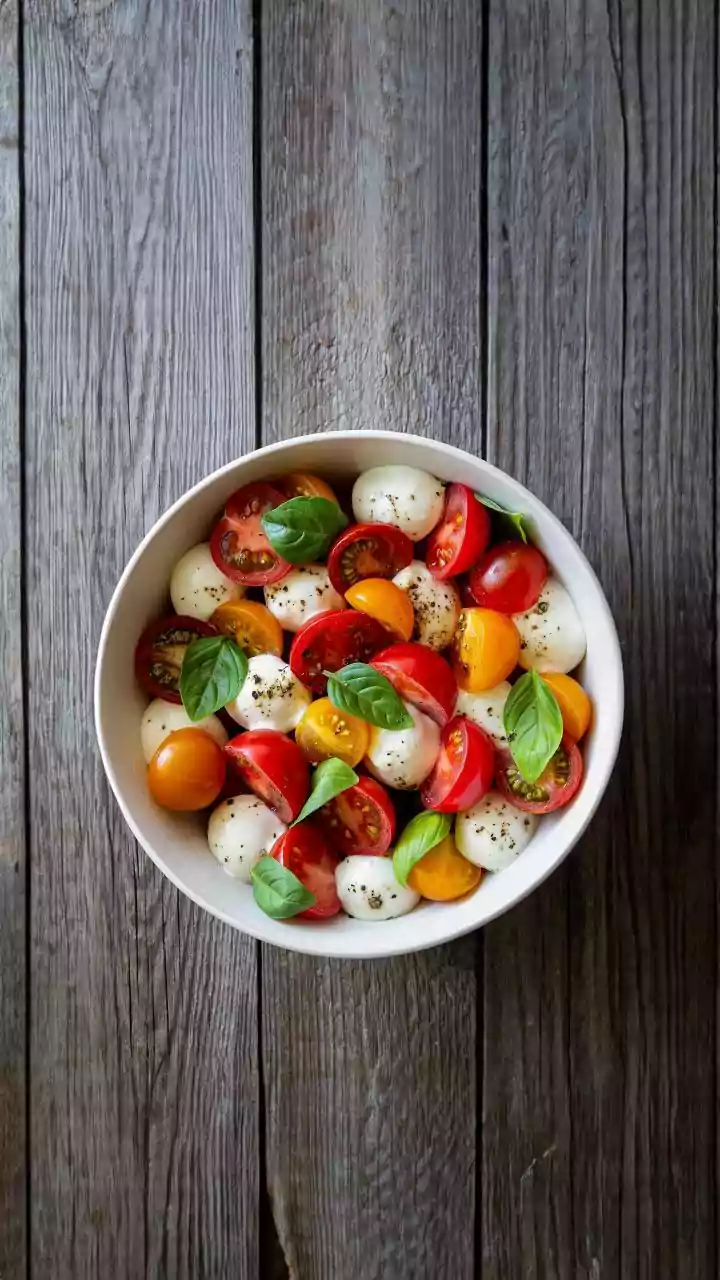
Summer entertaining often results in half-eaten loaves of crusty bread or a surplus of hamburger buns. When they’ve gone slightly stale, their second act begins. Cut the bread into cubes, toss with olive oil and seasonings, and toast them in the oven for homemade croutons that will elevate any salad. Better yet, use large chunks of that day-old bread as the foundation for panzanella, a classic Italian salad. Combine the bread with juicy, ripe tomatoes, cucumbers, red onions, and a simple vinaigrette. The bread soaks up the tomato juice and dressing, becoming tender and flavorful—the star of the dish, not an afterthought.
Pickle Brine: The Ultimate Flavor Booster
Once the last pickle has been plucked from the jar, most people pour the leftover brine down the drain. This is a culinary tragedy. That salty, tangy liquid is a powerhouse ingredient. Use it as a marinade to tenderize and flavor chicken or pork before grilling—it’s the secret behind many a great fried chicken recipe. You can also add a splash to potato salad or coleslaw dressing to give it an extra zing, or even use it to quick-pickle other vegetables like sliced onions or carrots. Some adventurous home bartenders are even using a dash in cocktails for a savory, briny kick.
Strawberry Tops: Infuse Everything
When you hull a pound of strawberries for a pie or shortcake, you're left with a pile of leafy green tops with a bit of red fruit still attached. Don’t trash them. Collect the tops in a jar of water and let them infuse in the refrigerator for a few hours. The result is a subtly sweet, refreshing strawberry-flavored water. For a more potent creation, steep them in a jar of white vinegar for a week or two to create a bright, fruity strawberry vinegar that’s perfect for making salad dressings.