





The Power of Eating Seasonally
There’s a reason a sun-ripened peach eaten in July tastes infinitely better than a pale, hard one in January. Fruits harvested at their peak and sold locally are fresher, more flavorful, and often more nutritious. When produce is allowed to ripen naturally
on the vine or tree, it develops a fuller profile of vitamins, minerals, and antioxidants. These are the compounds that “help.” Seasonal fruits are packed with Vitamin C, potassium, and fiber, which support everything from immune function to digestive health and hydration. For example, berries are renowned for their high levels of antioxidants, which combat cellular damage, while melons are over 90% water, making them a delicious way to stay hydrated on a hot day. Eating seasonally also often means you’re supporting local farmers and reducing the carbon footprint associated with shipping produce from thousands of miles away.
What’s Really on Your Unwashed Fruit?
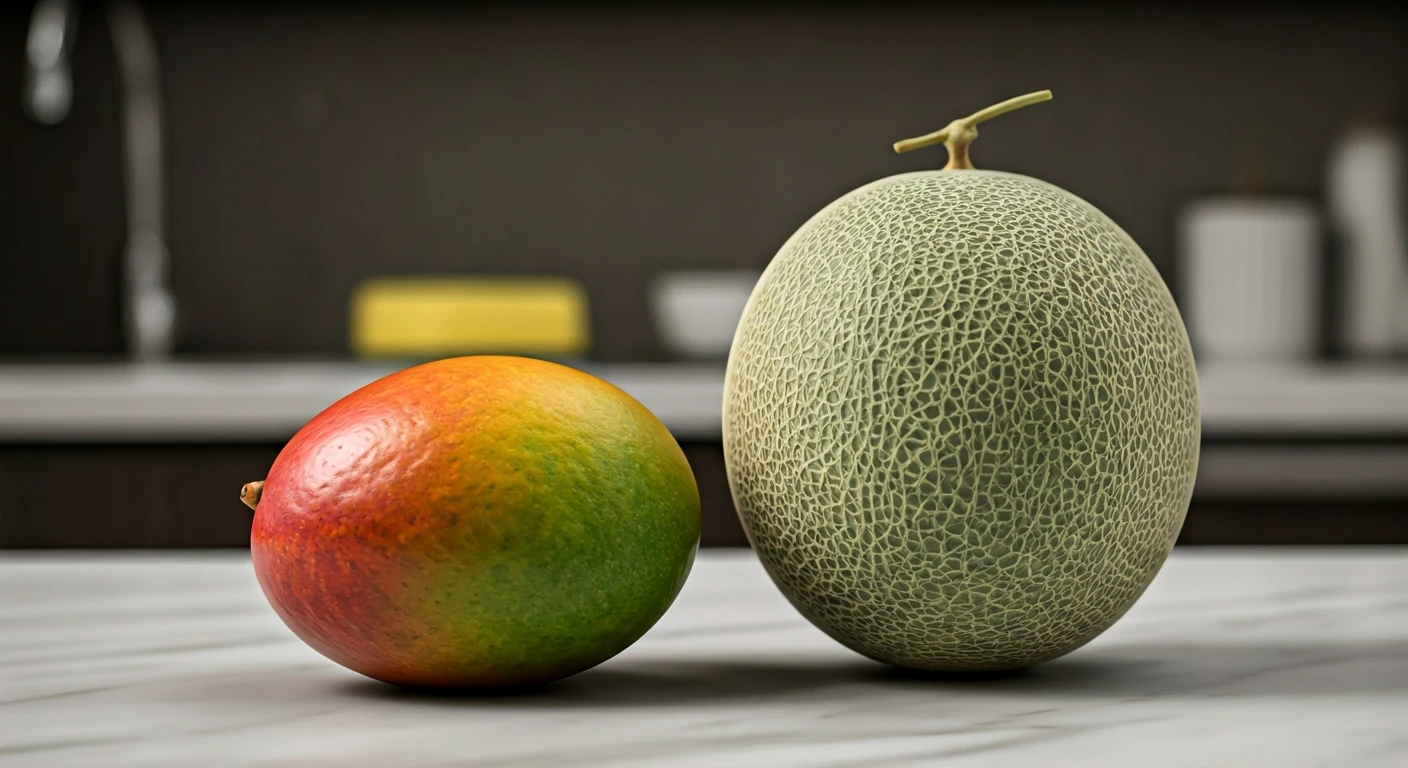
Here’s the “if” part of the equation. From the field to your kitchen counter, produce passes through many hands and environments. The journey can leave behind a variety of unwanted passengers. The most common concerns are pesticide residues, which are used in conventional farming to protect crops. While regulated, even trace amounts are something many consumers prefer to minimize. Beyond chemicals, the surface of a fruit can harbor dirt, wax coatings applied for preservation and shine, and, most importantly, microbes. Bacteria like Salmonella, E. coli, and Listeria can contaminate the surface of produce from soil, water, or handling. Even if you don't eat the peel—like on a cantaloupe or watermelon—a knife cutting through the unwashed rind can transfer pathogens directly to the flesh you’re about to eat. While the risk of getting sick is relatively low, it’s not zero, and the consequences of a foodborne illness can be serious.
Your Simple, Science-Backed Washing Guide
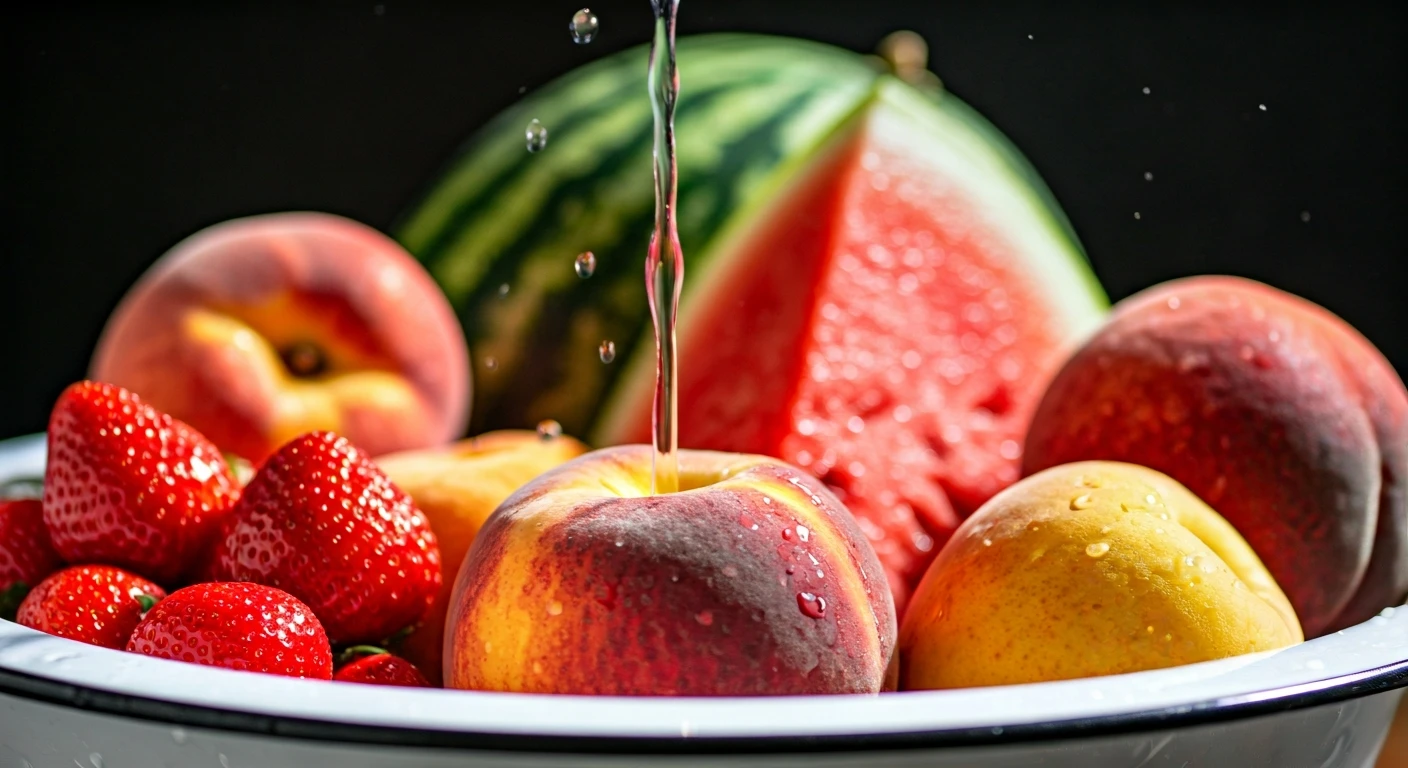
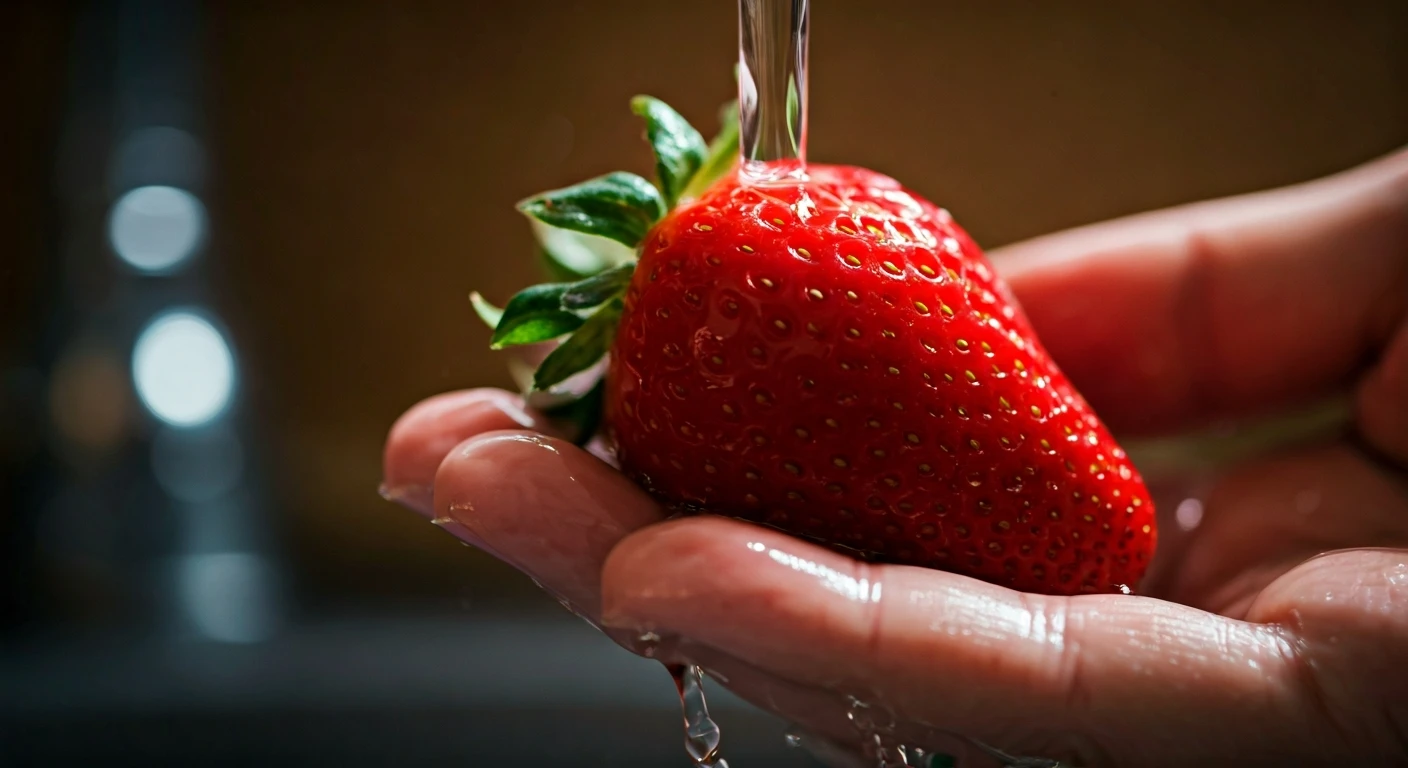
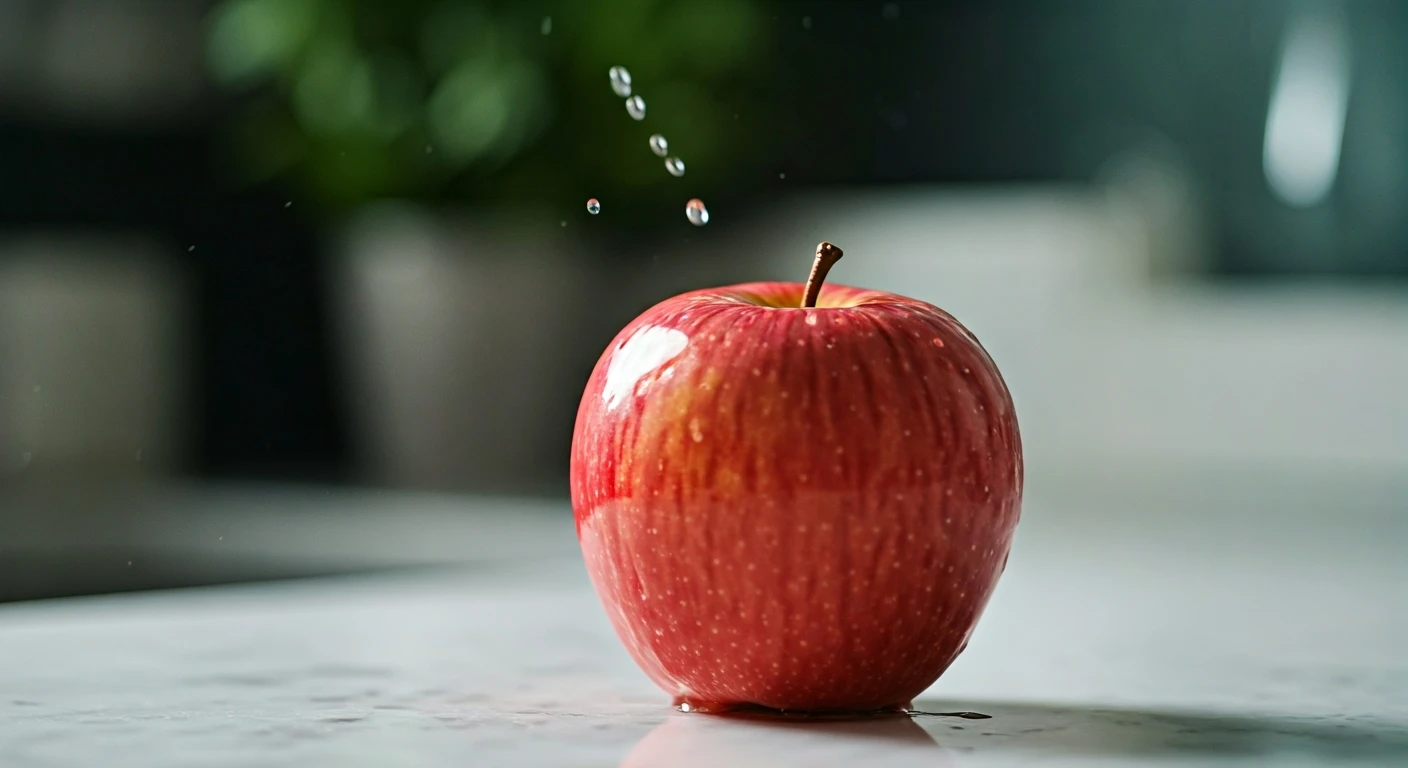
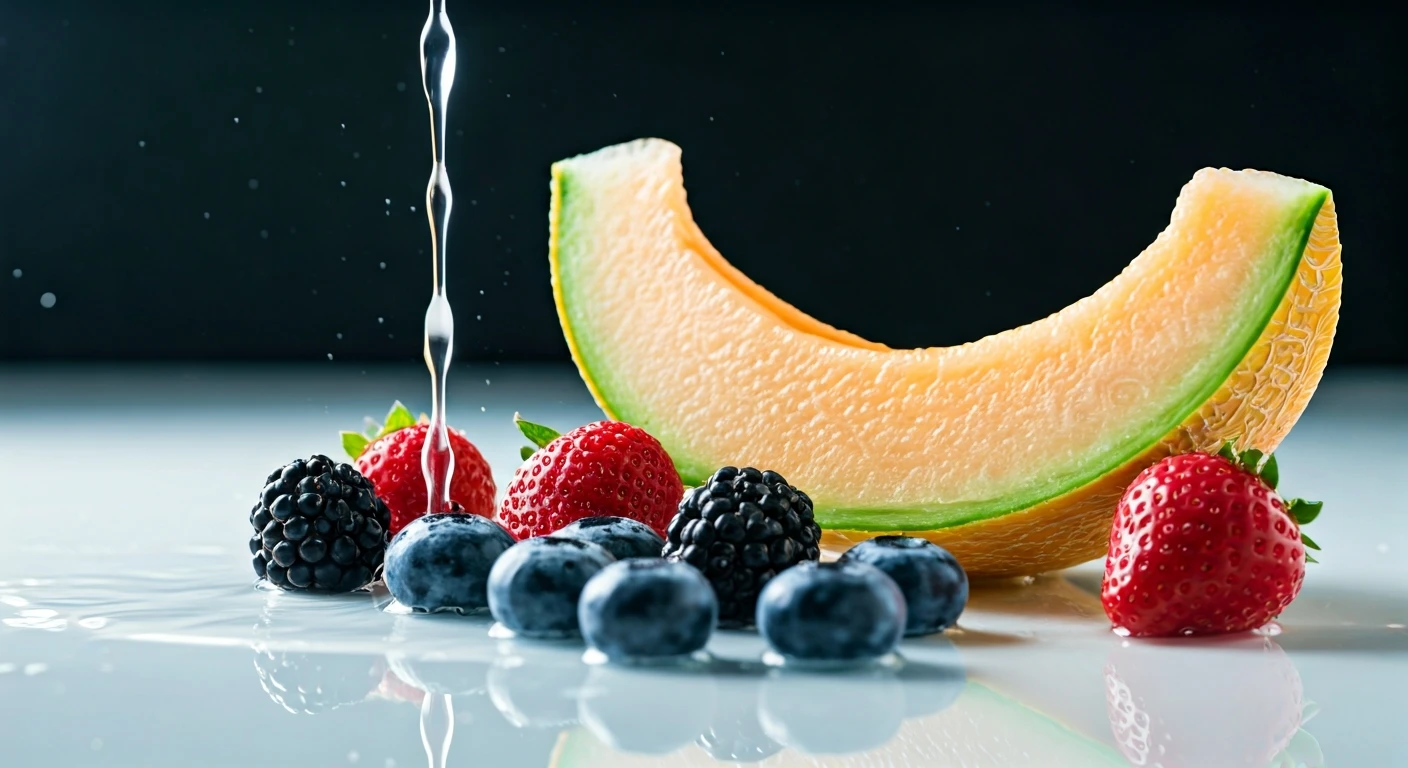
The good news is that making your fruit safe to eat is incredibly simple. You don’t need expensive gadgets or special produce washes. In fact, the Food and Drug Administration (FDA) recommends one key tool: clean, running water. For firm fruits (apples, melons, lemons): Gently rub the fruit with your hands under cool running water. For produce with tough rinds like cantaloupes or cucumbers, it’s a good idea to use a clean vegetable brush to scrub the surface. This helps dislodge stubborn dirt and microbes from the textured skin. For soft fruits (berries, grapes): The approach should be gentler. Place berries in a colander and rinse them under a steady, low-pressure stream of cool water. Avoid soaking them for long periods, as this can make them waterlogged and mushy. For delicate fruits like raspberries, it's best to wash them just before you plan to eat them to prevent them from breaking down or growing mold. After washing any fruit, pat it dry with a clean cloth or paper towel to further reduce any remaining bacteria.
Common Washing Mistakes to Avoid
While washing is simple, a few common habits can be ineffective or even counterproductive. First, don't use soap, detergent, or bleach. The FDA explicitly advises against this. These products are not designed for consumption and can be absorbed by porous fruits, leaving behind residues that can make you sick. Commercial produce washes are also unnecessary; studies have shown that cool running water is just as effective at removing most contaminants. Another mistake is washing produce as soon as you get home from the store if you don't plan to eat it right away. Washing too far in advance can introduce moisture that creates a perfect environment for bacterial growth and can speed up spoilage, especially for delicate items like berries. The best practice is to store your produce unwashed in the refrigerator and wash each item right before you prepare or eat it.