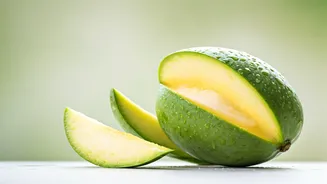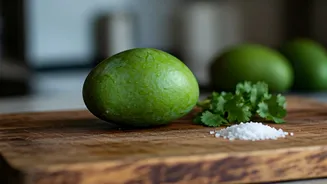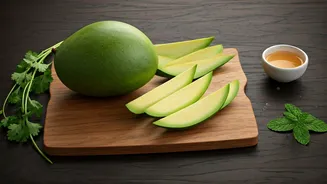

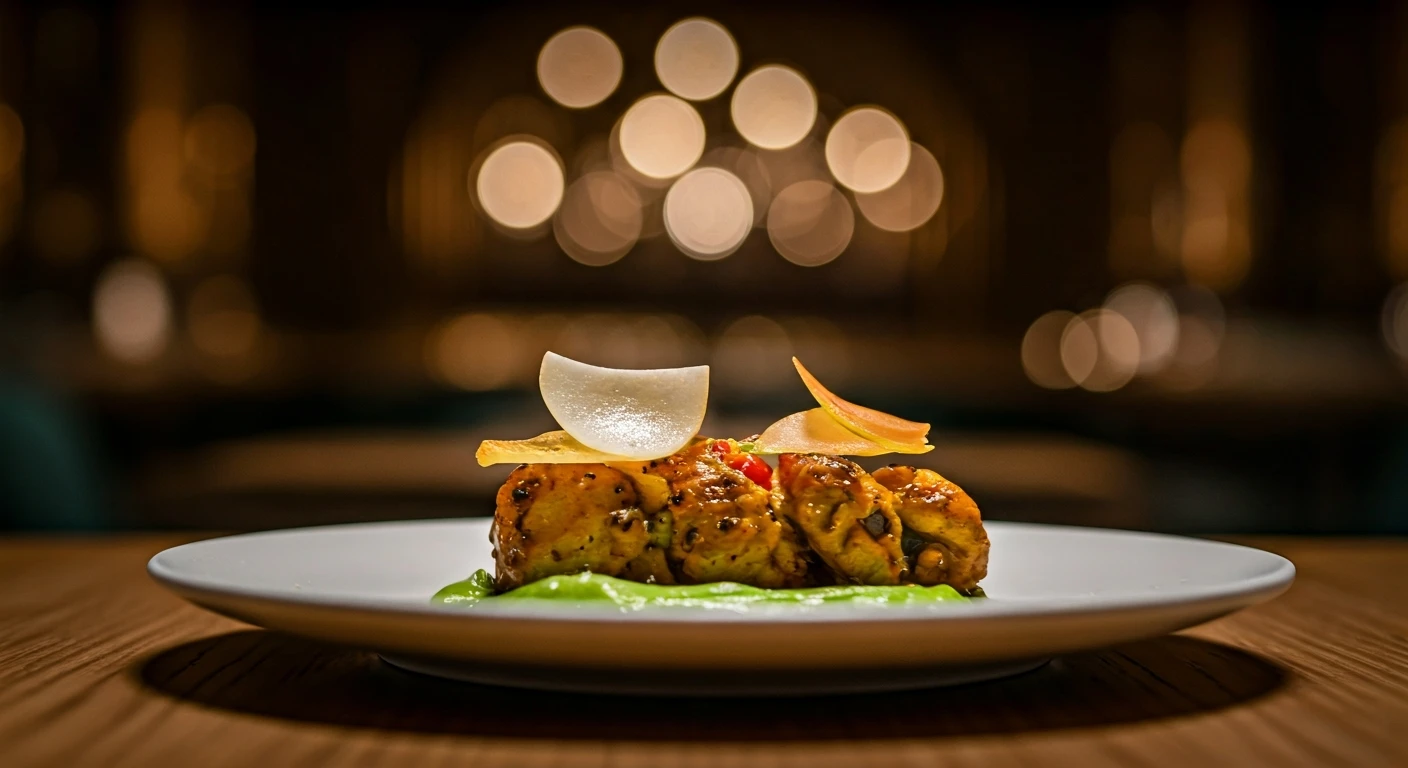
So, What Exactly Is Kairi?
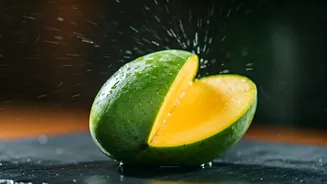
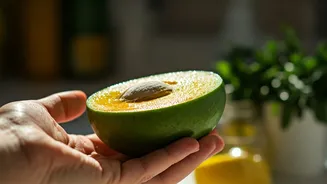
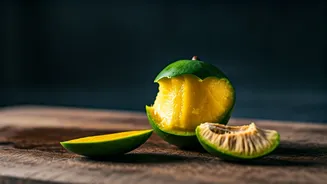
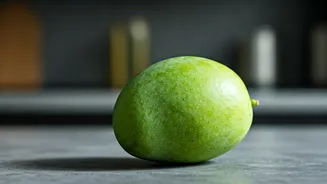
Before you can ask for it, you need to know what it is. Kairi is the Hindi word for raw, unripe green mango. Forget the sweet, fleshy, sunset-colored mango you know and love. Kairi is its puckeringly tart, firm-fleshed ancestor. Harvested long before
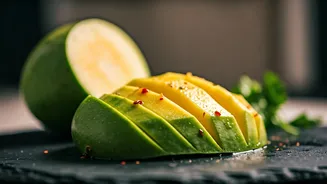
its sugars develop, the green mango is prized not for sweetness but for its intense, clean-sour flavor. The texture is crunchy and crisp, almost like a jicama or a firm apple, and the taste is a lightning bolt of acidity that can cut through richness and awaken the palate. While there are hundreds of mango varieties, the core identity of kairi remains consistent: it's a souring agent, a textural element, and a vibrant seasonal star, primarily in South Asian and Southeast Asian cuisines.
The Undeniable Power of Sour
American palates have been on a journey. We’ve graduated from a food culture once dominated by sweet and salty to one that actively seeks out complexity. The rise of craft kombucha, artisan pickles, shrubs in cocktails, and the ubiquity of fermented foods like kimchi and sauerkraut are all proof. We’ve learned that a dish without acidity can feel flat, heavy, and one-dimensional. A squeeze of lemon, a splash of vinegar, or a dollop of yogurt is often the secret ingredient that makes a dish ‘pop.’ Acidity provides balance, slicing through fat and richness, and adding a high note that makes all the other flavors sing. Kairi is the perfect next step in this evolution. It delivers a sourness that’s more nuanced and fruit-forward than a lemon, with a firm texture that lemon juice obviously lacks, making it a dual-threat ingredient.
A Long-Held Secret in Indian Kitchens
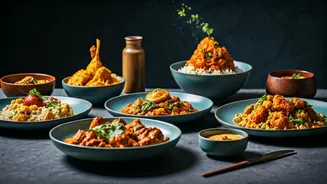
While kairi might be new to many American diners, it’s a cornerstone of summer cooking across India. It’s a solution to the sweltering heat, a way to add excitement to everyday meals. One of its most famous applications is in kairi panha, a refreshing summer cooler made by boiling and blending the raw mango with sugar, salt, and spices like cardamom and cumin. It’s also shredded into salads, pickled into a fiery condiment known as 'achaar,' and simmered in lentil dishes (dals) to provide a tangy backbone. In coastal regions, it’s grated into fish curries to balance the richness of coconut milk. This culinary history demonstrates kairi’s incredible versatility—it can be cooked, juiced, pickled, or eaten raw, shifting its character to fit almost any dish.
The Modern Menu Makeover
This is where the argument in the headline finds its footing. Kairi isn’t just an ethnic ingredient to be confined to traditional recipes; it’s a tool that belongs in every creative chef’s arsenal. Imagine a finely shaved kairi salad with mint and chili over a piece of grilled fish, offering a crunchy, tart counterpoint. Picture a kairi-based granita as a palate cleanser, or a vibrant kairi chutney served alongside a rich pork belly. Its sour juice could replace lime in ceviche, its firm flesh could be diced into a salsa for tacos, and its puree could become the base for a mind-blowing new cocktail, a greener, tarter spin on a margarita. The possibilities are endless because its core function—providing bright, clean acidity—is universal. It’s a way for chefs to introduce a 'new' flavor that feels both exotic and strangely familiar, satisfying our growing appetite for all things tart and tangy.