



An Introduction to the Ghats
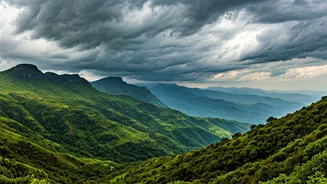
For most Americans, the Himalayas are the only Indian mountains that register. But running parallel to the country’s western coast is a range just as vital and arguably more alive: the Western Ghats. A UNESCO World Heritage site, this 1,000-mile-long
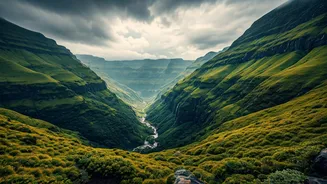
chain of mountains and forests is one of the world’s most important biodiversity hotspots. Think of it as India’s equivalent to the Sierra Nevada, but draped in tropical foliage and home to everything from elephants and tigers to thousands of plant species found nowhere else on Earth. Before the monsoon, the landscape can be dry and hazy, waiting patiently under the oppressive heat of the Indian summer. It’s beautiful, but it’s holding its breath.
The Great Monsoon Transformation
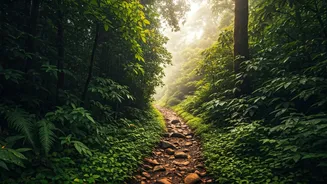
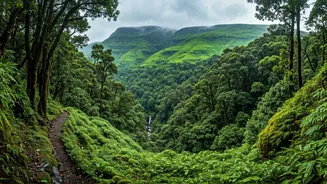
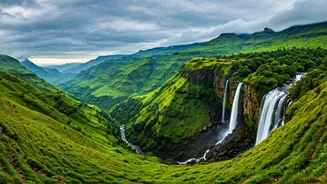
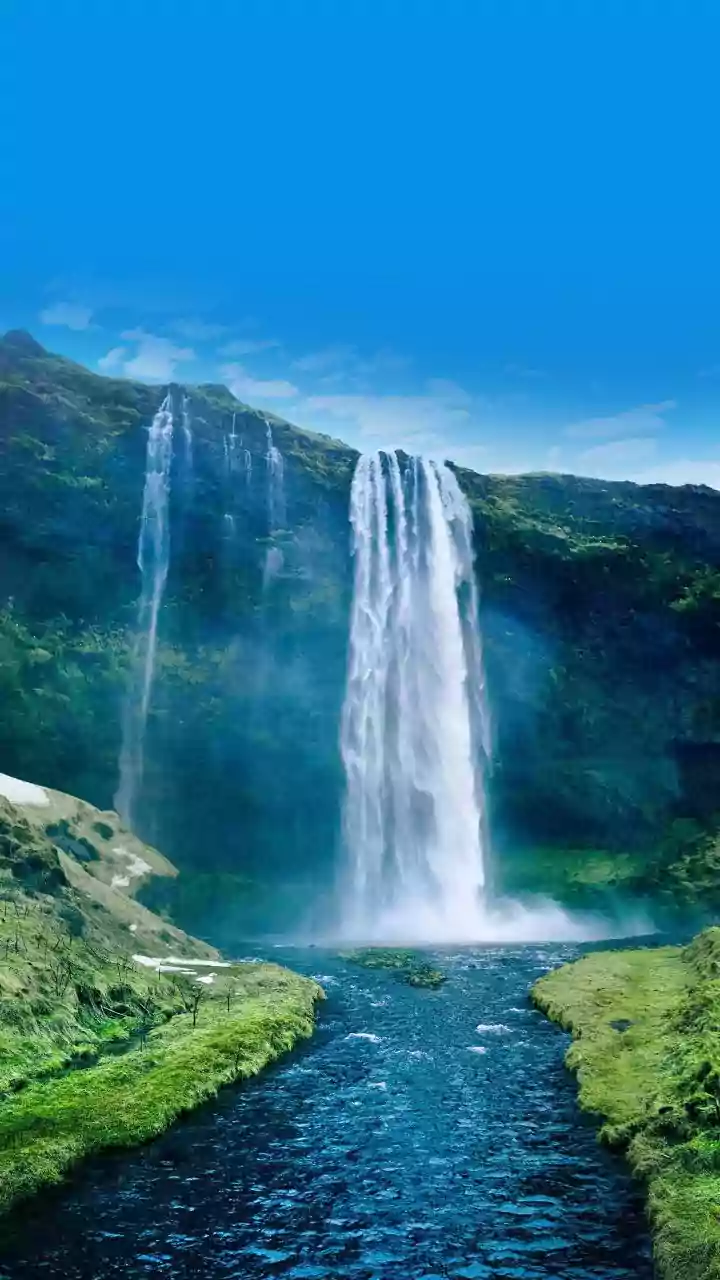
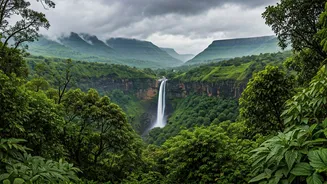
Everything changes in June. The southwest monsoon winds, heavy with moisture from the Arabian Sea, hit the wall of the Ghats and are forced upward. The result is a deluge that lasts for months, a life-giving event that reshapes the entire subcontinent. But in the Ghats, it’s not just rain—it's a complete sensory overhaul. The first downpours carry the iconic scent of petrichor, the smell of rain hitting dry earth. Within weeks, the parched brown hillsides explode into an almost fluorescent green. Dormant waterfalls, mere trickles for most of the year, roar back to life, carving dramatic white cascades into the emerald slopes. The world becomes a symphony of water—the steady drumming on a tin roof, the distant roar of a river, the gurgle of a thousand newly formed streams.
The Unexpected Romance of Rain
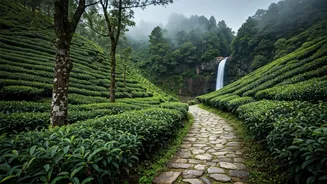
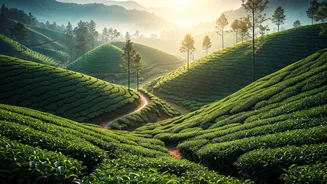
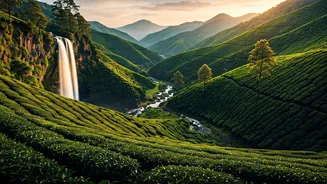
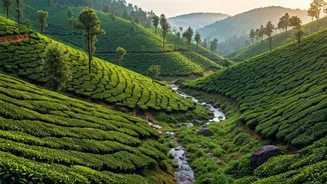
Conventional travel wisdom tells us to avoid the rainy season. But in the Western Ghats, the monsoon isn't an inconvenience; it’s the main attraction. The “honeymoon-perfect” label comes from the atmosphere this weather creates. The constant cloud cover and rolling fog lend the landscape a soft, ethereal quality. Mornings are spent watching mist weave through tea plantations from a private balcony, a hot cup of chai or local coffee in hand. The oppressive heat is gone, replaced by a cool, clean air that’s perfect for cozying up indoors. It fosters a feeling of intimacy and seclusion. Instead of fighting for a spot on a crowded beach, couples find themselves sharing a vast, dramatic landscape with far fewer tourists. It's a slower, more contemplative kind of travel, focused on atmosphere rather than activity.
Where to Find the Magic
This magic isn't uniform; it’s experienced in pockets of incredible beauty. In Kerala, the hill station of Munnar becomes a dreamscape of rolling tea gardens veiled in mist, its colonial-era bungalows offering cozy refuge from the rain. Further north, in the state of Karnataka, lies Coorg, often called the “Scotland of India.” During the monsoon, its coffee and spice plantations are at their most fragrant, and the hillsides are dotted with spectacular waterfalls like Abbey Falls, which is at its most powerful during this time. For those seeking something even more off the beaten path, the highlands of Wayanad offer a mix of dense forests, ancient caves, and sprawling resorts where you can watch the drama of the monsoon unfold from the comfort of a poolside villa. Each location offers a slightly different flavor of the same core experience: nature at its most dramatic and revitalized.