


The Glow-Up: Not Your Grandfather’s Grow Light
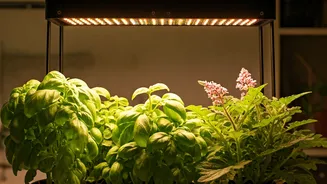
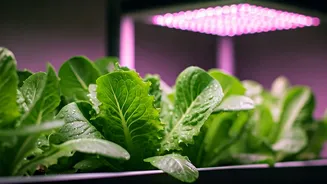
Forget the bulky, buzzing, heat-blasting lamps of the past. Today’s grow lights are overwhelmingly dominated by LEDs (Light Emitting Diodes) that are sleek, energy-efficient, and specifically designed for plants. The key term you’ll see is “full-spectrum.”
This means the light mimics the full range of natural sunlight, providing the blue light plants need for leafy growth and the red light they need for flowering and fruiting. Unlike a simple desk lamp, these lights deliver the precise wavelengths and intensity required for photosynthesis. This technology is what makes it possible to successfully grow healthy plants far from any window, opening up a world of possibilities for apartment dwellers and homeowners with limited natural light.
Choosing Your Crops: Start Small, Win Big
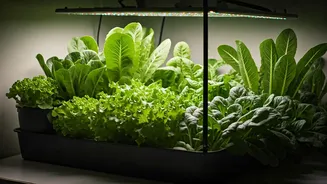
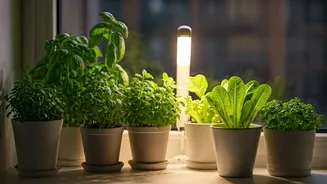
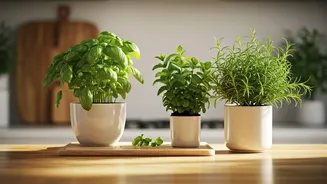
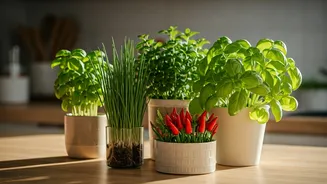
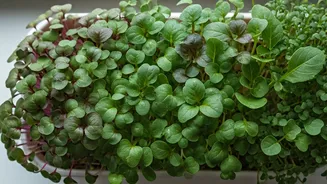
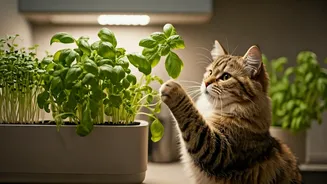
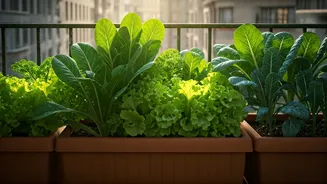
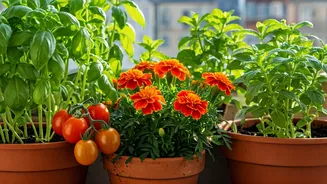
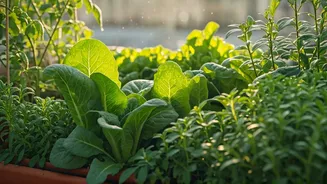
While you might dream of harvesting bushels of corn from your closet, realism is your best friend. The easiest and most rewarding plants for a beginner’s indoor farm are those that don’t require a ton of space or intense light. Leafy greens like lettuce, spinach, and arugula are fantastic choices; you can harvest leaves as they grow for a continuous supply. Herbs are the undisputed champions of indoor gardening. Basil, mint, parsley, cilantro, and chives thrive under grow lights and offer an incredible return on investment—just a few fresh leaves can elevate any meal. Microgreens are another excellent option, growing from seed to harvest in just a couple of weeks on a small tray.
Finding the Right Spot and Setup
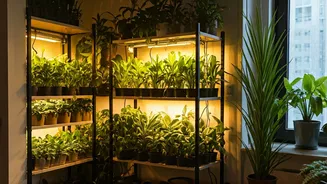
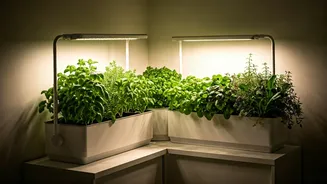
Your “tiny farm” can be as simple or as complex as you want it to be. The most common setup involves a simple bookshelf or wire shelving unit. You can mount strip-style LED lights to the underside of each shelf, creating a multi-level garden. For a single plant or a small pot of herbs on a countertop, a single lamp with a gooseneck or an adjustable stand is perfect. When positioning your lights, the general rule is to keep them close to the plants—usually between 6 to 12 inches away—to prevent them from getting “leggy” and stretching out in search of light. Most grow lights come with a built-in timer, which is a non-negotiable feature. Plants need a consistent cycle of light and dark, typically 14-16 hours of “on” time per day, to mimic a natural day.
The Essentials: Beyond the Light
A great light is crucial, but it’s only one part of the equation. You’ll also need a few other basics. First, choose containers with good drainage holes to prevent root rot, which is the number one killer of indoor plants. Use a quality potting mix, not soil from your backyard, as it’s formulated to be lightweight and provide good aeration for roots in a container environment. When it comes to watering, the goal is to keep the soil consistently moist but not waterlogged. The best method is to check the soil with your finger; if the top inch feels dry, it’s time to water. Finally, remember that your plants are in an enclosed system. After the first month or two, they will have used up the nutrients in the potting soil. You’ll need to supplement with a balanced liquid fertilizer every few weeks, following the product’s instructions for indoor plants.