




The Great Urban Exodus
Just a decade ago, the weekend plans for a young professional in Mumbai, Delhi, or Bangalore were predictable: new restaurants, packed nightclubs, or a trip to the mall. Today, there's a different kind of buzz. It’s the chatter on WhatsApp groups organizing
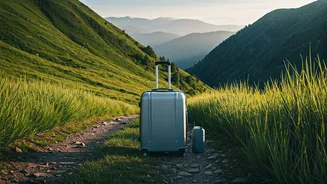
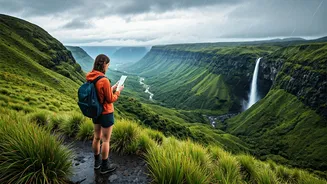
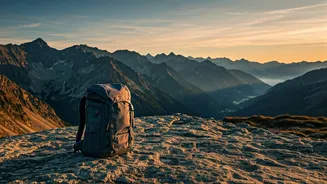
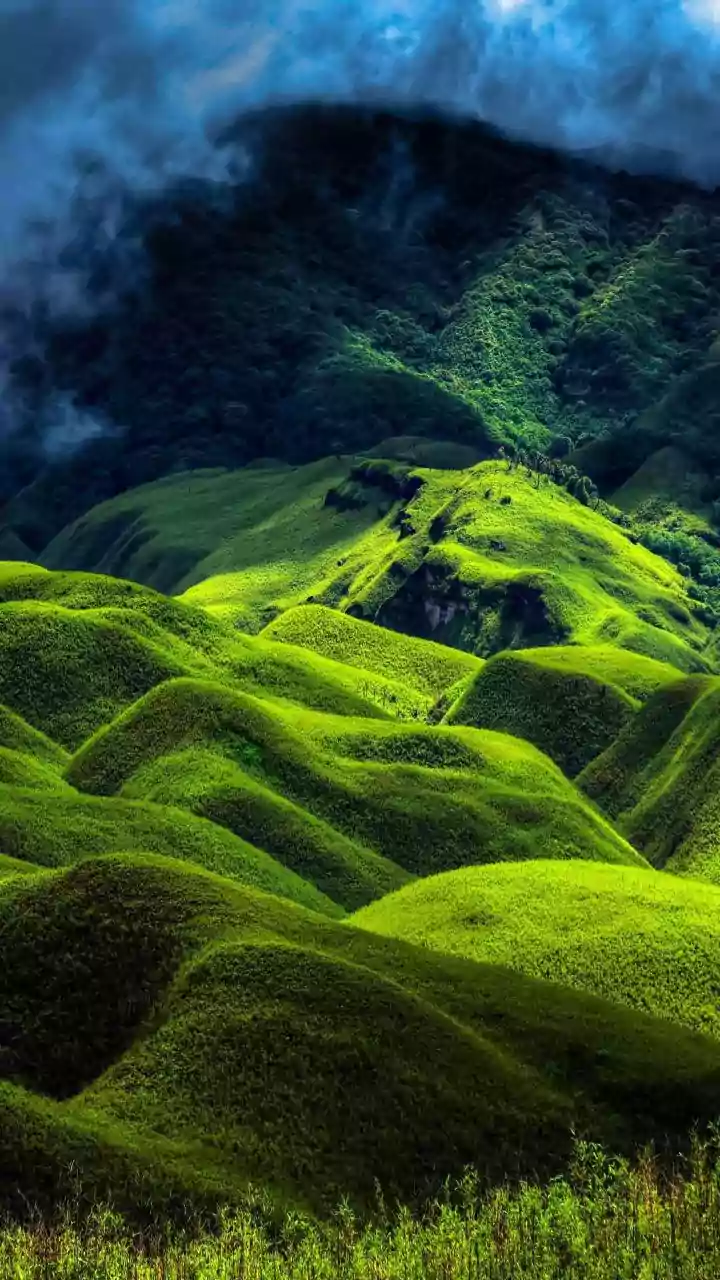
multi-day treks, the Instagram feeds flooded with panoramic shots from Himalayan passes, and the sold-out spots on overnight buses heading toward the mountains. A significant cultural shift is underway. Urban Indian millennials and Gen Z, armed with disposable income and a growing sense of wanderlust, are increasingly swapping concrete jungles for alpine meadows. This isn't the arduous, months-long mountaineering of expedition lore; it's accessible, social, and perfectly suited for a long weekend. Organized by a booming industry of budget-friendly trekking companies, these trips offer an all-inclusive package: transport, food, guides, and tents. All the participants have to do is show up and walk.
An Antidote to Modern Life
So, what's driving this migration to the mountains? The answer lies in the very cities they’re so eager to escape. India’s rapid economic growth has created a high-pressure, hyper-competitive environment for its youth. The daily grind consists of long commutes, demanding corporate jobs, and the constant digital noise of a nation with some of the world's cheapest data. The mountains offer a powerful antidote. For a few days, the relentless notifications are replaced by the sound of wind whistling through pine forests. The pressure to perform is superseded by the simple, physical challenge of putting one foot in front of the other. It’s a forced digital detox and a search for something more tangible and real than a spreadsheet or a social media feed. In a culture that often emphasizes collective family life, a trek also offers a rare slice of personal autonomy and self-discovery, a space to test one's own limits away from familiar expectations.
The Instagram Summit
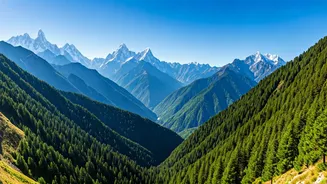
It would be naive, however, to see this trend as purely a rejection of the digital world. In many ways, social media is its primary engine. The 'pics or it didn't happen' culture is a powerful motivator. A photo from Triund, with the snow-capped Dhauladhar range in the background, is more than a memory—it's a form of social currency. It signals a life of adventure, wellness, and experiences over possessions. Instagram and Facebook are filled with carefully curated images of friends huddled around a bonfire, silhouetted against a mountain sunrise, or holding a steaming cup of tea at 12,000 feet. This aspirational content fuels a cycle: people see the stunning photos, feel a mix of envy and inspiration, and book a trek of their own. Trekking companies have capitalized on this, creating 'Instagrammable' itineraries and using social media influencers to market their trips, turning scenic vistas into powerful conversion tools.
An Economy Built on Altitude
This youth-driven movement has created a thriving micro-economy in the foothills of the Himalayas and the Western Ghats. Where there were once only a few seasoned operators, there are now dozens of startups offering everything from beginner-friendly weekend hikes to more challenging week-long expeditions. This competition has made trekking more affordable and accessible than ever. The impact extends deep into remote mountain communities. Local villagers who once relied solely on subsistence farming now find employment as guides, porters, and cooks. Many have converted parts of their homes into 'homestays,' offering trekkers an authentic, rustic alternative to tents and generating a new source of income. This boom isn't without its challenges, bringing concerns about overcrowding and environmental sustainability to fragile ecosystems. But for now, it represents a vital economic lifeline for many, directly linking India's urban aspirations to its rural landscapes.