




The Anatomy of a Perfect Mashup
First, let's break down what we’re talking about. This isn’t simply your standard restaurant naan with a few new herbs sprinkled on top. Garlic rosemary sourdough naan is a true culinary hybrid. It starts with a sourdough starter—that bubbly, living colony
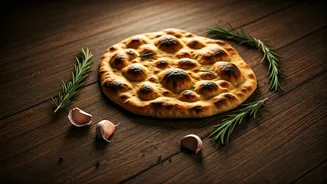
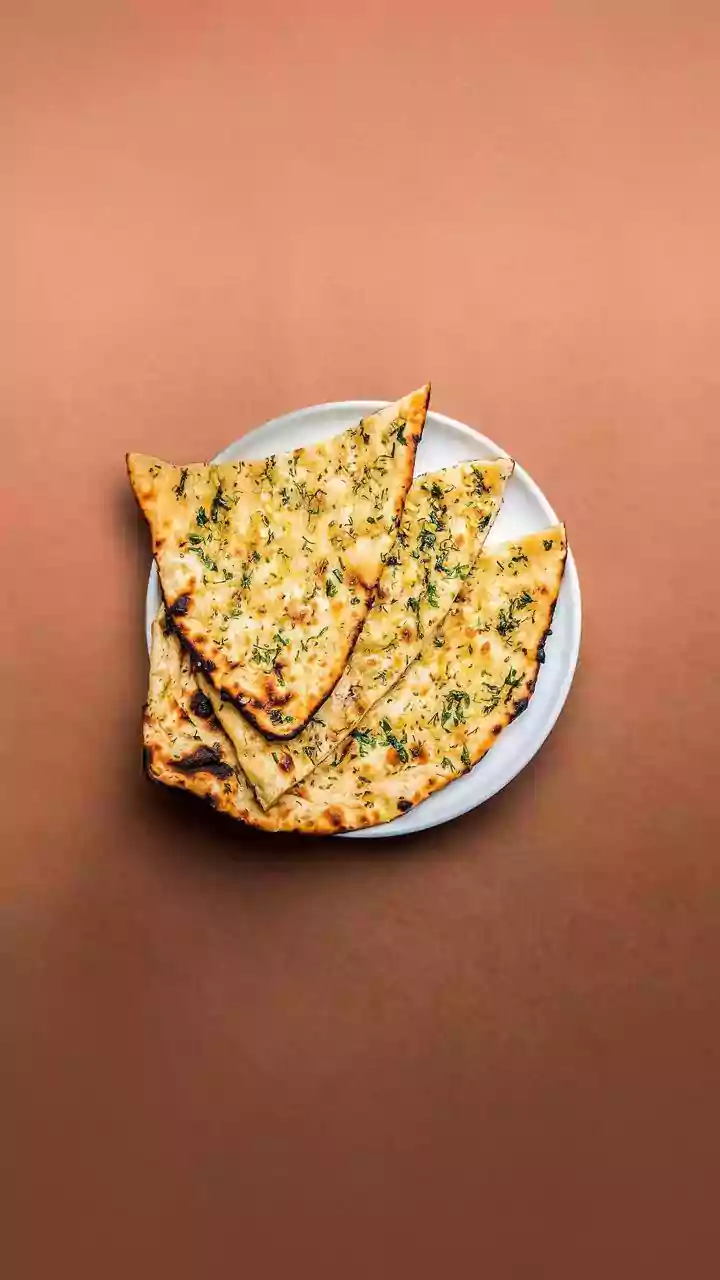
of wild yeast and bacteria that’s been the darling of the artisan bread world for years. Instead of using commercial yeast, this starter is used to ferment the naan dough, often over a period of 12 to 24 hours. The result is a flatbread with the characteristic soft, chewy texture of traditional naan but with an added layer of complexity: a subtle, tangy depth from the sourdough fermentation. The final flourish comes from classic, robust flavors—minced garlic and fragrant rosemary—which are either kneaded into the dough or, more commonly, brushed onto the hot, blistered surface with melted butter or ghee.
From Kitchen Project to Social Media Star
If you’ve scrolled through food-focused Instagram or TikTok feeds recently, you’ve likely seen it. A video shows hands stretching a soft, elastic dough. A satisfying sizzle as it hits a hot cast-iron skillet. The signature bubbles that puff up, creating a leopard-spotted char. Finally, a brush of glistening garlic-rosemary butter. The rise of this specific naan variation is a distinctly modern phenomenon, born from a confluence of trends. The pandemic-era sourdough craze got millions of Americans comfortable with maintaining a starter. Simultaneously, a new generation of Desi-American food bloggers and home cooks began using social media to share recipes that felt authentic to their dual identities. Sourdough naan became a perfect canvas for this expression: it's technically challenging enough to be a satisfying project, visually stunning, and deeply comforting.
A Delicious Metaphor for 'Third Culture' Identity
This dish is more than just a clever food fusion; it’s an edible emblem of what it means to be a 'third culture kid.' For many in the South Asian diaspora, particularly those born or raised in the U.S., identity is a fluid blend of their heritage and their American upbringing. Sourdough naan perfectly encapsulates this. The naan itself is a direct link to the kitchens of their parents and grandparents, a staple of countless family meals. The sourdough method, however, is a nod to contemporary American artisan food culture. And the choice of rosemary—a quintessentially Mediterranean and Western herb—over, say, only cilantro or mint, is a deliberate step outside the traditional Desi flavor palette. It’s a dish that says, 'I honor my roots, but I am also creating something new that is entirely my own.' It’s a culinary statement of belonging to multiple worlds at once.
Why the Combination Just Works
Beyond the cultural significance, this fusion is a runaway hit for a simple reason: it’s incredibly delicious. The tang from the long sourdough ferment cuts through the richness of the ghee or butter, preventing the bread from feeling heavy. It adds a background note that makes you want to take another bite. The texture also benefits. A well-made sourdough naan has an exceptional chew and a slightly more open, airy crumb than its commercially yeasted counterpart. The blistered, charred bubbles offer a hint of smokiness that plays beautifully against the sharp, aromatic punch of fresh garlic and the piney, earthy notes of rosemary. It’s a flavor combination that feels both rustic and refined, equally at home next to a bowl of dal makhani or used as a base for a creative flatbread pizza.