
A Season of Ritual and Relief
For hundreds of millions of people, the monsoon is not just a weather pattern; it's a season of profound cultural and emotional significance. It’s a time of renewal, romance, and relief from oppressive heat. And this dramatic shift in the environment
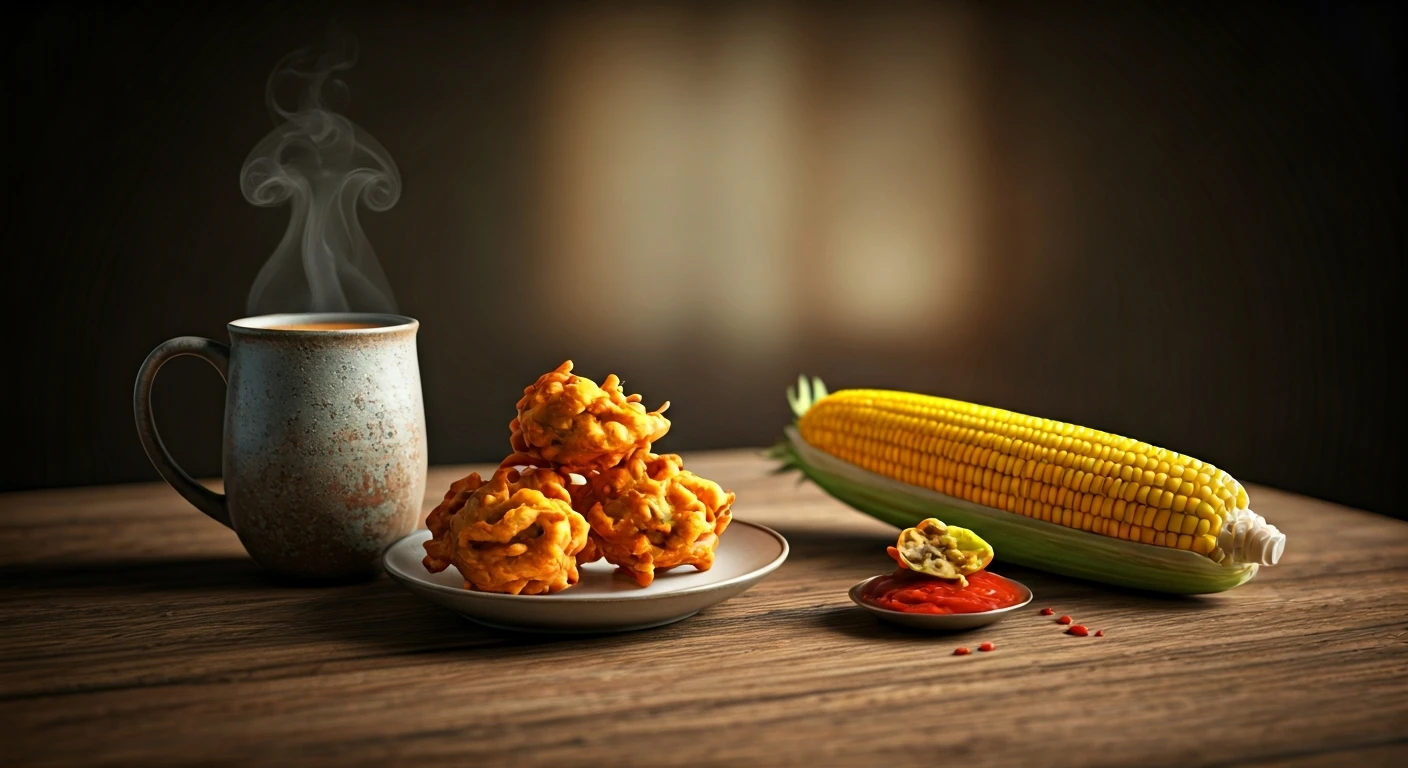
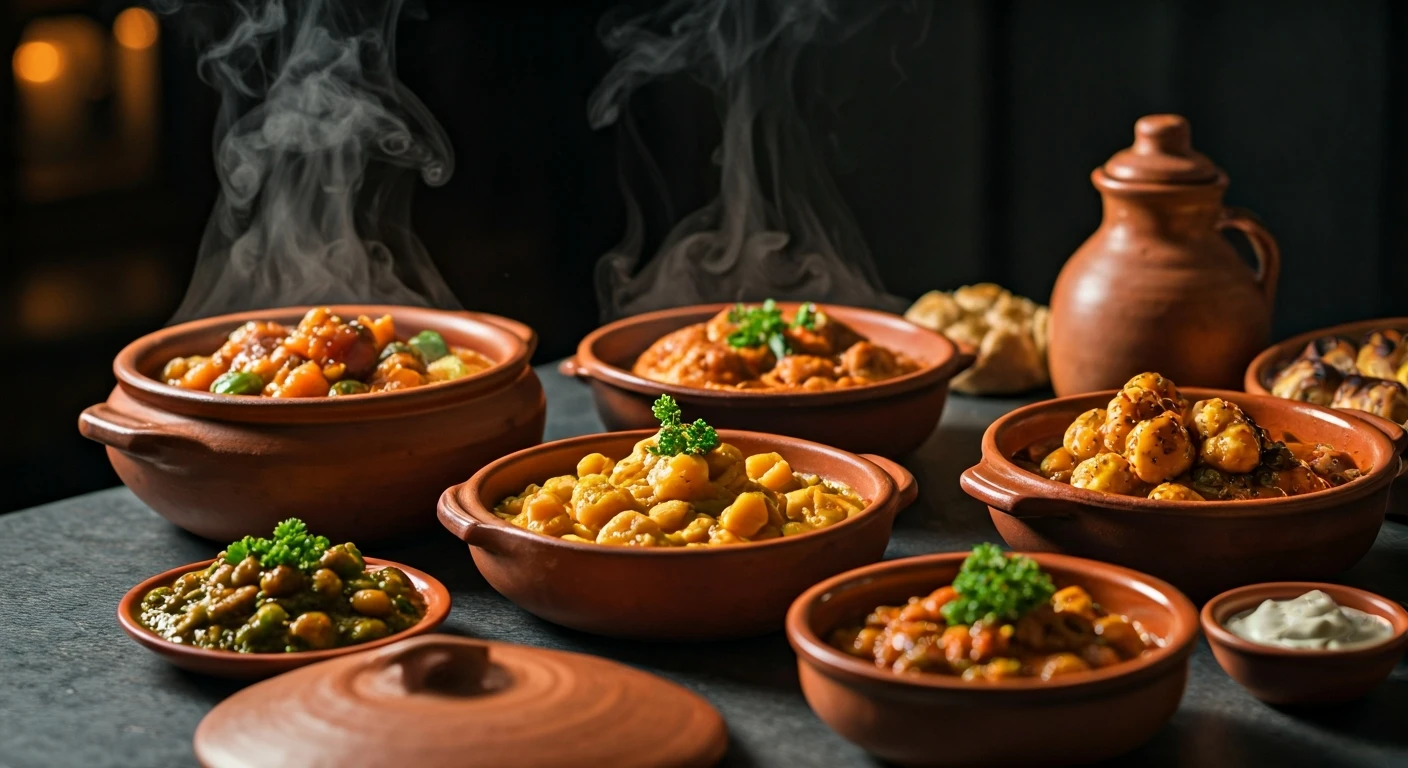
brings with it a complete shift in culinary desires. The light, cooling foods of summer are pushed aside for heartier, warmer, and deeply nostalgic fare. This isn’t about elaborate feasts or complex restaurant dishes. Monsoon dining is about the simple, immediate satisfaction of food that feels like a hug. It's a ritual shared by families and friends, often prepared spontaneously as the first fat raindrops begin to fall. The sound of sizzling oil, the aroma of ginger and cardamom, the warmth of a mug in your hands—these are the sensory hallmarks of the season.
The Irresistible Call of Fried Food
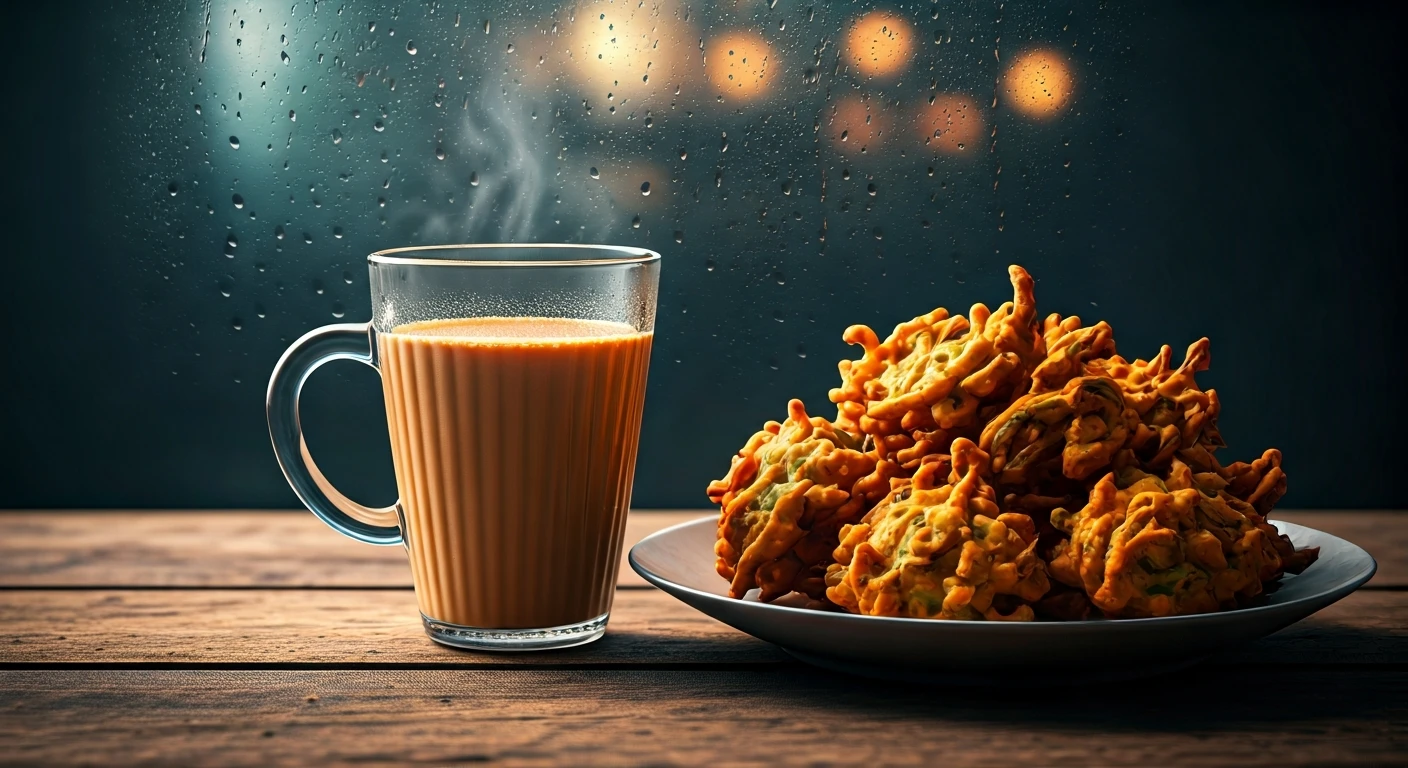
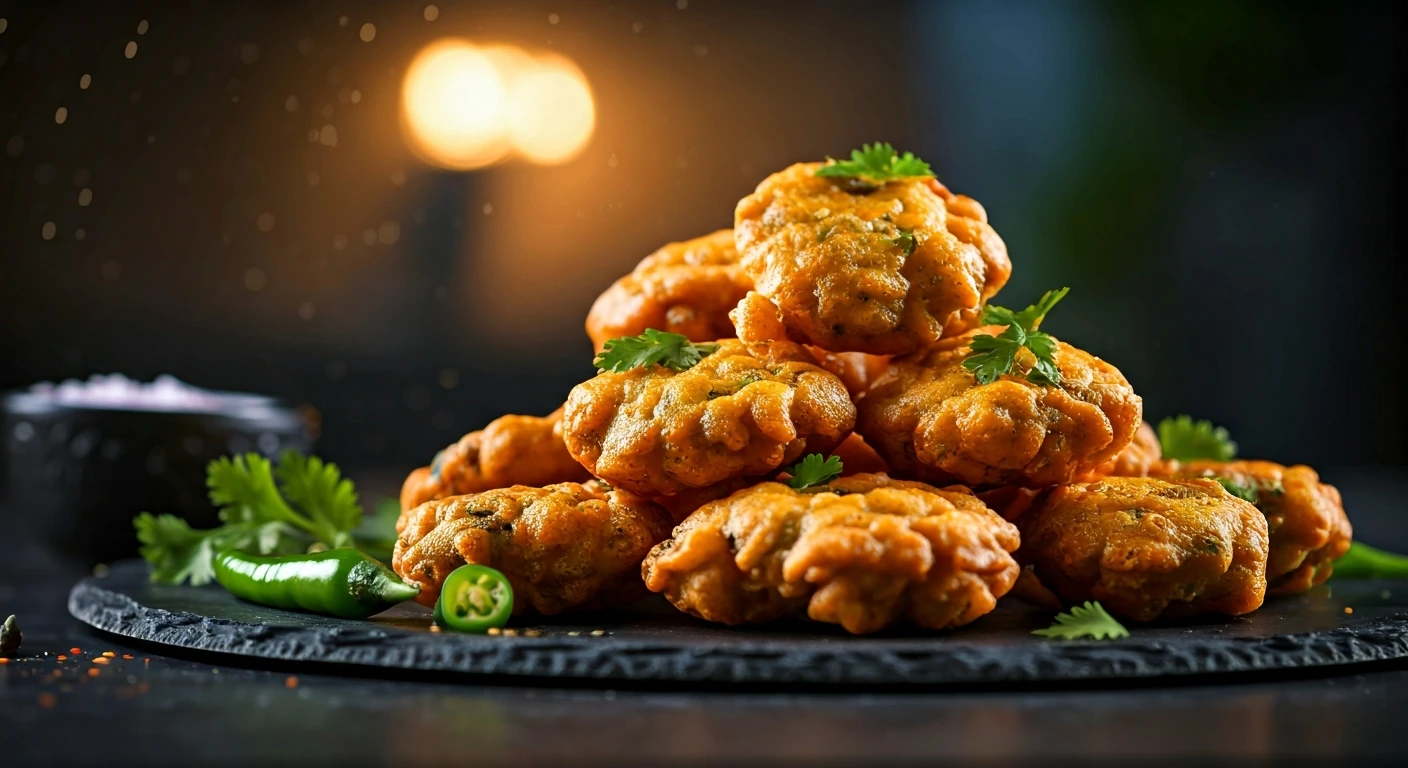
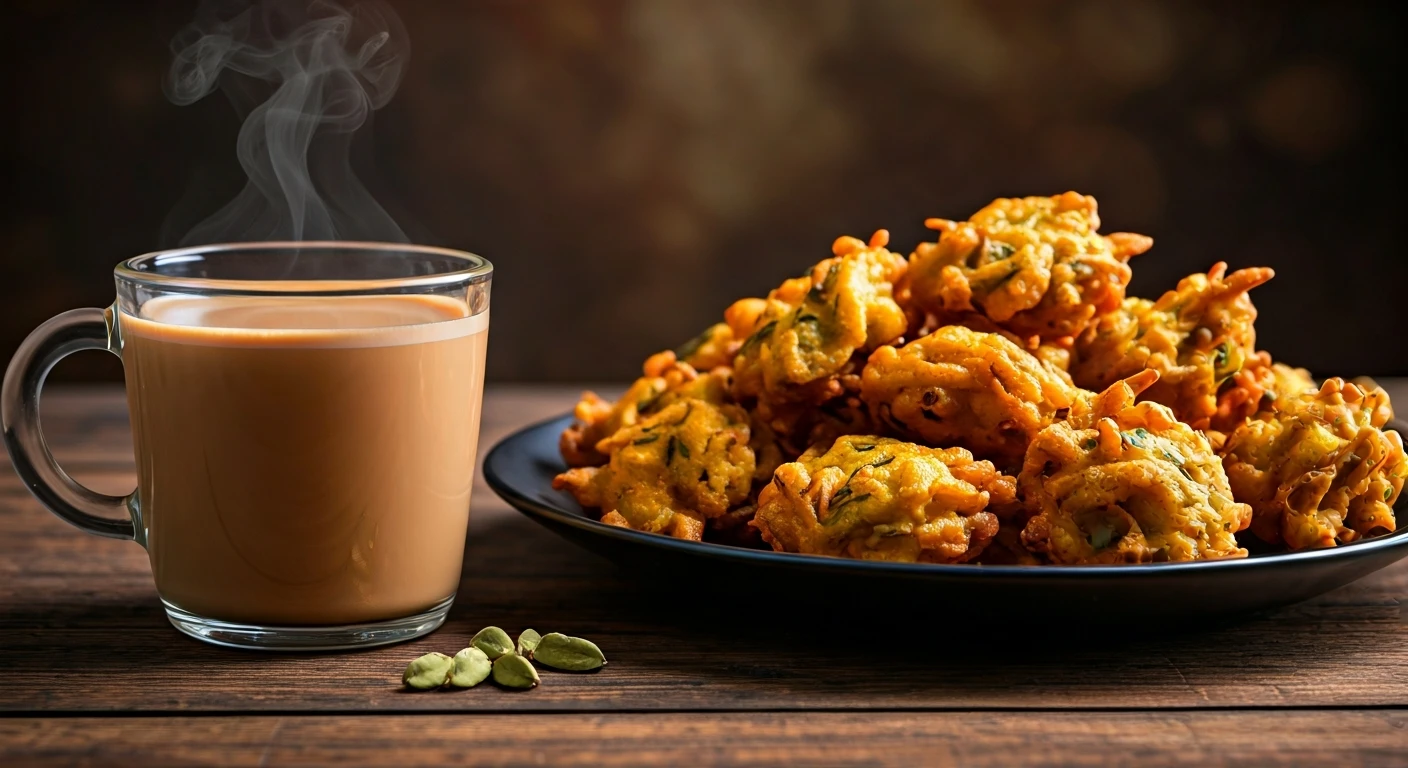
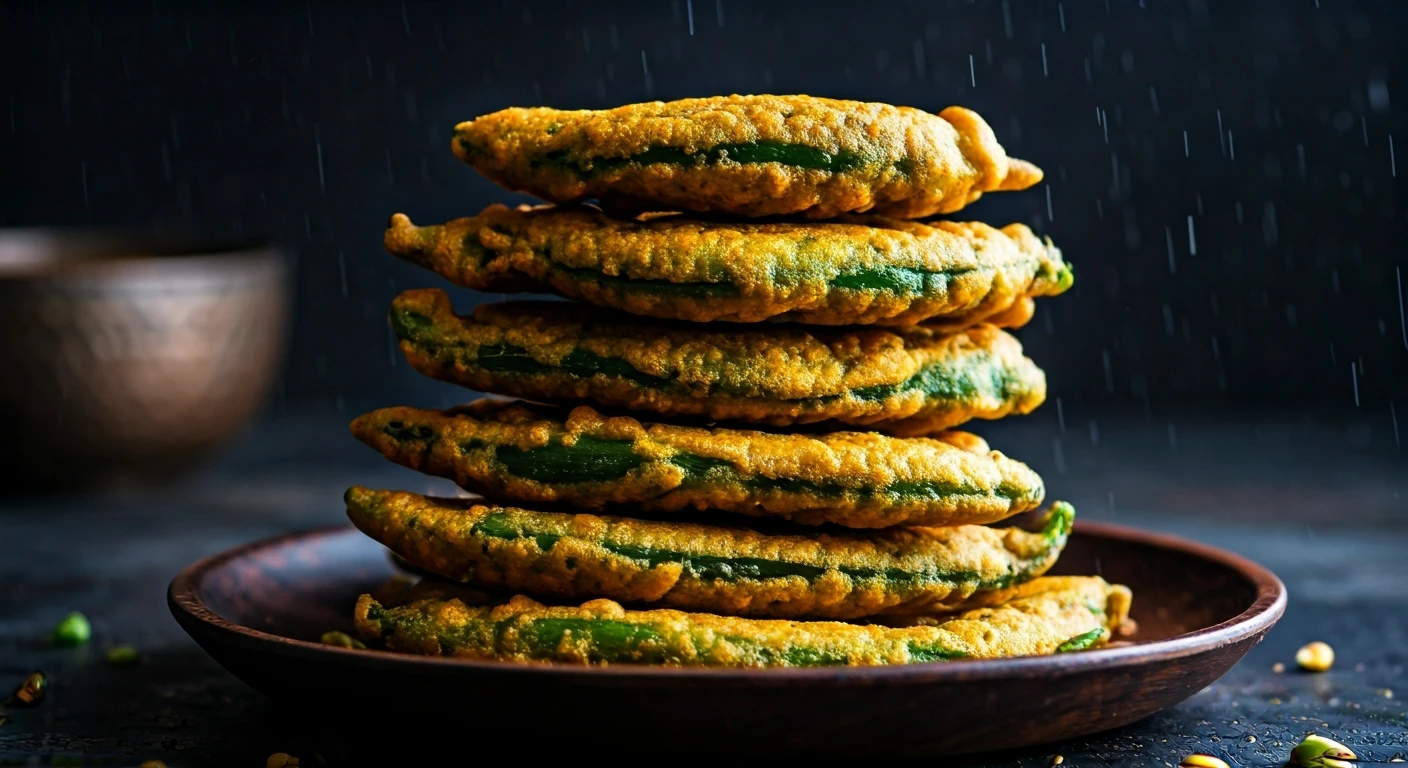
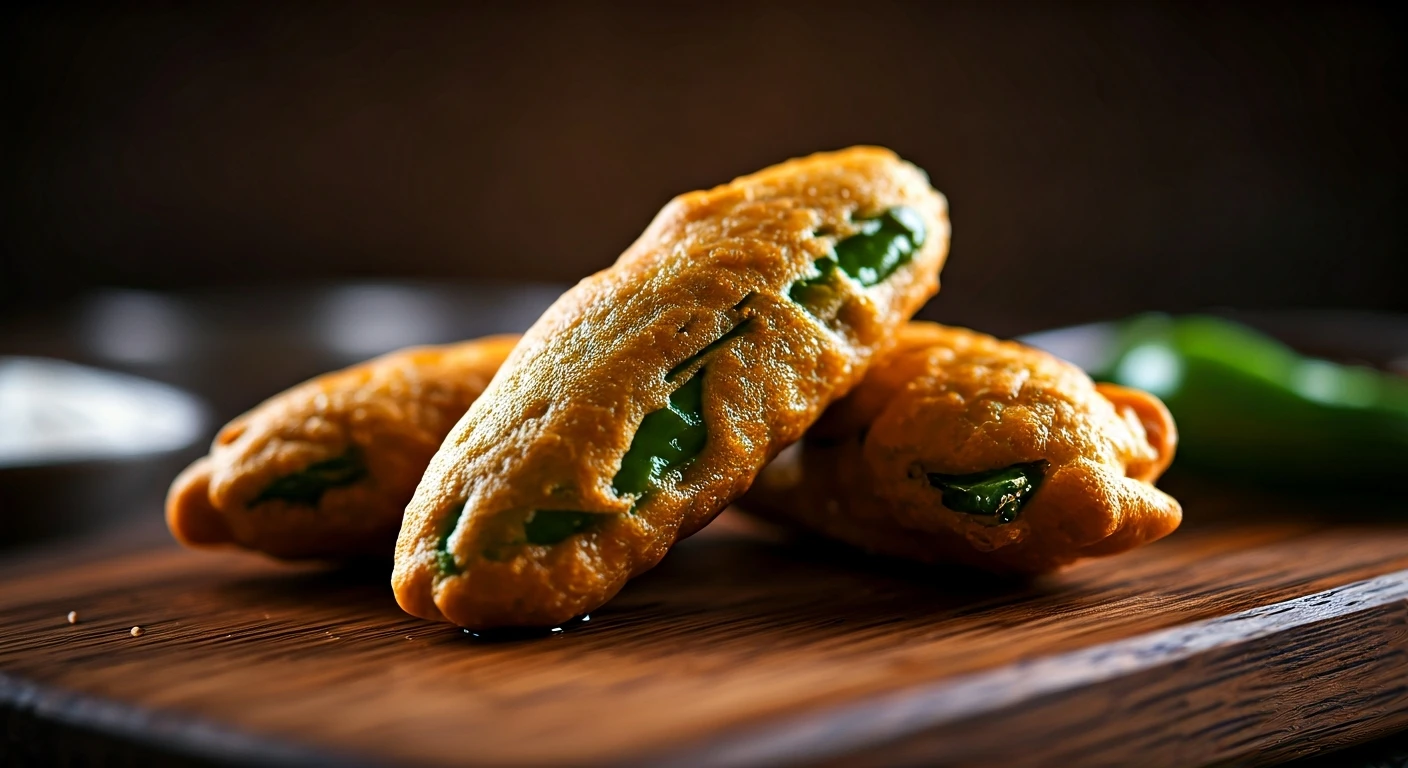
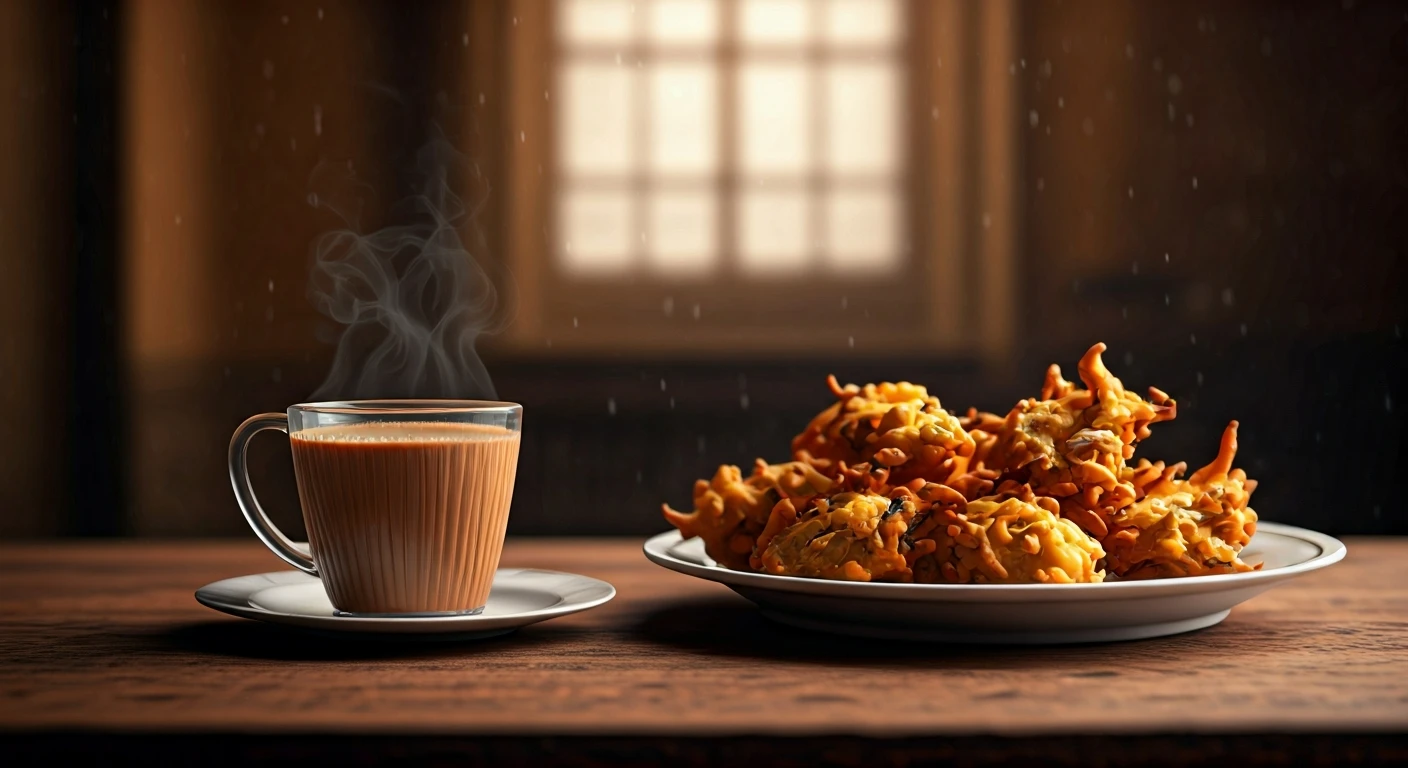
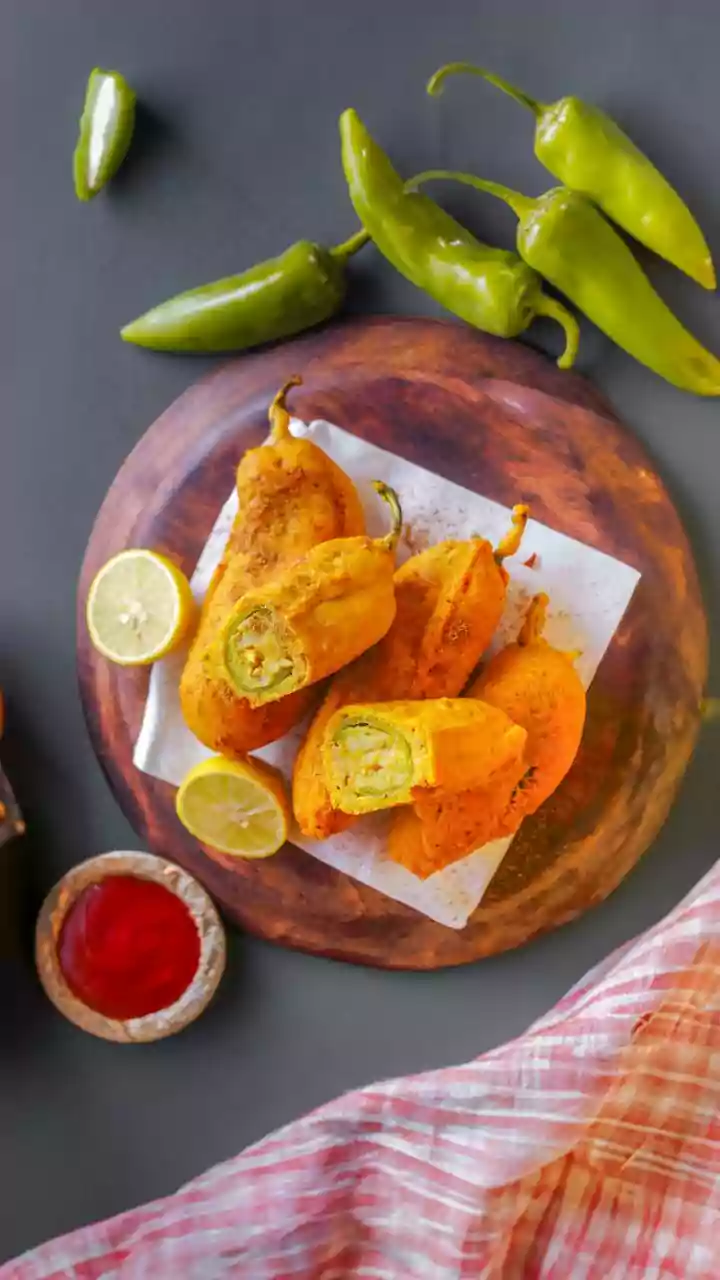
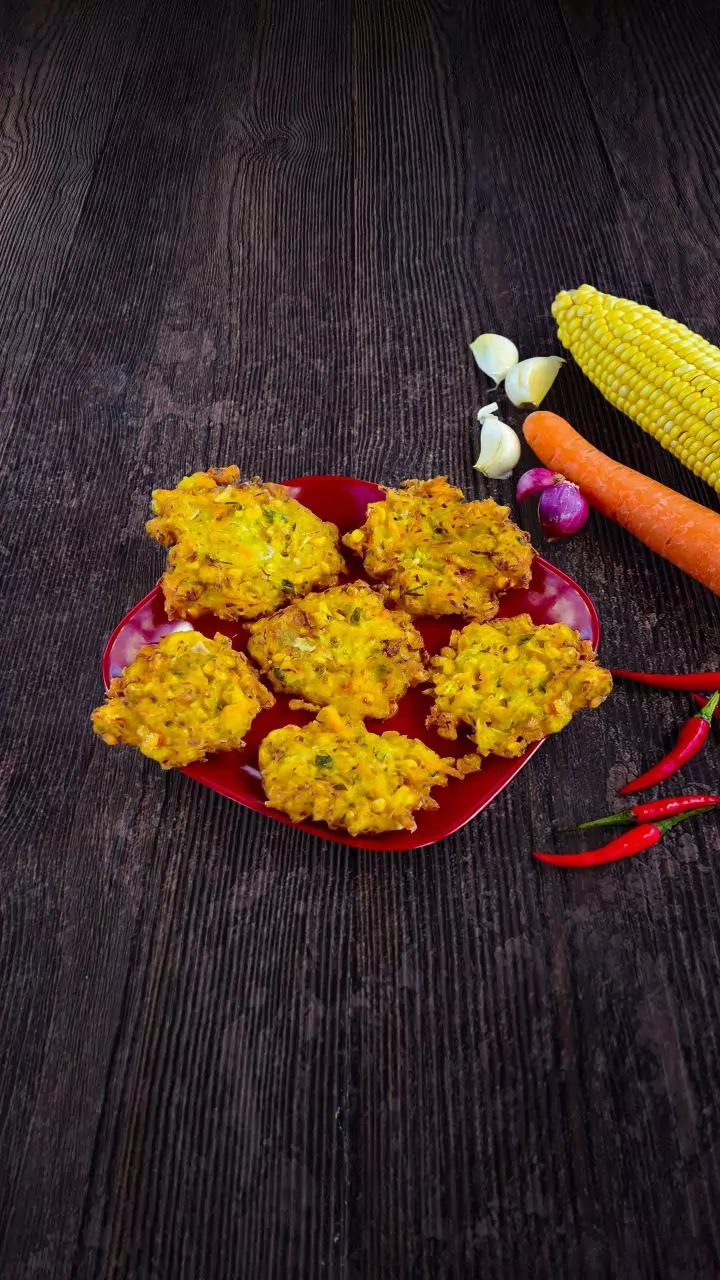
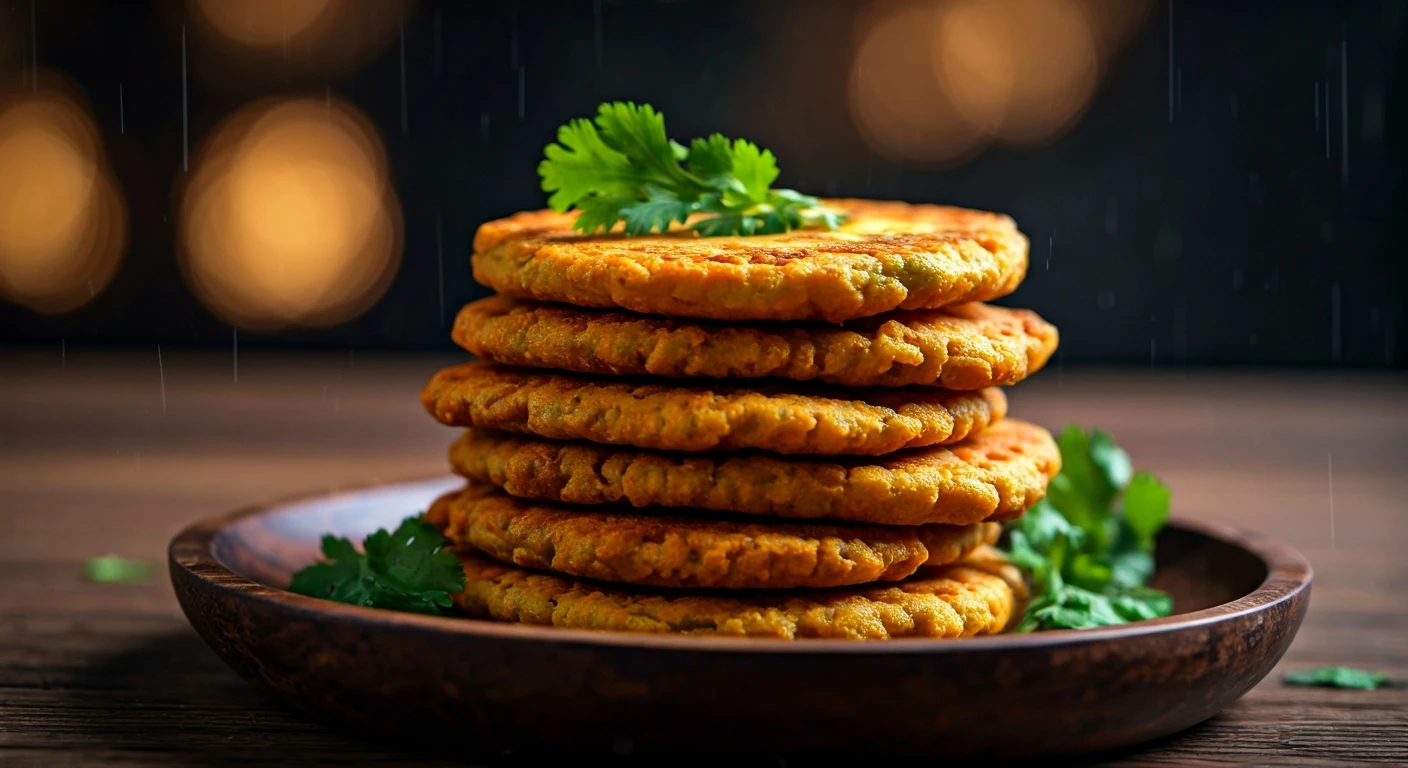
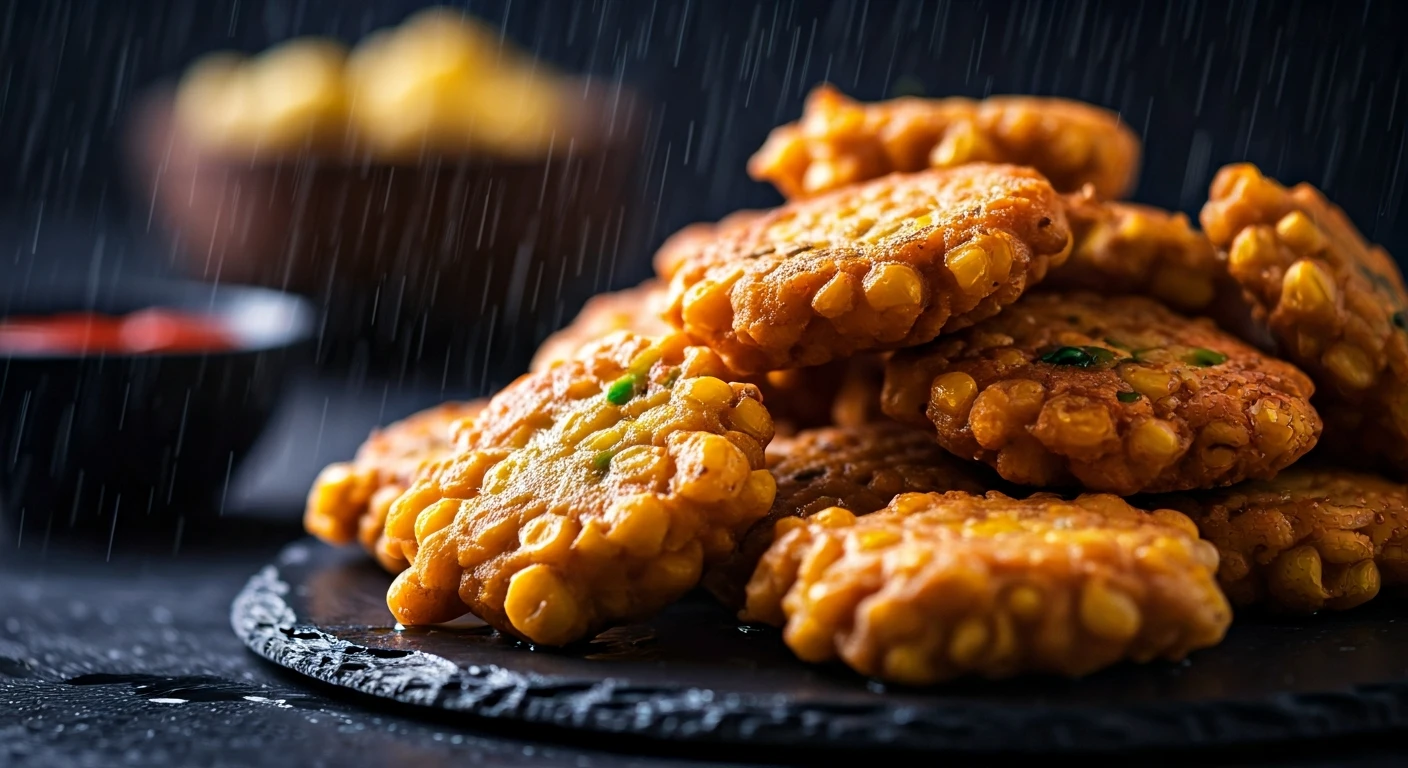
There is no monsoon without fried snacks. It’s practically a law of nature. As gray clouds gather, the craving for something hot, crispy, and savory becomes all-consuming. The undisputed king of monsoon snacks is the pakora. These are fritters made from vegetables like onion, potato, or spinach, dipped in a spiced chickpea flour batter and deep-fried to golden perfection. Served piping hot with mint chutney or tamarind sauce, their crunchy exterior and soft interior offer a perfect textural contrast to the damp, gray weather outside. Samosas, their triangular cousins stuffed with spiced potatoes and peas, are another non-negotiable. This craving isn't just random. There's a folk wisdom to it: the hot oil and warming spices are thought to counteract the dampness and sluggishness that can accompany the humid, rainy weather. It’s a social food, made for sharing while huddled together, watching the rain and trading stories.
A Warm Cup Against the Chill
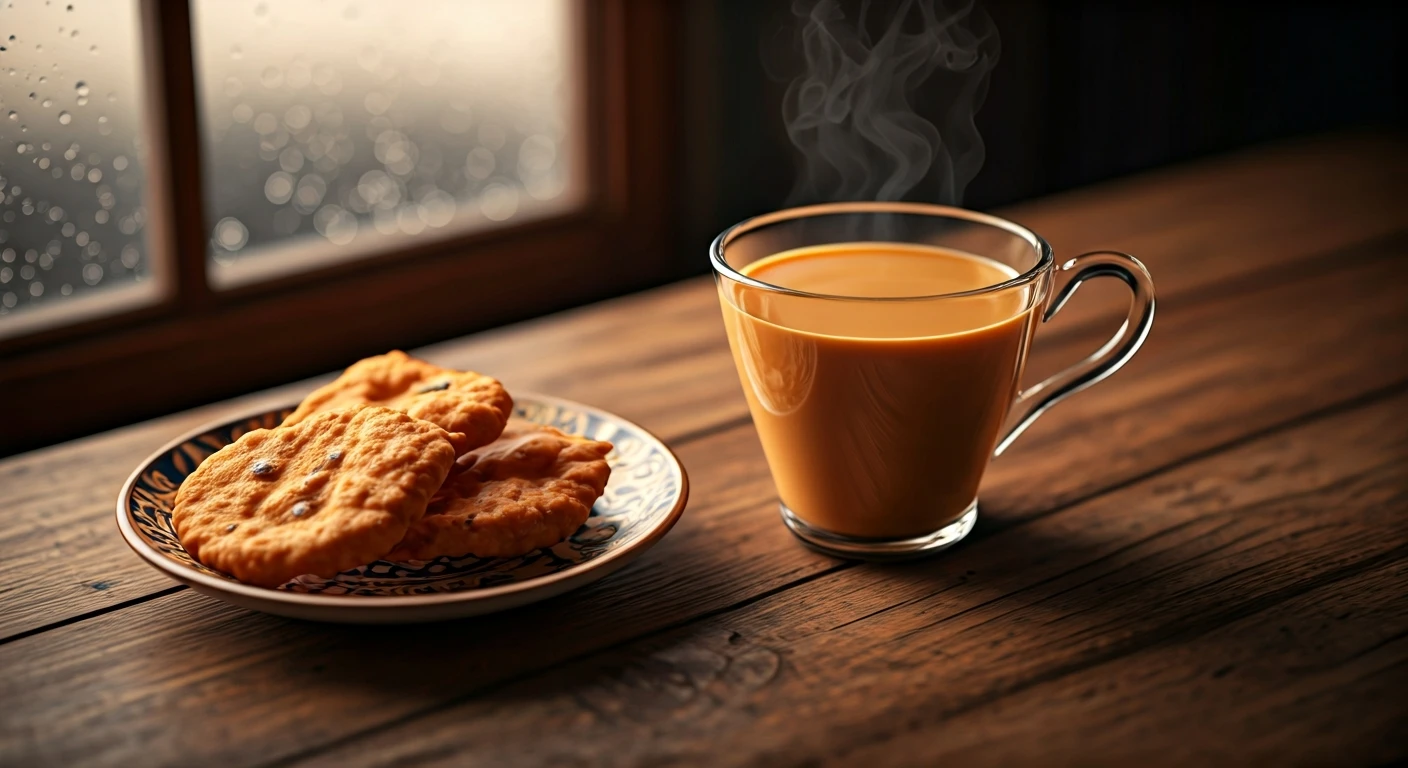
What pairs perfectly with a plate of hot pakoras? A steaming cup of masala chai. This isn't the lukewarm, vaguely spiced tea latte you might find at a generic café. This is the real deal: strong black tea, boiled with milk, sugar, and a potent blend of spices known as a 'masala.' The exact mix varies by household, but it typically includes crushed ginger, cardamom pods, cloves, cinnamon, and black peppercorns. The ginger and pepper provide a gentle heat that warms you from the inside out, a welcome sensation when the temperature drops and the air is thick with moisture. The ritual of making and drinking chai is as comforting as the drink itself. It’s a moment to pause, to watch the storm unfold from the safety of a window, and to let the aromatic steam and gentle warmth soothe your senses. For many, the smell of ginger-infused tea is the official scent of the monsoon.
The Ultimate Comfort Bowl
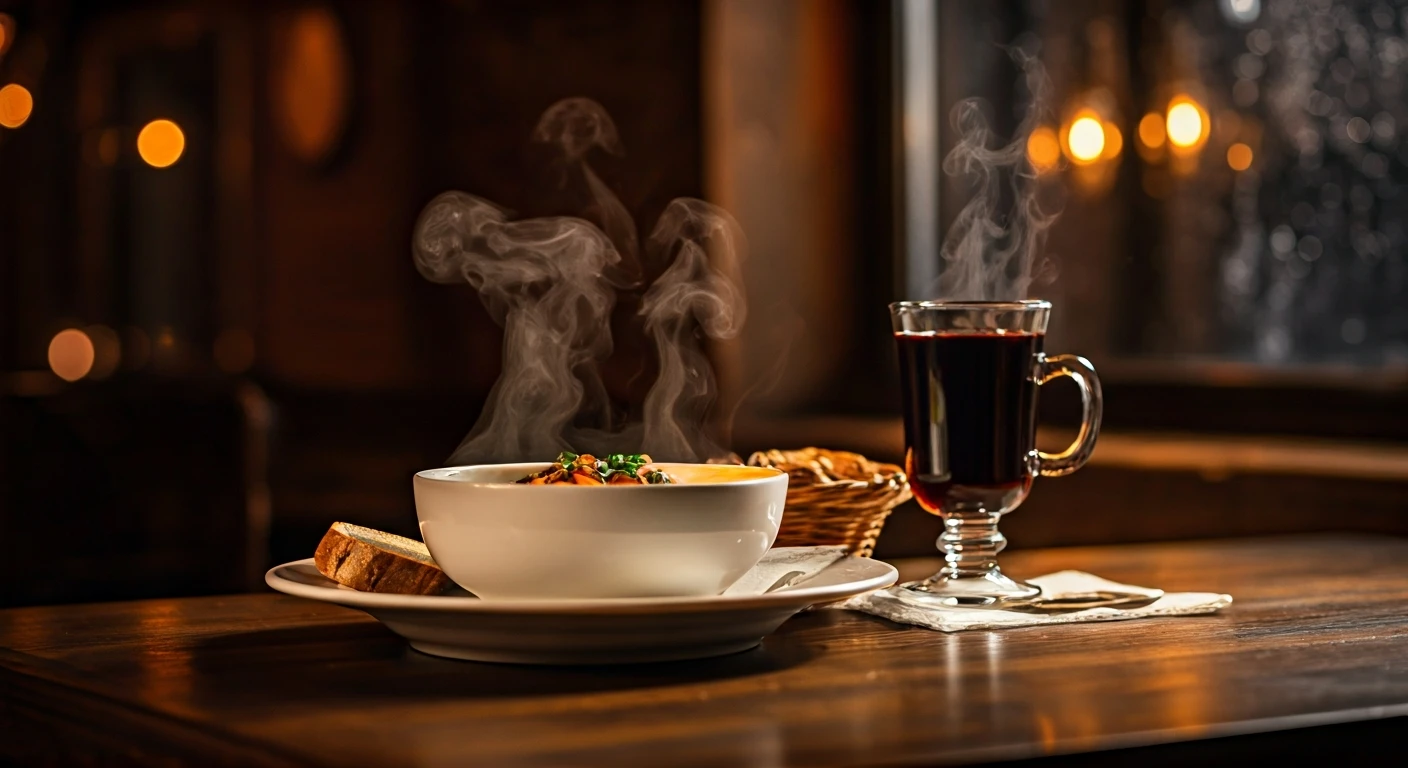
While fried snacks and chai are for afternoons, the ultimate monsoon comfort meal is khichdi. At its most basic, khichdi is a humble, one-pot dish of rice and lentils cooked together until soft and porridge-like. It’s the Indian equivalent of chicken noodle soup—what people eat when they’re sick, when they’re feeling down, or when they just need something simple and restorative. During the monsoon, its appeal is universal. Traditional Ayurvedic wisdom considers khichdi to be easily digestible, which is seen as a benefit when the body's 'digestive fire' is believed to be weaker during the damp season. It can be made incredibly simply or enriched with vegetables and a 'tadka'—a final tempering of ghee sizzled with spices like cumin seeds, turmeric, and asafoetida. A dollop of ghee on top, a side of yogurt, and some pickle are all it needs. It’s a dish that asks nothing of you and gives everything in return: warmth, nourishment, and a deep sense of well-being.