




What Exactly Is 'Exercise Snacking'?
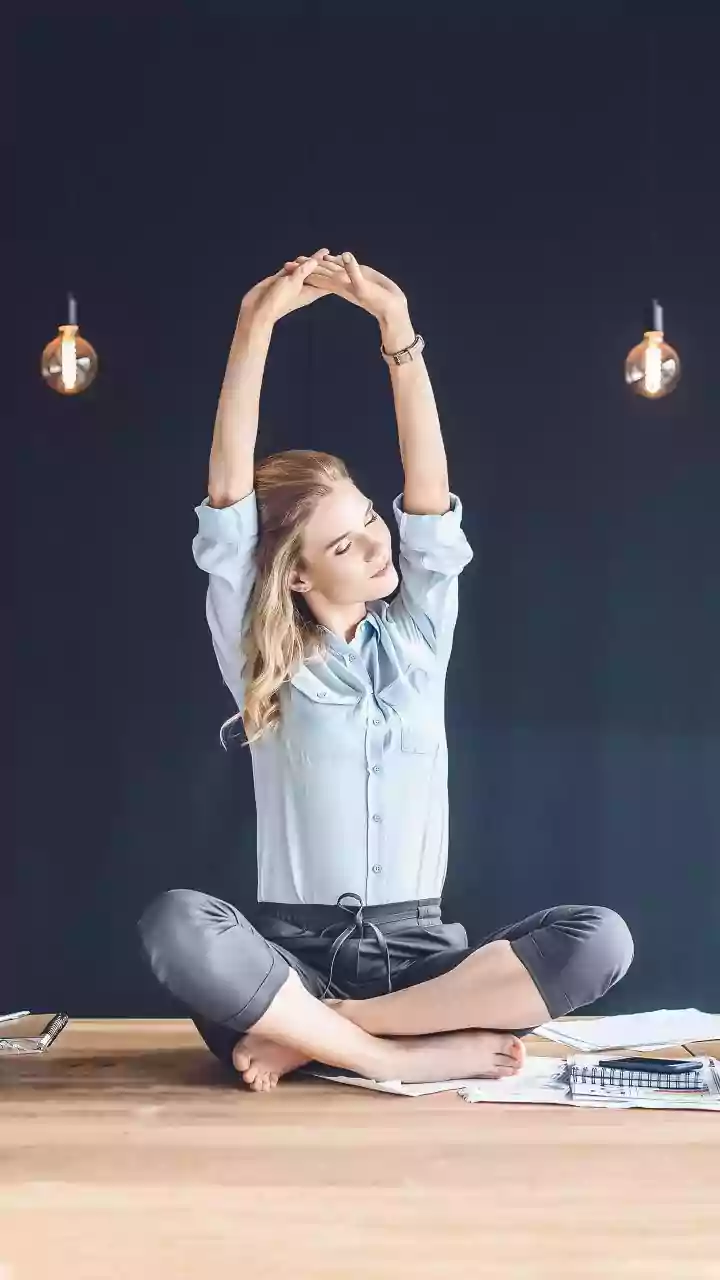
Forget carving out an hour for the gym. 'Exercise snacking' is a simple, science-backed concept: breaking up long periods of sitting with very short, intentional bursts of activity. We're talking one to two minutes at a time, scattered throughout your
day. The term was popularized by exercise scientists who found that these micro-workouts, when done consistently, can offer significant benefits. Unlike a full workout that requires changing clothes and a major time commitment, these are designed to be done right where you are, in the clothes you're wearing. The goal isn't to get totally breathless or drenched in sweat; it's to wake up your muscles, get your blood flowing, and tell your brain and body that it's time to refocus.
Why It Works for Desk Slumps
Sitting for prolonged periods causes blood to pool in your lower body, slows your metabolism, and can lead to that feeling of sluggishness and brain fog. A quick burst of movement acts like a hard reset. It elevates your heart rate just enough to pump oxygen-rich blood to your brain, improving alertness and cognitive function. Studies, including those from McMaster University, have shown that even short bouts of vigorous stair-climbing can improve cardiovascular fitness. Furthermore, movement triggers the release of endorphins—neurotransmitters that act as natural mood elevators and pain relievers. This is why a two-minute break can leave you feeling not just more awake, but genuinely more positive and ready to tackle your to-do list.
Snack 1: The Invisible Chair Sit
This classic is a powerhouse for your largest muscle groups: the glutes and quadriceps. Activating them sends a major wake-up call to your entire system. Simply stand up from your desk, find a clear patch of wall, and slide down until your knees are at a 90-degree angle, as if you're sitting in an invisible chair. Keep your back flat against the wall and your core engaged. Hold this position for 30 to 60 seconds. You'll feel the burn, which means it’s working. For the rest of your two-minute snack, perform 10-15 bodyweight squats. This combination quickly elevates your heart rate and re-engages a huge portion of your body's musculature.
Snack 2: The Desk Push-Up and Stretch
Your upper body holds a lot of tension from typing and hunching. This snack addresses that directly. Stand a few feet from your desk and place your hands on the edge, slightly wider than your shoulders. Keeping your body in a straight line from head to heels, perform 10-15 desk push-ups. The steeper the angle, the easier it will be, so adjust your feet accordingly. After your set, remain standing and clasp your hands behind your back. Straighten your arms and pull your shoulders back, opening up your chest. Hold this stretch for 30 seconds to counteract the 'desk slouch' posture. This combo tackles both strength and flexibility, leaving your upper body feeling refreshed and open.
Snack 3: The Cardio Burst
When you need a serious jolt of energy, nothing beats a quick cardio blast. This requires no equipment, just a little space. You can mix and match or choose one for the full two minutes. Try 30 seconds of high knees (running in place, bringing your knees up high), followed by 30 seconds of jumping jacks. Then, do 30 seconds of 'fast feet' (staying on the balls of your feet and running in place as fast as you can), and finish with 30 seconds of butt kicks (jogging in place, trying to kick your glutes with your heels). This sequence is designed to spike your heart rate quickly and efficiently, flooding your system with oxygen and endorphins for an immediate focus boost.
Snack 4: The Core and Posture Reset
A weak core contributes to poor posture and back pain. You can combat this right from your chair. Sit tall at the edge of your seat, with your feet flat on the floor. Without moving your feet, slowly twist your upper body to the right, using your core muscles. You can gently use your hands on the armrest or desk to deepen the stretch. Hold for 20 seconds, then repeat on the left. After a few reps on each side, perform 'seated cat-cows.' Place your hands on your knees, and as you inhale, arch your back and look up. As you exhale, round your spine and drop your chin to your chest. Repeat this 8-10 times to mobilize your spine and release tension.