



The Allure of the Storm
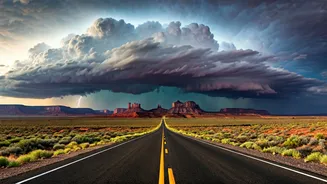
From roughly July through mid-September, the North American Monsoon transforms the arid landscapes of states like Arizona, New Mexico, and Utah. This isn’t a gentle drizzle; it’s a full-throated meteorological event. The phenomenon occurs when summer
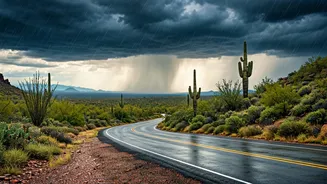
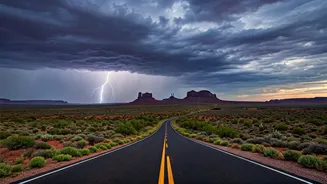
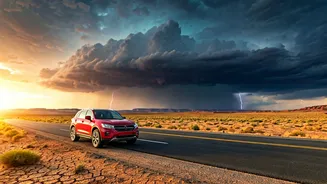
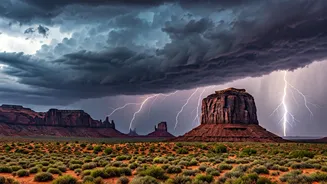
heat creates a low-pressure zone that pulls in moist air from the Gulf of California and Gulf of Mexico, resulting in spectacular, often-violent afternoon thunderstorms. For locals and savvy travelers, this isn’t a time to hide indoors. It’s an invitation to witness nature’s most impressive light show. A “monsoon drive” is a cherished tradition—a slow cruise meant for watching the sky churn, seeing lightning spiderweb across distant mountain ranges, and feeling the temperature drop 20 degrees in minutes. It’s a sensory overload in the best way: the deep rumble of thunder, the sudden gust of cool wind, and the earthy, iconic smell of petrichor as the first drops of rain hit the parched desert floor.
Prime Viewing: The Best Routes
The best monsoon drive isn't about reaching a destination; it's about the journey and the view. You want a route with wide-open vistas and safe places to pull over. In Arizona, the drive from Tucson up the Catalina Highway to Mount Lemmon offers a stunning elevation change, allowing you to drive up into the heart of a storm cell. The roads around the Superstition Mountains east of Phoenix provide a classic Sonoran Desert backdrop for towering thunderheads. In New Mexico, the High Road to Taos between Santa Fe and Taos offers breathtaking views of the Sangre de Cristo Mountains, where storms gather and roll across the valleys. Similarly, scenic drives through Utah’s Zion or Capitol Reef National Parks can offer incredible, if formidable, views of rain curtains sweeping across red rock canyons. The key is to stick to well-maintained, paved roads where you can observe from a safe distance, rather than venturing onto unpaved tracks that can quickly become impassable.
The Driver's Rulebook: Essential Safety
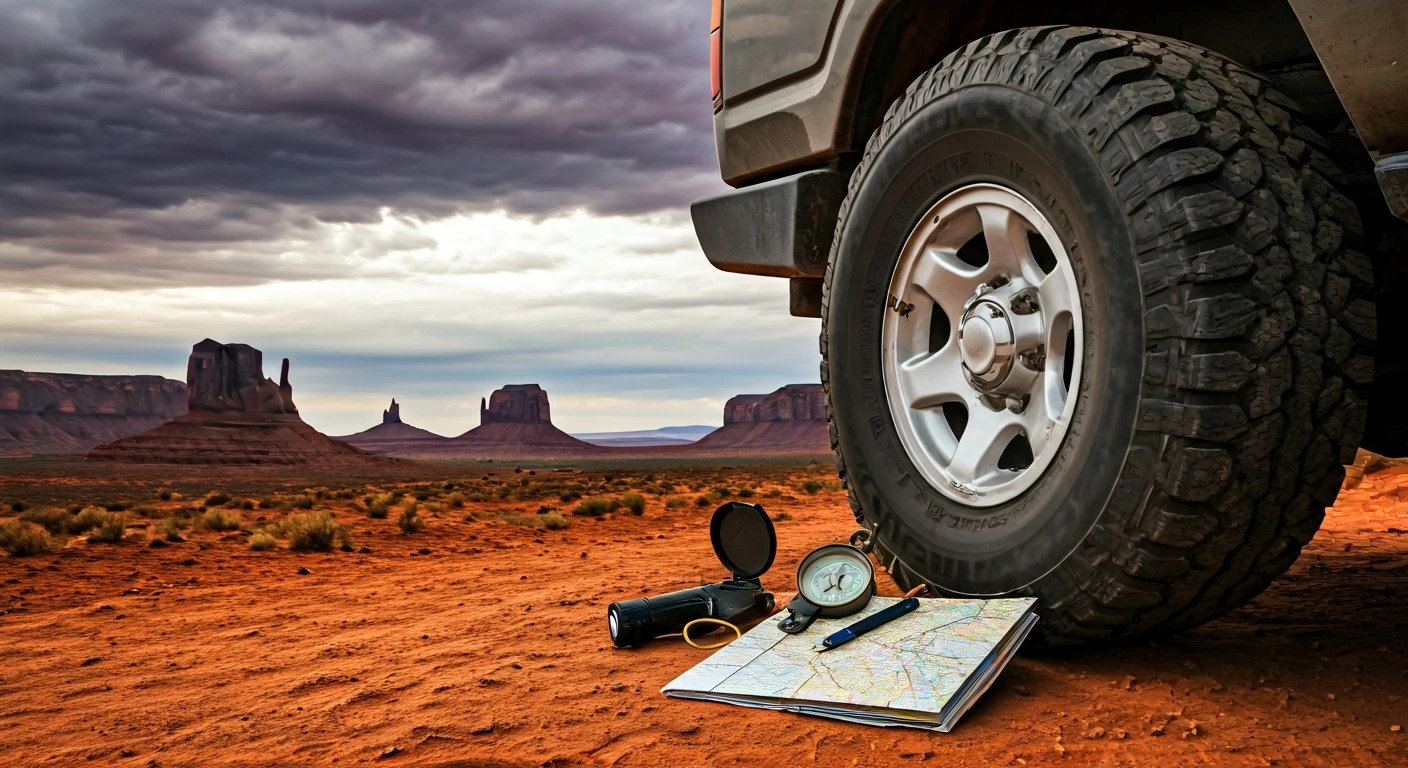
The beauty of the monsoon is matched only by its power, and safety must be your top priority. Flash floods are the single greatest danger. The dry, compacted desert soil cannot absorb sudden, heavy rainfall, funneling torrents of water into arroyos and washes that are dry just moments before. Never attempt to cross a flooded roadway. The Arizona Department of Transportation’s famous slogan, “Turn Around, Don’t Drown,” is a literal lifesaver. It only takes six inches of moving water to knock you off your feet and a foot to sweep away your vehicle. Before you even get in the car, check the forecast from the National Weather Service. Be aware of Flash Flood Watches and Warnings. If you're driving and encounter heavy rain, slow down, increase your following distance, and if visibility becomes too poor, find a safe spot to pull over completely off the roadway—not just on the shoulder. Wait for the worst of the storm to pass. Dust storms, or haboobs, often precede the rain and can drop visibility to zero in an instant. If caught in one, pull over, turn off your lights, and keep your foot off the brake.
Timing Is Everything
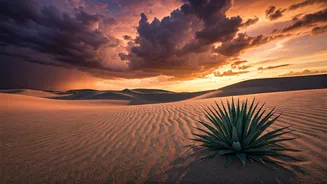
Monsoon storms are creatures of habit. They typically build throughout the heat of the day, fueled by solar energy, and unleash their fury in the late afternoon and early evening. The best time for a monsoon drive is often between 3 p.m. and 7 p.m. This timing offers the most dramatic visuals, as the setting sun can illuminate the storm clouds and rain shafts from behind, creating a spectacular display of light and color. A clear morning is no guarantee of a clear afternoon, so always be prepared. Using a reliable radar app on your phone can be a game-changer, allowing you to see where storm cells are forming and moving in real-time. This helps you position yourself for the best views while staying out of the direct path of the most severe weather, like hail or extreme winds. The goal is to be a spectator, not a participant in the storm's core.