


The Backlash Against Fad Diets
For years, urban India, much like the United States, flirted heavily with Western diet fads. The promises of keto, the allure of Paleo, and the quick-fix appeal of juice cleanses found a willing audience among those seeking modern solutions to health
concerns. But the boom is giving way to a more discerning perspective. Nutritionists and influencers across the country are now championing a message that feels both revolutionary and completely obvious: extreme restriction isn't sustainable. The pendulum is swinging away from imported, one-size-fits-all diet rules and back toward indigenous knowledge systems that have nourished the subcontinent for centuries. This isn't about rejecting progress; it's about realizing that the most practical and effective wellness plan might already be sitting in your grandmother's recipe book.
The Wisdom of the Thali
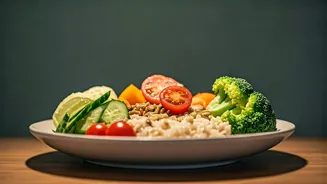
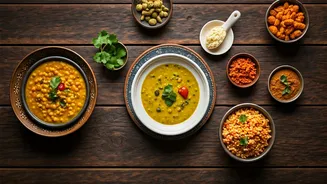
One of the most powerful symbols of this practical approach is the traditional Indian thali. A thali is a round platter featuring a collection of small bowls (katoris), each holding a different dish. It’s not just a meal; it's a complete nutritional philosophy on a plate. A typical thali offers a built-in guide to balanced eating: a portion of rice or flatbread for carbohydrates, a dal (lentils) or another legume for protein, a seasonal vegetable preparation (sabzi), a yogurt-based dish (raita) for probiotics, and often a small pickle or chutney for flavor and digestion. The thali's genius lies in its inherent variety and moderation. It teaches portion control without calorie counting and ensures a wide spectrum of nutrients in a single sitting. Instead of demonizing entire food groups, it celebrates their harmonious inclusion, making it the antithesis of restrictive dieting.
Ayurveda: Personalized, Not Prescriptive
At the heart of this movement is a renewed interest in Ayurveda, the ancient Indian system of medicine. While Westerners might associate Ayurveda with complex herbal treatments, its dietary principles are surprisingly simple and intuitive. The core idea is that there is no single “perfect diet” for everyone. Instead, Ayurveda suggests that we eat according to our unique mind-body constitution, or “dosha” (Vata, Pitta, Kapha). This framework encourages people to listen to their bodies and choose foods that promote balance. For example, a person with a fiery Pitta nature might be advised to favor cooling foods like cucumber and coconut, while a grounded Kapha type might benefit from light, spicy foods. This isn't a rigid set of rules but a guide to self-awareness, encouraging individuals to become the experts of their own bodies rather than blindly following an external plan.
Reframing Intermittent Fasting
Intermittent fasting may be a hot trend in Silicon Valley, but it's an age-old practice in India, deeply woven into cultural and religious life. Many communities have long practiced not eating after sunset, effectively creating a natural fasting window of 12-14 hours. This practice, known as “Ratri Bhojan Tyaga” in Jainism, was never about optimizing ketosis or boosting autophagy—it was about respecting the body's natural digestive cycles, which are weaker at night. The modern Indian wellness movement is reclaiming this concept, framing it not as a demanding bio-hack but as a gentle, common-sense way to give the digestive system a rest. It's about aligning with the body's natural rhythms, a far cry from the aggressive 20-hour fasts often promoted in Western wellness circles.
Grandmother’s Kitchen Is the New Guru
Ultimately, the shift toward practical eating is a celebration of what's local, seasonal, and ancestral. There's a growing appreciation for “grandmother’s wisdom”—using traditional fats like ghee in moderation, incorporating digestive spices like turmeric, ginger, and cumin, and eating fruits and vegetables when they are in season and at their nutritional peak. This approach is inherently sustainable, both for the body and the planet. It rejects the idea that you need expensive, imported “superfoods” like quinoa or kale when local powerhouses like millet and moringa (drumstick leaves) are readily available and better suited to the local climate and bodies. It’s a powerful reminder that true wellness often lies in rediscovering and honoring the simple, nourishing traditions that were there all along.