






From Medical Necessity to Wellness Gadget
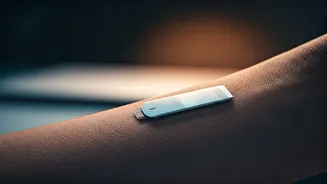
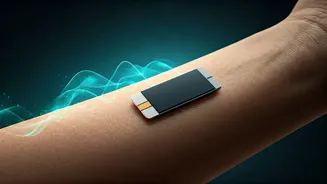
Until recently, if you saw someone wearing a CGM, it was safe to assume they were managing diabetes. These small devices use a tiny filament inserted just under the skin to track blood sugar levels in real-time, sending data to a smartphone. For millions
of people with diabetes, they are a life-changing, and often life-saving, tool that replaces painful, constant finger pricks and provides a clearer picture of their body's response to food, exercise, and insulin. But a new wave of venture-backed startups like Levels, Nutrisense, and Signos are reframing the CGM not as a medical device, but as a wellness optimization tool for the masses—or at least, for the masses who can afford it. They’ve built slick apps and subscription services around the hardware, promising to help healthy, non-diabetic users “unlock” their metabolic health, fine-tune their diet, and maximize their energy levels. The pitch is seductive: What if you could see, minute by minute, exactly how that bagel or that banana affects your body's performance?
The 'Quantified Self' Gets an Upgrade
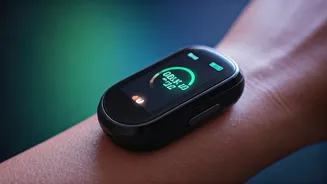
The rise of the wellness CGM didn't happen in a vacuum. It’s the logical next step in the “quantified self” movement, a trend that has seen millions of Americans embrace wearable technology to track their every move. We started with step counters, graduated to heart-rate-tracking watches, and then adopted sophisticated sleep-and-recovery rings like the Oura Ring and Whoop strap. Each of these devices promised to give us a new layer of data about our own biology, empowering us to make better choices. The CGM takes this a step further. While a fitness tracker tells you what you’ve done (e.g., “You walked 10,000 steps”), a CGM shows the direct biochemical consequence of what you’ve consumed. It turns eating into a live data experiment. For a culture obsessed with optimization, personalization, and gaining an edge, the appeal is obvious. It promises a level of granular control that a simple calorie-counting app could never provide.
A Signal of Wealth, Discipline, and Access
This is where the “status symbol” part comes in. Wearing a CGM is a form of conspicuous consumption for the modern wellness elite. First, there's the cost. These programs aren't cheap, often running several hundred dollars per month for the sensors and the accompanying app subscription. This price tag immediately places it in the realm of luxury goods, alongside boutique fitness memberships and expensive organic meal kits. Second, it signals discipline. A visible CGM tells the world you are so committed to your health that you are actively tracking your body’s internal chemistry. It's a silent boast of self-control and bio-literacy. Finally, it signals access and an in-the-know attitude. Like having the latest invite-only app or being an early investor in a crypto-token, wearing a CGM suggests you’re at the forefront of a new tech-driven health paradigm. It’s a way of saying, “I’m not just guessing about my health; I have the data.” In Silicon Valley, Hollywood, and elite fitness circles, it has become a subtle badge of honor.
The Skepticism and The Big Questions
Naturally, the trend has its critics. Many doctors and dietitians are quick to point out that for a healthy person without diabetes, minor fluctuations in blood sugar are normal and not necessarily problematic. The constant stream of data, they argue, can create unnecessary anxiety and even lead to a new form of disordered eating, where users become overly restrictive based on every small glucose spike. Is it truly healthy to develop a fear of eating a piece of fruit because your app shows a temporary rise in sugar? Furthermore, there's a debate about whether this is a solution in search of a problem. Critics contend that these companies are medicalizing normal bodily functions and profiting from the insecurities fostered by wellness culture. Instead of spending hundreds on a CGM, they argue, most people would get far more benefit from focusing on the well-established basics: eating whole foods, moving their bodies, getting enough sleep, and managing stress—no expensive sensor required.