






1. Clear Your Gutters and Downspouts
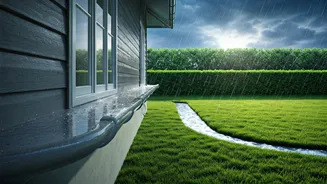
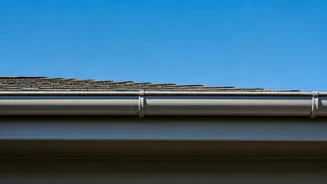
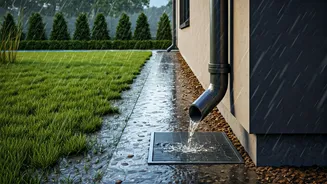
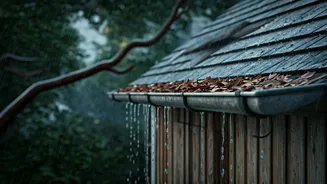
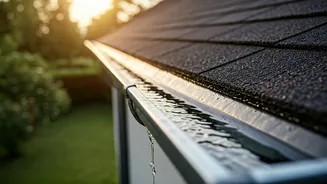
This is the most crucial—and most frequently neglected—task. Your gutters are the first line of defense against water damage, designed to channel thousands of gallons of water away from your home's foundation and walls. When they are clogged with leaves,
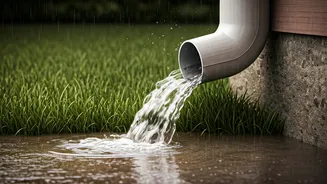
twigs, and other debris, that water has nowhere to go but over the edge, often pooling right next to your foundation. This can lead to a wet basement, soil erosion, and even structural damage. Take an afternoon to clear them out or hire a professional. While you're up there, check that downspouts are securely attached and directing water at least six feet away from the house. A simple downspout extender from a home improvement store is a cheap and effective fix.
2. Inspect the Roof and Flashing
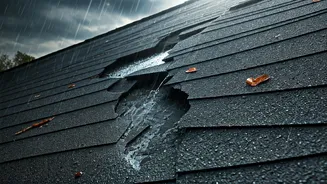
You don’t need to be a professional roofer to spot obvious trouble. Using binoculars from the ground, scan your roof for missing, cracked, or curling shingles. These are weak spots where water can easily penetrate the underlayment and decking, leading to interior leaks that can ruin ceilings and walls. Pay special attention to the flashing—the metal strips around chimneys, vents, and skylights. Flashing is notorious for failing before the shingles do. If you see any pieces that are bent, rusted, or pulling away from the structure, it’s a sign that a seal has been broken and needs to be repaired before the deluge begins.
3. Check Windows, Doors, and Siding
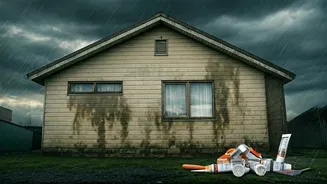
Wind-driven rain is incredibly resourceful at finding its way into your home. Walk the perimeter and inspect the seals around your windows and doors. Look for cracked caulk or weatherstripping that has become brittle and pulled away. These small gaps are an open invitation for water. A fresh tube of exterior-grade caulk is an inexpensive and simple DIY fix that can save you from dealing with rotted wood frames and water stains on your drywall. Also, give your siding a once-over for any cracks, holes, or loose panels that could trap water against the sheathing of your house.
4. Assess Your Yard's Grading
The ground immediately surrounding your house should slope away from the foundation. This simple concept, known as 'positive grading,' is essential for surface water management. After a heavy rain, if you see puddles forming against your house, you have a problem. Over time, soil settles, and that gentle slope can reverse, effectively funneling water directly toward your basement or crawl space. While re-grading your entire property is a major job, you can often solve minor issues by adding dense soil (like clay-heavy topsoil) to low spots against the foundation to build up the slope. The goal is a drop of about six inches over the first ten feet away from the house.
5. Test Your Sump Pump
If you have a basement or crawl space, your sump pump is the silent hero that protects you from flooding. But it's a mechanical device that can fail, and the worst time to discover it's broken is when you need it most. Testing it is easy. First, make sure it’s plugged into a working ground fault circuit interrupter (GFCI) outlet. Then, pour a bucket of water into the sump pit. The pump should kick on, drain the water, and then shut off. If it doesn't, or if it makes a strange noise, it needs to be serviced or replaced immediately. A battery backup system is also a wise investment, as severe storms that cause flooding often knock out the power, too.
6. Clear Drains and Window Wells
Beyond the major systems, don't forget the small details. Any exterior drains, like those at the bottom of a basement stairwell, should be free of leaves and dirt. If you have below-grade windows, ensure the window wells aren't filled with debris that can hold water against the glass and frame. A simple scoop-out can prevent a cracked window or a significant leak. Think of it as clearing the way for water to escape your property as quickly and efficiently as possible.