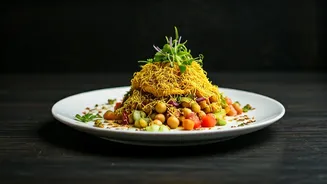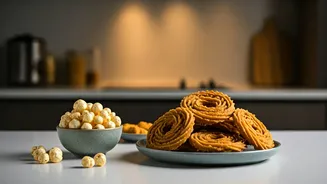

The Golden Ritual of Fried Snacks
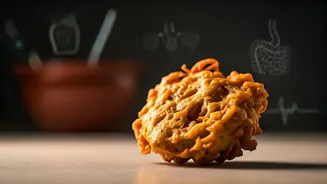
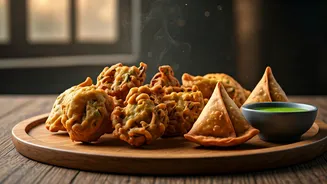
In many Indian households, the ritual of preparing fried snacks is a cornerstone of hospitality and comfort. Think of a rainy afternoon accompanied by a plate of crispy onion pakoras (fritters) and a steaming cup of masala chai. Or the arrival of unexpected
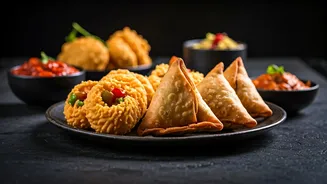
guests, instantly prompting the sizzle of something savory hitting hot oil. Samosas, with their spiced potato filling encased in a shatteringly crisp shell, aren't just food; they're an event. These delights, from vadas to kachoris, are deeply woven into the fabric of daily life, street food culture, and festive celebrations. For decades, the authentic taste of these treats was inseparable from one non-negotiable technique: deep-frying. It was the only way to achieve that perfect golden-brown exterior and tender interior, a texture and flavor profile passed down through generations.
The Problem with Perfection
But that perfection came at a cost. Deep-frying is a production. It requires a significant amount of oil, which can't easily be reused and is a pain to dispose of. The process can fill a home with a greasy haze that lingers for hours. And for the modern, health-conscious cook, the sheer amount of oil absorbed by the food is a major drawback. This created a dilemma for many, especially in the Indian diaspora: how do you honor the comforting flavors of your heritage while fitting them into a contemporary lifestyle that prioritizes health and convenience? Baking was an option, but it often resulted in dry, dense snacks that missed the point entirely. The satisfying crunch and lightness were lost. For a long time, these beloved snacks were relegated to weekend projects or special occasions, too indulgent and labor-intensive for a regular Tuesday.
The Air Fryer Enters the Kitchen
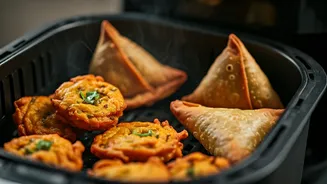
Then came the air fryer. Initially marketed to American consumers as a way to make healthier french fries and chicken wings, this countertop convection oven began finding its way into kitchens of all backgrounds. For Indian-American home cooks, it was a revelation. The appliance, which works by circulating superheated air at high speed, promised the crispiness of frying with a fraction of the oil. Suddenly, the impossible seemed possible. You could achieve a crunchy, satisfying exterior on a samosa with just a light brush of oil. Pakoras, typically submerged in a wok of bubbling fat, could be made with a teaspoon of oil drizzled over the batter. The results weren't an exact one-to-one replica of their deep-fried ancestors, and purists were quick to point this out. The texture is a slightly different kind of crisp—lighter, sometimes drier, but undeniably good. It was a trade-off almost everyone was willing to make.
A New Weeknight Tradition
The transformation wasn't just about health; it was about accessibility. The air fryer eliminated the highest barriers to entry for making traditional snacks: the mess, the time, and the guilt. Want just four samosas for an evening snack? No need to heat up a quart of oil. Just pop them in the air fryer basket for 10-12 minutes. This convenience has turned once-special-occasion foods into weeknight staples. It has empowered a younger generation, who may have been intimidated by their parents' or grandparents' deep-frying prowess, to try their hand at making family recipes. Food bloggers and YouTubers have built entire communities around air-fried Indian recipes, sharing tips on how to adapt batter consistency or how to get the perfect golden color on a batch of aloo tikki (spiced potato patties). The gadget has become a bridge, connecting the desire for traditional flavors with the realities of modern life.