





It’s Not About Hating Dinner
Let's get one thing straight: this isn't an outright war on pot roast or a protest against charcuterie boards. Instead, the shift from stuffy dinners to casual 'matcha parties' signals a deeper evolution in social values, driven by a generation prioritizing
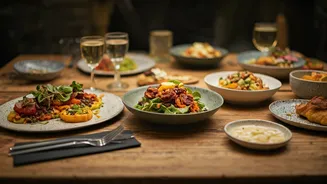
wellness, authenticity, and experiences over formal traditions. While a literal 'matcha party' might be more of a symbolic trend than a weekly occurrence in every Gen Z household, it represents a much broader move away from alcohol-centric, high-pressure social events. The dinner party, with its implicit rules of etiquette, expensive wine contributions, and hours spent sitting in one place, feels increasingly out of sync with a generation that values flexibility, low-stakes connection, and activities that don't leave you with a hangover.
The Sober-Curious Social Scene
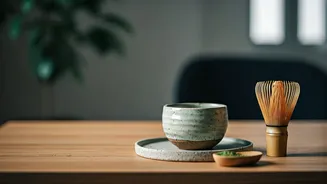
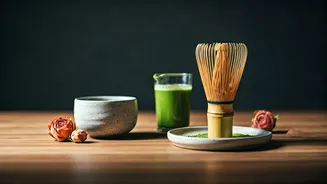
The single biggest driver behind this change is Gen Z’s evolving relationship with alcohol. Numerous studies have shown that this generation drinks significantly less than millennials and Gen Xers did at the same age. The 'sober curious' movement isn't just a niche wellness trend; it's becoming a mainstream social default. Consequently, the automatic 'let's grab a drink' or 'come over for wine' invitation is losing its universal appeal. Gatherings built around non-alcoholic alternatives—like meticulously whisking ceremonial-grade matcha, blending elaborate smoothies, or exploring artisanal teas—are on the rise. These events remove the awkwardness for non-drinkers and re-center the purpose of the gathering from intoxication to genuine connection.
Wellness as the Main Event
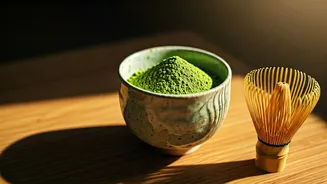
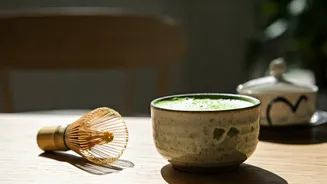
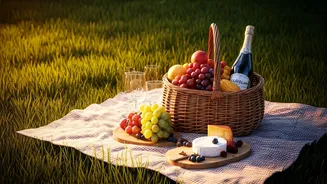
Matcha isn't just a beverage; it's a symbol of the wellness culture that Gen Z has embraced. It’s packed with antioxidants, it promises calm alertness thanks to L-theanine, and it photographs beautifully. A 'matcha party' is inherently a wellness event. It aligns with values of self-care and mindful consumption, a stark contrast to the heavy, indulgent nature of a traditional three-course dinner. This mindset extends beyond drinks. Think of social gatherings that now resemble low-key wellness retreats: group hikes followed by a picnic, 'crafternoons' involving pottery or knitting, or a quiet evening of journaling and vision-boarding with friends. The goal isn't just to be together; it's to do something that feels restorative and positive for the mind and body.
An Economy of Hanging Out
Let's not forget the financial reality. Hosting a proper dinner party is expensive. The ingredients, the drinks, the pressure to create a perfect tablescape—it all adds up. For a generation grappling with student debt, high rents, and economic uncertainty, a multi-hundred-dollar social event is a big ask. Similarly, being a guest can be costly, with expectations to bring a nice bottle of wine or a specific dish. An activity-based hangout is often far more accessible. Pitching in for a tin of matcha or a few craft supplies is a fraction of the cost. This economic accessibility makes socializing more frequent and less stressful, democratizing the ability to host and build community without a significant financial barrier.
It’s an Activity, Not an Obligation
Perhaps the most appealing aspect of the 'matcha party' model is its focus on a shared activity. A traditional dinner party can sometimes feel like a performance, with conversation as the only structured entertainment. This can put immense pressure on guests and hosts alike. An activity—whether it’s learning to whisk matcha, painting watercolors, or playing a board game—provides a natural focal point. It eases social anxiety, gives people something to do with their hands, and creates shared memories. The conversation flows more naturally around the activity rather than being forced. It’s a shift from passive consumption to active participation, making the time spent together feel more dynamic and purposeful.