



Your Gut Is An Ecosystem
Inside your digestive tract lives a bustling community of trillions of microorganisms—bacteria, fungi, and viruses—collectively known as your gut microbiome. This isn't just a random assortment of tenants; this ecosystem is a vital partner in your health.
It helps digest food, produces essential vitamins, regulates your immune system, and even influences your mood. But for this community to flourish, it needs a diverse environment. Different microbes thrive on different types of food. When you eat the same handful of foods day in and day out, you're only feeding a small fraction of that population. The others get starved out, leading to a less resilient and less beneficial microbiome.
The 30-Plant-a-Week Guideline
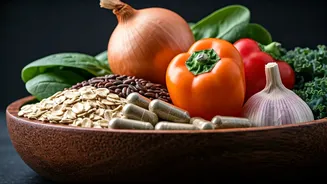
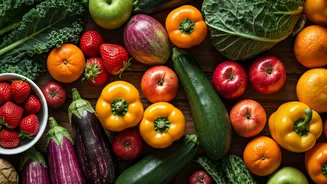
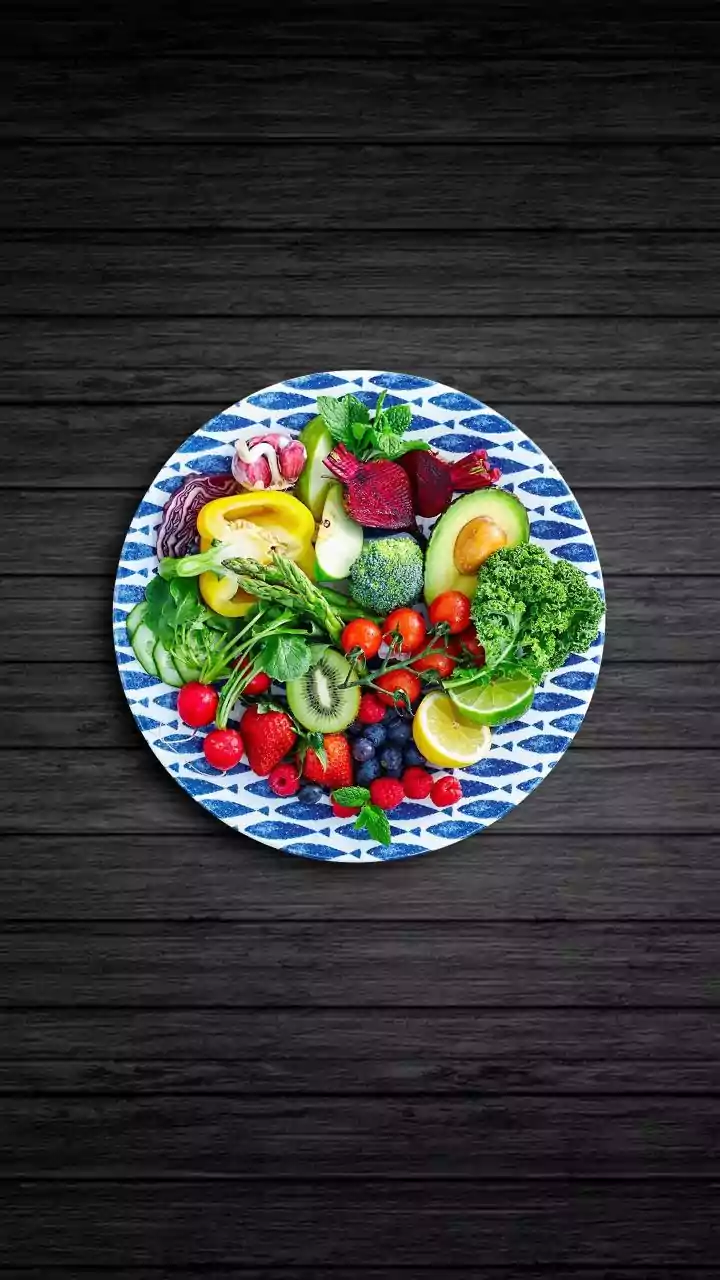
So, how much variety is enough? A landmark study from The American Gut Project found a significant difference in the gut health of people who ate 30 or more plant-based foods per week compared to those who ate 10 or fewer. The 30+ group had a more diverse microbiome, which is linked to better health outcomes. This might sound intimidating, but 'plant' is a broad category. It includes fruits, vegetables, whole grains, legumes (beans, lentils, chickpeas), nuts, seeds, herbs, and spices. Each one counts as one point. A handful of almonds is one, a sprinkle of oregano on your pizza is another, and the onion and garlic in your pasta sauce are two more. Suddenly, 30 seems much more achievable.
Think Addition, Not Restriction
The beauty of the food playlist approach is that it’s about discovery, not deprivation. You don’t have to give up your favorite go-to meals. Instead, focus on small additions and simple swaps. The goal is to gently nudge your diet towards greater diversity without a stressful, all-or-nothing overhaul. Start by thinking about where you can add one new thing. Could you toss a handful of spinach into your smoothie? Sprinkle some chia seeds on your yogurt? Order the side of roasted Brussels sprouts instead of fries? Each small change is a new 'track' for your gut, slowly building a richer, more robust playlist.
Simple Ways to Hit 'Play'
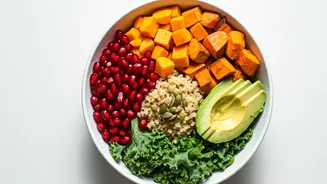
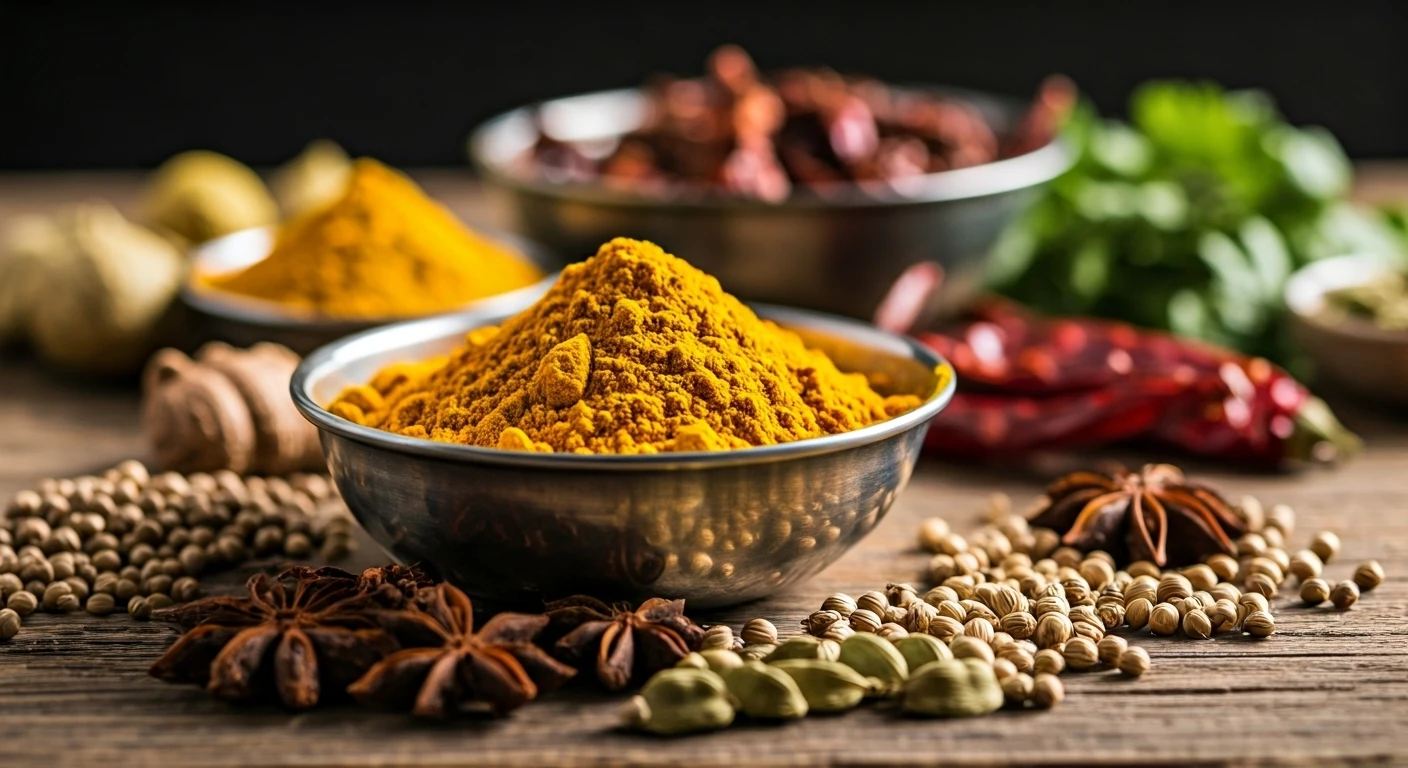
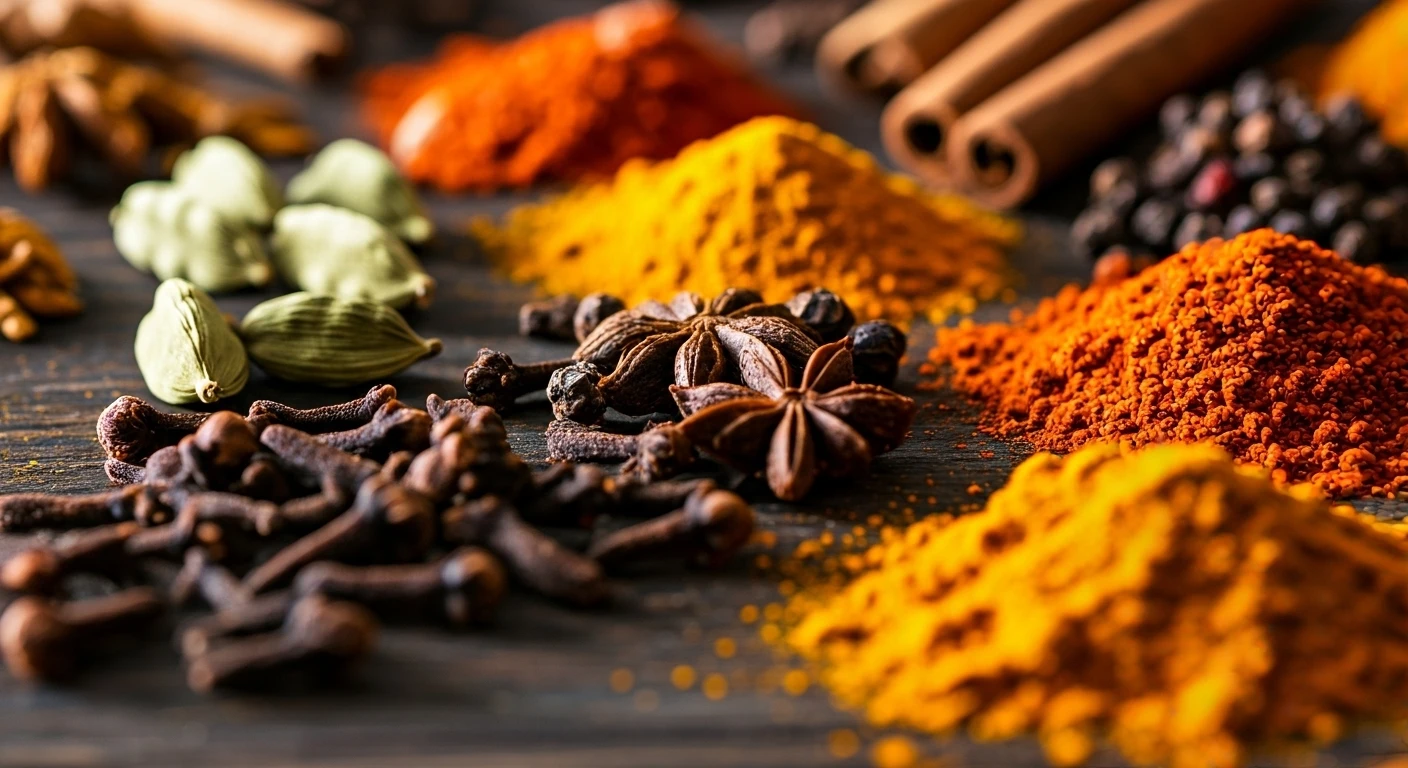
Ready to get started? Here are some simple, low-effort strategies to broaden your food horizons: 1. **Vary Your Grains:** If you always use white rice, try brown rice, quinoa, or farro next time. If your go-to bread is whole wheat, try a seeded rye or sourdough. 2. **Explore the Produce Aisle:** Each week, challenge yourself to buy one fruit or vegetable you haven't had in a while, or have never tried. That weird-looking romanesco? Give it a shot. Those purple carrots? They're packed with unique phytonutrients. 3. **Lean into Legumes:** Beans, lentils, and chickpeas are cheap, versatile, and fantastic for your gut. Add a can of black beans to your chili, toss chickpeas onto your salad, or make a simple lentil soup. 4. **Go Nuts (and Seeds):** A small handful of mixed nuts or a sprinkle of sunflower and pumpkin seeds on a salad can add two or three points to your weekly count. 5. **Don't Forget Herbs and Spices:** Fresh herbs like parsley, cilantro, and basil are nutritionally distinct plants. Using a variety in your cooking is an easy win.