


The Backlash to 'Instagram Travel'
Remember the era of ‘Instagram travel’? It wasn’t that long ago. The goal was simple: to capture a very specific, pre-approved image of a destination. Think of the woman in a flowing dress gazing at the Santorini caldera, the disembodied hand holding
a gelato in front of the Colosseum, or the perfectly framed shot of hiking boots dangling over a canyon. For a while, the photo *was* the trip. But a subtle exhaustion has set in. The pressure to perform for an online audience, the crowded queues for the same shot, and the nagging feeling that the experience was more about validation than vacation have led to a collective travel burnout. The ‘postcard-perfect’ holiday, it turns out, often feels hollow once the camera is put away. Travelers are realizing that a trip meticulously curated for social media feeds often lacks the spontaneity, genuine connection, and personal discovery that make travel truly restorative. The pursuit of flawlessness was creating a travel experience that was, ironically, deeply flawed.
So, What Is a 'Meaningful' Trip?
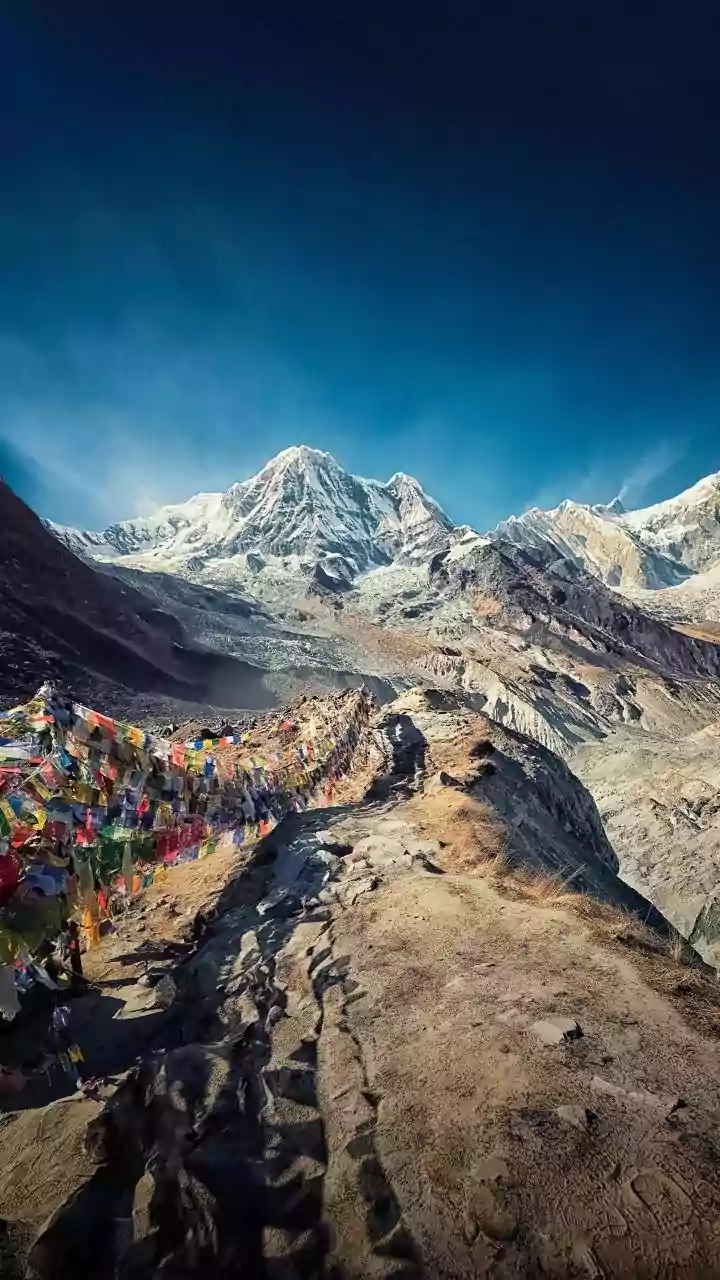
If the postcard is out, what’s in? The answer isn't a single type of itinerary but a shift in intention. A 'meaningful' trip is one driven by purpose rather than place. It’s less about where you go and more about *why* you're going. For some, it's about learning. This could be a week-long pasta-making course in Bologna, a Spanish immersion program in Guatemala, or a photography workshop in Yellowstone. The souvenir isn't a trinket; it's a new skill. For others, it's about connection. This includes the rising trend of ancestral tourism, where people travel to the towns their great-grandparents left behind, walking the same streets and forging a connection to their own history. It could also mean 'voluntourism,' where travelers dedicate part of their trip to a local conservation or community project, seeking to give back to the places they visit. And for many, it’s about personal growth. These are the trips that challenge us: trekking the Annapurna Circuit, walking the Camino de Santiago, or taking a solo journey to a place that pushes you out of your comfort zone. The goal isn’t relaxation in the traditional sense, but transformation.
The Post-Pandemic Reassessment
This trend was simmering for years, but the pandemic threw it into hyperdrive. After being confined, restricted, and forced to confront what truly matters, people’s relationship with travel fundamentally changed. The privilege of moving freely around the world suddenly felt more precious. When borders reopened, the desire wasn't just to escape, but to engage. The idea of spending thousands of dollars to lie on a beach felt insufficient for the moment. Industry reports from travel giants like Booking.com and American Express Travel consistently show that post-pandemic travelers are prioritizing authentic experiences, personal enrichment, and trips that create lasting memories over generic resort stays. This ‘Great Reassessment’ has reshaped travel from a form of consumption into a tool for self-discovery and connection.
From 'Bucket Lists' to 'Purpose Lists'
The classic travel bucket list was a checklist of destinations: see the Eiffel Tower, walk the Great Wall, visit the Pyramids. It was a geography-based to-do list. Today’s traveler is increasingly building a ‘purpose list’ instead. The focus is shifting from the 'what' and 'where' to the 'how' and 'why.' Instead of ‘Go to Japan,’ the goal becomes ‘Learn the art of kintsugi from a master in a small Japanese village.’ Instead of ‘Visit Peru,’ it’s ‘Hike with a local guide to understand the history of the Inca Trail.’ This reframing changes everything. It prioritizes depth over breadth, participation over observation, and personal narrative over a shared, generic script. It acknowledges that the most valuable thing you can bring back from a trip isn't a photo, but a story—and the best stories are the ones you truly lived, not just posed for.