








Beyond Six-Packs and Spin Class
If you’ve scrolled through social media lately, you’ve likely seen it: people dunking themselves in ice baths, breathwork gurus promising calm, and influencers talking about 'downregulating' after a stressful day. This isn’t just an evolution of the self-care
trend; it’s a fundamental shift in how we define being well. The conversation is moving from a purely physical, aesthetics-driven model of fitness to an internal, systems-based one. The new goal isn’t necessarily to run a faster mile, but to build a more resilient internal state. In a world of chronic stress and digital overload, the ultimate luxury is no longer a chiseled physique, but a calm, regulated nervous system that can handle life’s pressures without short-circuiting.
Your Body’s Internal Operating System
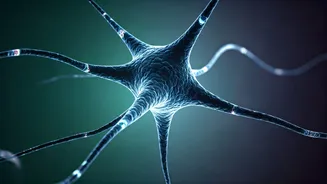
So, what are we actually talking about here? Your autonomic nervous system is the master control panel for your body's unconscious functions, like breathing, heart rate, and digestion. It has two main branches. The sympathetic nervous system is your 'gas pedal'—it triggers the 'fight-or-flight' response, flooding you with adrenaline and cortisol to handle a perceived threat, whether it’s a looming deadline or, historically, a saber-toothed tiger. The parasympathetic nervous system is the 'brake'—it governs the 'rest-and-digest' state, promoting calm, recovery, and repair. The problem is, modern life keeps our collective foot slammed on the gas pedal. Constant pings, unrelenting news cycles, and work pressures mean many of us live in a state of low-grade, chronic sympathetic activation. This leads to burnout, anxiety, inflammation, and poor sleep. 'Nervous system health' is simply the practice of learning how to consciously apply the brake.
Why This, and Why Now?
The boom in nervous system awareness is a direct response to our times. The collective trauma and uncertainty of the pandemic era left millions feeling frazzled and emotionally depleted, creating a hunger for tools that offer genuine relief, not just distraction. Traditional wellness advice—'just exercise' or 'eat a salad'—felt insufficient for the profound sense of unease. This new focus offers an explanation and a solution. It validates the feeling of being perpetually 'on edge' and provides a tangible framework for addressing it. The popularization of concepts from sources like Stephen Porges's Polyvagal Theory (which offers a more nuanced map of our nervous system states) has given people a language to describe their internal experiences, moving beyond generic terms like 'stressed out.'
From Theory to TikTok Trend
The practices associated with nervous system regulation aren't all new—many are rooted in ancient traditions—but they've been repackaged for a modern audience. Deliberate, slow breathing exercises (like box breathing) are a direct way to signal to your brain that you're safe and activate the parasympathetic 'brake.' Cold exposure, from a cold shower to a full-on ice plunge, acts as a short, intense stressor that trains your system to recover and regulate more efficiently. Somatic exercises, which involve tuning into the physical sensations in your body, help release stored tension. Even seemingly simple acts, like spending time in nature, getting morning sunlight, or humming, can have a measurable impact on your vagal tone—a key marker of nervous system health. These practices are gaining traction because they offer a sense of agency. Instead of feeling like a victim of stress, you have a toolkit to actively manage your internal state.