

The Foundation: Why Texture Matters
In the world of interior design, texture is the element that speaks to our sense of touch, even from across the room. While color and pattern capture the eye, texture creates a deeper, more subconscious experience. A smooth, cold marble surface feels
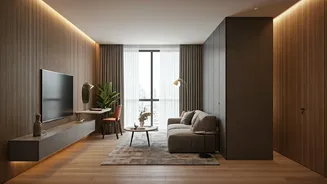
clean and minimalist, while a chunky wool knit feels cozy and inviting. In a compact flat, where you can't rely on grand architectural features, a rich interplay of textures does the heavy lifting. It prevents the space from feeling flat and one-dimensional, adding a “visual weight” that mimics the complexity and substance of a much larger home. Instead of just seeing a room, you begin to *feel* it. This sensory engagement is the very definition of luxury.
Mastering Material Contrast
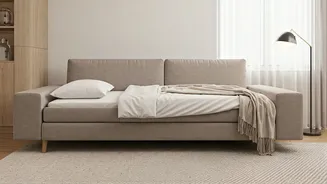
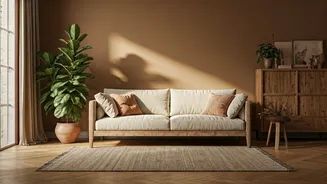
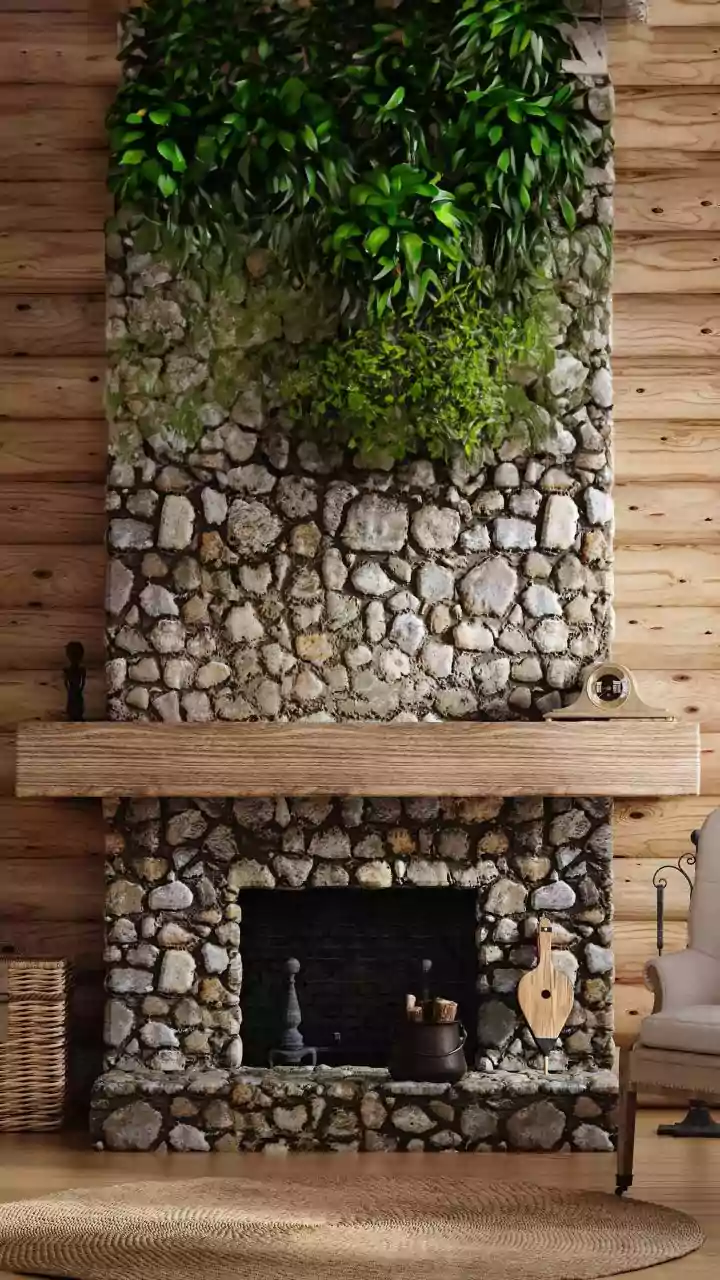
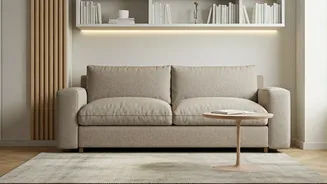
The key to a successful multilayered look is contrast. Placing similar textures side-by-side can make them cancel each other out. The real magic happens when you juxtapose different materials. Think about pairing opposites: the raw, nubby texture of a linen sofa against the smooth sheen of a silk pillow; a rough-hewn wooden coffee table on a soft, high-pile rug; or a sleek leather armchair next to a wall with textured grasscloth wallpaper. This push-and-pull between hard and soft, rough and smooth, matte and shiny creates a dynamic tension that is incredibly pleasing to the eye. It forces each element to stand out, highlighting its unique qualities while contributing to a cohesive, sophisticated whole. Start by identifying the dominant texture in your room—often the sofa or rug—and consciously choose contrasting pieces to build around it.
Layering from the Ground Up
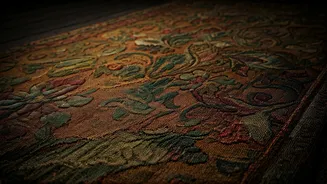
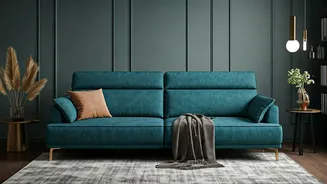
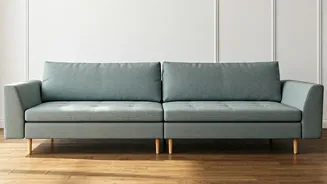
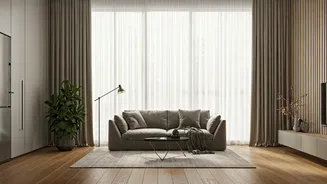
Creating a multilayered layout is a systematic process that starts from the floor and moves upward. Begin with a foundational texture, like a large area rug. A jute or sisal rug provides a natural, earthy base, while a vintage-style wool rug adds softness and pattern. On top of that, you introduce your furniture—a velvet sofa, a boucle armchair, a wooden media console. From there, you add the middle layers: throw blankets (cashmere, faux fur, or a waffle-knit cotton), decorative pillows in various materials (velvet, embroidered linen, cowhide), and window treatments like flowing sheer curtains layered with heavier velvet drapes. Each layer adds a new dimension without taking up precious floor space. This vertical approach ensures the room feels full and curated, not cluttered.
The Subtle Power of Sheen
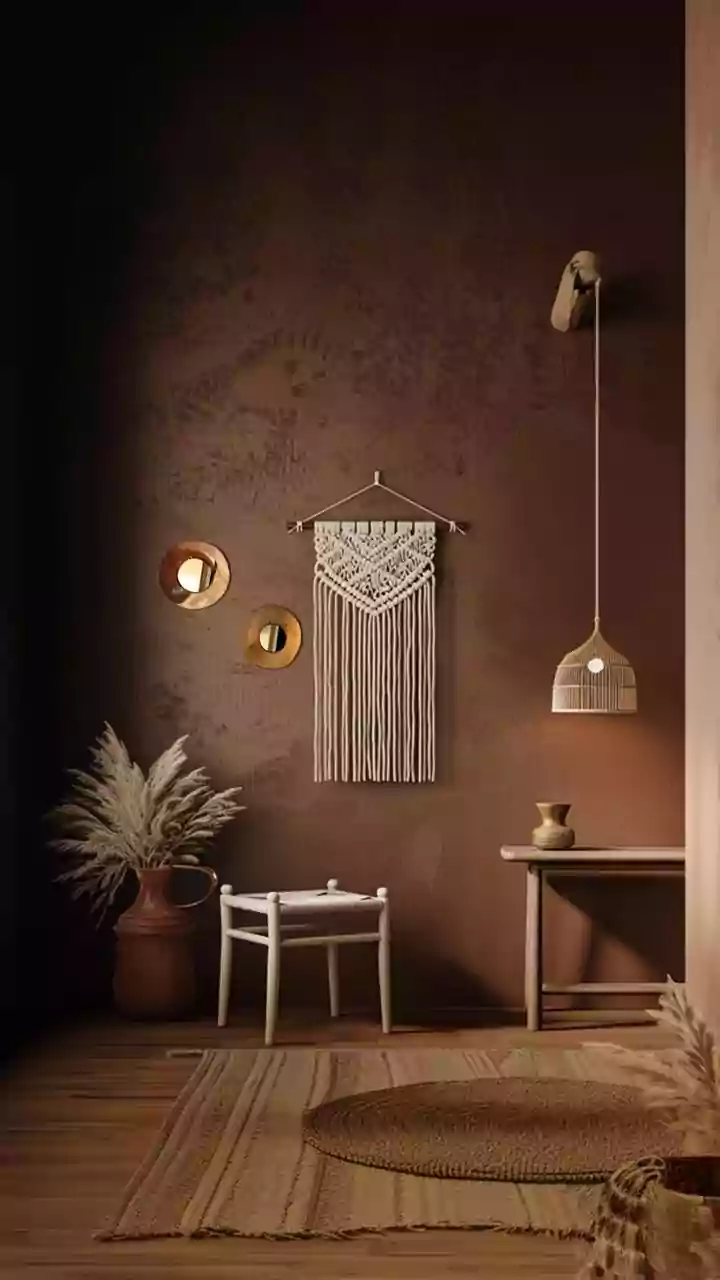
Texture isn’t just about how something feels to the touch; it’s also about how it interacts with light. Different sheens—from matte to high-gloss—can dramatically alter the mood and perceived depth of a space. Matte finishes, like those found on chalky paint or unpolished wood, absorb light and create a soft, calming effect. They feel quiet and understated. In contrast, shiny surfaces—such as a lacquered tray, a polished chrome lamp, or a glass tabletop—reflect light, making the space feel brighter and more energetic. A truly luxurious layout uses a mix of sheens to guide the eye and add sparkle. A small, high-gloss object on a matte surface, for instance, becomes an instant focal point. This play of light and shadow is a subtle but powerful tool for making a flat feel more expansive and alive.
Finishing Touches and Ornate Details
The “ornate” quality mentioned in the headline comes from the final, carefully chosen details. These are the small moments of texture that complete the story. Think of the ridged surface of a ceramic vase, the worn leather spines of old books on a shelf, the cool brass of a cabinet pull, or even the intricate weave of a piece of textile art on the wall. These smaller elements provide opportunities for more unique and decorative textures that might be overwhelming in a larger format. A single, heavily embroidered pillow or a small, ornate metallic sculpture can add a dose of opulence that elevates the entire room. It’s in these finishing touches that a space transitions from simply being decorated to being thoughtfully curated.