
The Rise of the Greige Empire
Let’s be clear: the obsession with grey wasn’t a mistake. For much of the 2010s, it was the height of sophistication. Propelled by the modern farmhouse craze on HGTV and the rise of minimalist Instagram feeds, grey became the ultimate neutral. It felt
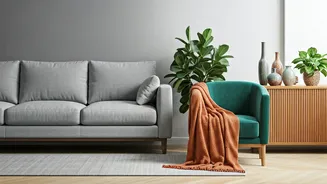
clean, modern, and blessedly inoffensive. In a post-recession world, it was a safe bet—a crisp, photogenic backdrop that made small spaces feel larger and promised a clutter-free life. Whether it was a cool-toned “Agreeable Gray” on the walls or sleek, grey-washed laminate flooring, the look was synonymous with adulting for an entire generation. It was the color of a freshly flipped house, a blank canvas that signaled stability and good taste.
Why the Vibe Is Shifting
So, what changed? We did. After years spent indoors, the collective desire for homes that feel not just clean, but also warm, comforting, and personal has skyrocketed. The very qualities that made grey feel safe and neutral can now read as cold, corporate, and impersonal. A home shouldn’t feel like a waiting room or a spec house; it should feel like a refuge. The pendulum is swinging away from stark minimalism and toward what some call “dopamine decor”—interiors filled with color, texture, and objects that bring genuine joy. We’re craving authenticity and personality, and a one-note color scheme just doesn’t deliver the cozy, lived-in vibe we need now.
Phase 1: Introduce Warmer Neutrals
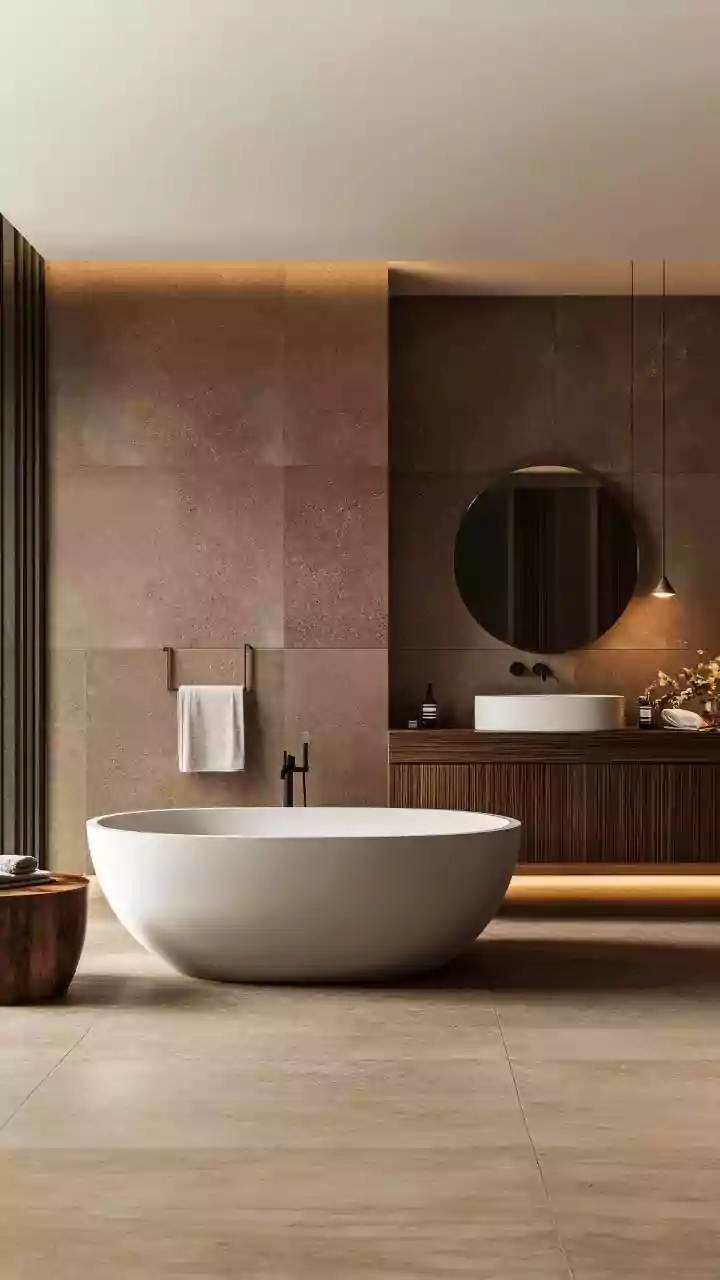
An intervention doesn’t mean you have to gut your entire house. The easiest first step is to start layering in warmer tones to counteract the cool grey. You don't have to repaint everything overnight. Think about adding elements in shades of beige, cream, sand, or mushroom. A large, plush beige area rug can completely transform a room with grey floors. Swap out cool grey throw pillows for ones in warmer taupe or camel. If you are ready for a bigger change, consider a new paint color. Look for “greige” (a grey-beige hybrid) or warm off-whites to instantly make a space feel more inviting without losing its neutral foundation.
Phase 2: Inject (Some) Color
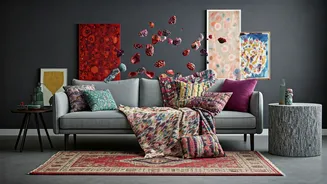
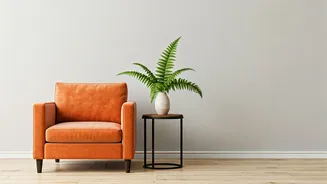
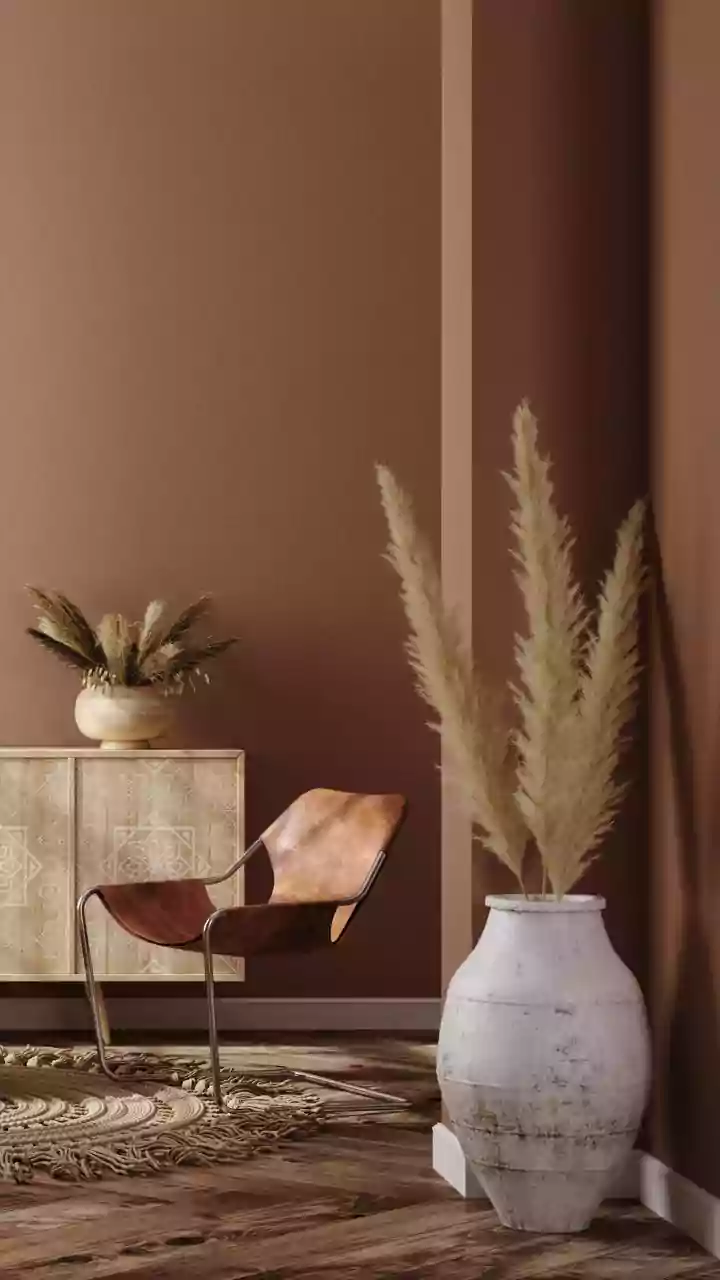
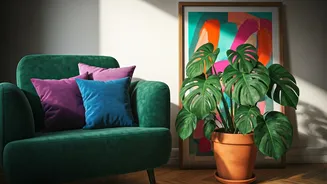
The antidote to a monotonous grey palette is, unsurprisingly, color. This doesn't mean you need to go full maximalist and paint your walls neon. Start small. A single accent wall in a rich, earthy tone like terracotta, olive green, or deep navy can add incredible depth. If painting feels too permanent, bring in color with accessories. A vibrant piece of art, a set of jewel-toned velvet curtains, or even a colorful new KitchenAid mixer on the counter can break up the grey and give the eye a delightful place to land. The goal is to add points of interest and personality that make the space feel uniquely yours.
Phase 3: Layer on the Texture
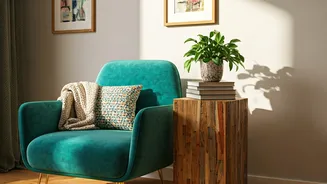
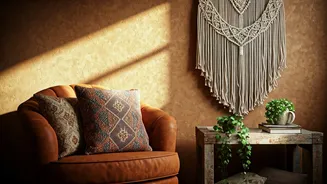
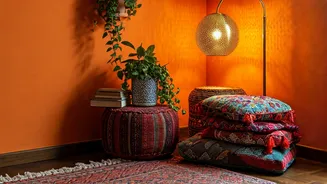
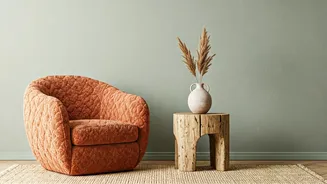
One of the biggest critiques of the millennial grey aesthetic is that it can feel flat and one-dimensional. The solution is texture, texture, texture. Think about how things feel, not just how they look. Introduce a variety of materials to create tactile and visual interest. Drape a chunky knit blanket over your grey sofa. Add a rattan accent chair or a woven jute pouf. Mix materials like leather, boucle, linen, and wood. These natural and varied surfaces catch the light in different ways, adding warmth and complexity that prevents the grey from feeling sterile. It’s the secret weapon for making any room feel instantly cozier and more thoughtfully designed.
Phase 4: Get Your Lighting Right
Finally, don’t underestimate the power of lighting. Many homes are outfitted with cool, blue-toned LED bulbs that can make a grey room feel like a science lab. This is an easy and inexpensive fix. Swap your bulbs for ones with a warmer temperature (look for anything in the 2700K to 3000K range). This simple change will cast a softer, more golden glow that takes the harsh edge off cool-toned paints and fabrics. Beyond bulbs, ensure you have layered lighting—a combination of overhead fixtures, floor lamps, and table lamps—to create a warm, adjustable ambiance that can transition from bright and functional during the day to soft and relaxing at night.